Choosing alu windows and doors is not simply a matter of appearance. Each opening type affects daylight, ventilation, access, and the building’s overall feel. Slim aluminum frames can create broad glass areas, but the right configuration depends on how a room is used. A kitchen window above a counter has different needs from a wide patio entrance. Small details matter.
Architect Ludwig Mies van der Rohe’s famous principle, “Less is more,” offers a useful lens for this topic. It is not a technical rule for window selection. Rather, it points to the appeal of clean lines and restrained framing, qualities often associated with aluminum systems. Still, minimal looks should not outweigh practical checks. Consider opening space, frame finish, glazing, hardware, and installation quality before choosing.
This guide introduces common types of alu windows and doors, including casement, sliding, tilt-and-turn, fixed, and folding designs. You will see where each option can work well and what trade-offs deserve attention. Sliding units, for example, save swing space, while casement designs can open widely for ventilation. There is no universal winner. A product may look ideal in a showroom yet feel awkward beside a narrow walkway. That is an easy detail to miss. Compare real room dimensions, local weather needs, and maintenance expectations, then confirm specifications with a qualified supplier or installer.
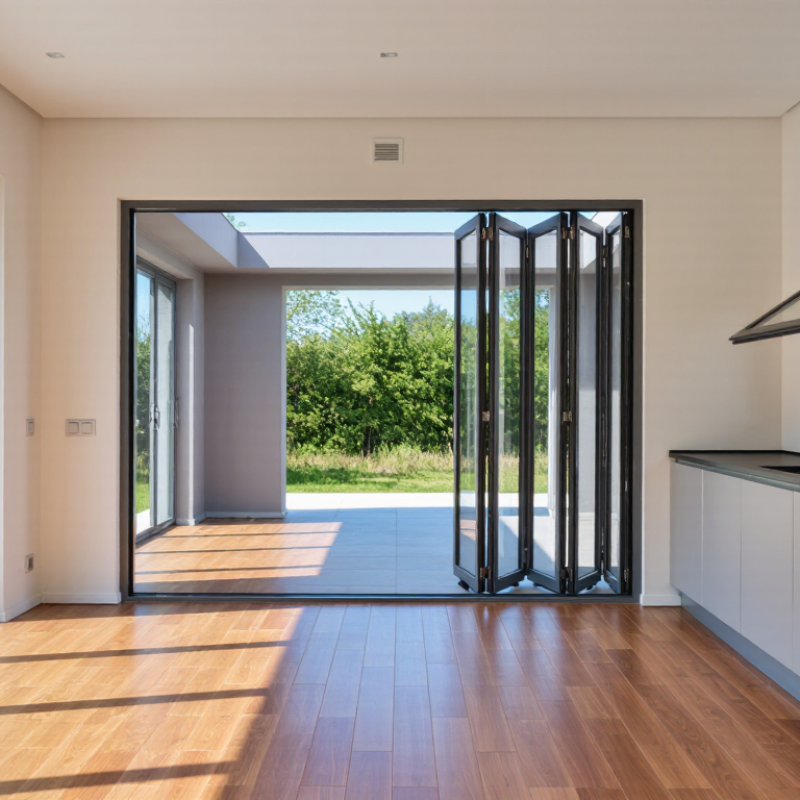
Aluminum windows come in several practical categories, each suited to different openings. Casement windows hinge at the side and open outward, giving rooms a clear view and useful ventilation. Awning windows hinge at the top, so they can let in air during light rain. Sliding windows move along tracks and need no outward clearance, though their tracks require regular cleaning. Fixed windows do not open. They work well where daylight matters more than ventilation. Tilt-and-turn designs offer two opening positions, but their hardware needs careful adjustment.
Aluminum doors follow similar distinctions. Sliding doors are useful for patios and narrow rooms because their panels do not swing across the floor. Hinged doors provide a familiar, straightforward entry. Bi-fold doors stack to one side, creating a broad opening, but they need enough space and sturdy hardware. Measure the opening carefully. A small measurement error can affect how panels meet and seal.
Performance depends on more than the category. Thermal breaks help limit heat transfer through the frame, while suitable glazing can improve comfort and reduce outside noise. Check drainage paths, locking points, and installation details before choosing. Fit matters. A large glass door may look appealing, yet its weight and exposure to wind can make operation harder than expected. The best option depends on the room, climate, and how often the opening will be used. That judgment is not always obvious from a product diagram.
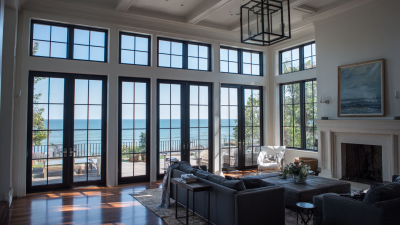
Aluminum windows come in several opening styles, each suited to a different room and everyday use. Fixed windows do not open, but they bring in daylight and can frame a clear view. Casement windows swing outward on hinges, while awning windows hinge at the top and open outward from the bottom. Both can catch a breeze, though exposed locations may make outward-opening sashes less convenient. Sliding windows move horizontally and need no swing space. Tilt-turn styles offer two opening positions, but their hardware and operation can feel unfamiliar at first.
Opening style matters, but it does not determine energy performance by itself. The U.S. Department of Energy’s Energy Saver guidance estimates that heat gain and heat loss through windows account for 25%–30% of residential heating and cooling energy use. Glazing, frame design, air sealing, and installation also affect results. It is tempting to rank one style as best, but the right choice depends on the room, climate, and how often people will open it. That part is easy to overlook.
Tips: Measure the clear space around each opening. For a narrow kitchen, a sliding sash may avoid hitting a tap or counter. For a bedroom, check that the chosen style is easy to reach and clean. Compare product ratings, too; a good opening mechanism cannot make up for poor installation.
Aluminum doors come in several forms, and the right type depends on how people use the space.
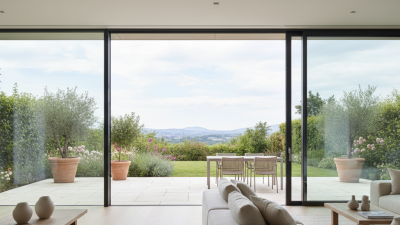
Sliding doors work well for patios and balconies because their panels move along a track instead of swinging into a room. They can create a broad glass opening, though the track needs regular cleaning to keep grit from affecting movement.
Hinged doors suit entrances and rooms where a clear, familiar opening is useful. They may swing inward or outward, depending on the layout and available clearance.
Simple, but not always space-saving.
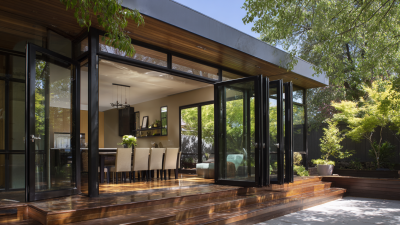
For wider openings, bi-fold doors stack panels to one side and can connect indoor and outdoor areas. Their many hinges and moving parts make installation accuracy important.
Pivot doors rotate on hardware near the top and bottom, creating a striking entrance, but their size and weight call for careful planning.
In shops and offices, aluminum-framed glass doors offer visibility and frequent-use durability; suitable safety glazing and secure hardware should match the project.
For homes, check thermal breaks, weather seals, and glazing specifications, especially in exposed locations.
A door may look right in a showroom yet feel different on a windy, rainy site. Measurements, drainage, and local installation conditions deserve attention before choosing a style.
What Are the Top Types of Alu Windows and Doors?
Thermal-Break and Non-Thermal Aluminum Frame Systems
Thermal-break and non-thermal frames are two common aluminum systems. A thermal-break frame contains an insulating strip, often made from polyamide, between its inner and outer aluminum sections. This barrier slows heat transfer through the frame. On a cold morning, it can also reduce the chance of condensation forming along the indoor frame edge. It helps, but it is not a complete insulation solution.
Non-thermal frames have no insulating barrier, so heat moves through the metal more easily. They can suit mild climates, interior partitions, or spaces where thermal performance is less important. For exterior windows in homes with hot summers or cold winters, a thermal-break system is generally worth considering. Still, the glass, weather seals, and installation details affect the finished result. A good frame cannot compensate for poor fitting.
Tips: Compare the whole window or door, not just the frame. Check glazing specifications, seals, and drainage details, and ask how the system performs in your local climate. Thermal breaks add complexity and cost; they are not automatically the right choice for every opening.
| Frame system | Typical construction | Thermal behavior | Common configurations | Typical uses and considerations |
|---|---|---|---|---|
| Thermally broken aluminum | Separate interior and exterior aluminum sections joined by a low-conductivity insulating barrier, commonly a polyamide strip. | The barrier reduces heat transfer through the frame compared with a continuous aluminum profile. Overall performance also depends on glazing, seals, frame geometry, and installation. | Casement, awning, tilt-and-turn, sliding, lift-and-slide, and fixed windows; hinged and sliding doors. | Often selected for heated or air-conditioned spaces where improved insulation and reduced interior-frame condensation risk are priorities. |
| Non-thermally broken aluminum | A continuous aluminum profile connects the exterior and interior parts of the frame without an insulating thermal barrier. | Aluminum conducts heat readily, so the frame generally provides less resistance to heat flow than a comparable thermally broken frame. Surface condensation may be more likely in cold conditions. | Fixed, sliding, and hinged windows; storefront-style glazing and some interior partitions. | Commonly considered for interior applications, mild climates, or projects where frame insulation is not a primary requirement. Check local energy and building-code requirements. |
| Thermally broken sliding system | Sliding sashes run on tracks; the frame and sash profiles incorporate insulating barriers. Some designs use multiple seals and brush or gasket systems. | The thermal barrier limits conduction through the aluminum, while air and water performance depends on the system’s seals, drainage, and installation. | Two-panel or multi-panel sliding windows, patio doors, and lift-and-slide doors. | Useful where a wide opening and space-saving operation are desired. Compare tested performance for the specific panel size and configuration. |
| Thermally broken casement or tilt-and-turn system | Hinged sash profiles include an insulating barrier and compression seals that engage when the sash closes. | The insulating frame barrier and perimeter seals can help limit heat transfer and air leakage when the unit is correctly specified and installed. | Side-hung casement, top-hung awning, and tilt-and-turn windows; hinged balcony and entry doors. | A practical choice for controlled ventilation and tight closing. Hardware, opening direction, and cleaning access should be considered during selection. |
| Non-thermally broken sliding or storefront system | Aluminum rails or framing members form a continuous metal path between the exterior and interior faces. | The frame itself offers limited resistance to conductive heat flow. The complete assembly’s performance varies with glass, seals, dimensions, and installation details. | Interior partitions, sheltered openings, and some storefront or sliding applications. | Can suit applications with modest thermal requirements. Confirm suitability for the climate, occupancy, and applicable energy code before specifying. |
Note: A frame type alone does not determine whole-window or whole-door performance. Compare tested product ratings for the complete assembly, including glazing, seals, size, and installation conditions.
Aluminum window performance depends on more than frame material. A casement sash presses against its seals when closed, which can help limit drafts in windy locations. Sliding windows are easy to operate and need no outward clearance, but their meeting rails and tracks may allow more air leakage if poorly adjusted. Keep the track clean; grit can interfere with a tight closure.
Small detail, real effect.
Tilt-turn windows offer two opening positions: a narrow top vent and a wider inward swing. This helps with controlled ventilation and cleaning, though the hardware adds cost and needs correct installation. Fixed windows usually provide the strongest airtightness because they do not open. They are less useful where fresh air is needed.
Thermal performance also depends on insulated glass, frame depth, and a continuous thermal break; aluminum alone does not guarantee a warm interior surface.
For doors, sliding systems suit patios where swing space is limited, while hinged doors often seal more firmly around the perimeter. A wide bi-fold opening can connect a room to a deck, but multiple panels and joints create more places for seals to wear.
On a rainy day, inspect the sill and drainage path, not just the glass.
Specifications matter, but installation quality matters too. Even a well-rated unit can disappoint if the frame is out of square.