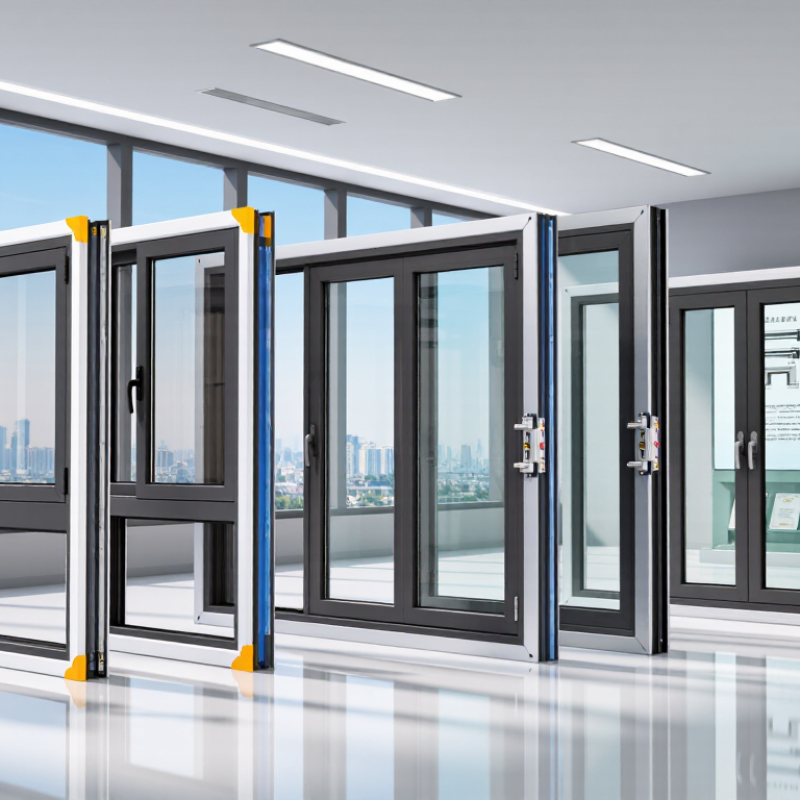
Choosing China’s top fire resistant windows suppliers takes more than comparing prices or polished product photos. Buyers should examine tested performance, frame and glazing specifications, production consistency, and the documentation available for each model. A window that looks substantial in a showroom may not perform as expected when its full assembly is exposed to heat.
Fire-protection engineer James A. Milke has long contributed to research and education in fire protection engineering. Rather than present an unverified sentence as his exact words, this introduction paraphrases a practical principle reflected in the field: “Fire performance depends on the complete assembly, not one impressive component.” That distinction matters. Glass, frame, seals, hardware, and installation details all influence how a unit performs.
This guide explores suppliers in China and the questions worth asking before requesting a quotation. Look for clearly identified test reports, traceable product specifications, and answers about customization and quality control. Ask which exact window configuration the evidence covers; small changes can matter. Supplier claims are useful starting points, not proof on their own. And honestly, comparing manufacturers can feel tedious. Still, a careful review helps buyers separate persuasive marketing from verifiable product information—and make a more informed shortlist of fire resistant windows suppliers.
Fire-resistant windows are tested assemblies designed to slow flames, smoke, and heat for a defined period. They are not simply ordinary glass made thicker. Depending on the tested design, glazing may use multiple layers, heat-reactive interlayers, or wired glass. Under fire exposure, some interlayers expand and form an opaque insulating barrier. Frames, beads, seals, and fixings matter as much as the pane. A small flaw matters. If a component differs from the tested configuration, performance may change.
Ratings apply to complete window assemblies, not glass alone. Some systems help stop flames while allowing significant heat through; others are designed to limit heat transfer too. Intumescent seals can swell when heated, helping close gaps around the frame. Installation details count. In practice, site conditions can be messy, so installers need to follow the tested specifications closely. Before choosing a unit, check its documented rating, intended use, and compatibility with the wall assembly. A label alone cannot show whether the finished installation will perform as expected.
Common fire-window rating durations used for tested window assemblies
Fire-resistant windows are tested as complete assemblies, including the glass, frame, seals, and installation system. During a fire, specialized glass can limit heat transfer, while intumescent seals expand to reduce the passage of flames and hot gases. The durations shown are commonly used fire-window rating periods in U.S. building-code frameworks; the required rating depends on the wall assembly, building type, and local regulations.
Reference framework: common fire-window rating periods reflected in IBC and NFPA fire-protection classifications. Actual performance must be verified through an approved test certification.
China Top Fire Resistant Windows Suppliers?
Key Fire-Resistance Ratings and Certification Standards in China
When evaluating fire-resistant window suppliers in China, begin with tested performance, not catalog claims. GB/T 16809 provides requirements for fire windows, while GB/T 9978 supports fire-resistance testing methods. GB 50016 also guides fire separation design in buildings. These standards help engineers assess whether a window suits a stairwell, corridor, façade, or equipment room.
Fire performance is usually measured by time and criteria. Integrity, marked E, shows whether flames and hot gases pass through the window. Insulation, marked I, limits heat transfer to the protected side. Some projects also consider radiation control, marked W. A 60-minute rating may appear as EI60, but the exact classification depends on the tested construction. Glass, frame, seals, hardware, and fixing method must match the tested assembly. Labels can mislead.
Reliable suppliers should provide an official test report, product specification, installation instructions, and traceable batch information. Ask whether the report covers the exact size, glass layers, frame material, and opening direction. Certification requirements can vary by product category and project location. China Compulsory Certification is not automatically required for every fire-resistant window, so the applicable scope must be verified. An accredited testing laboratory or conformity-assessment body should confirm the documents. In practice, installation quality often decides performance. Even a well-tested window can fail when gaps, anchors, or fire-rated sealants are changed on site. Some supplier documents remain incomplete, and buyers should treat that as a warning.
| Evaluation Dimension | Relevant Chinese Standard or Rating | Verified Technical Meaning | Typical Evidence to Request | Supplier-Selection Consideration |
|---|---|---|---|---|
| Product Standard | GB 16809-2008, Fire Windows | The principal product standard used in China for the construction, classification, inspection, and performance requirements of fire windows. | A current type-test report identifying the exact window system, frame, glazing, hardware, dimensions, and fire-resistance classification. | The offered configuration should match the tested configuration; substituting glass, profiles, seals, or hardware may invalidate the reported rating. |
| Fire-Resistance Test Basis | GB/T 9978.1-2008, Fire-resistance Tests—Elements of Building Construction—Part 1: General Requirements | Provides general principles for evaluating building elements exposed to standard fire conditions, including the test environment and performance observations. | Test laboratory name, test date, furnace conditions, specimen description, test duration, and failure observations. | A laboratory report should clearly identify the applicable Chinese test method rather than relying only on an overseas or marketing certificate. |
| Class A Fire Window | Class A under GB 16809-2008 | Designed to maintain both fire integrity and thermal insulation for the declared test period. | The report should state the Class A rating and the tested duration, such as A0.50, A1.00, A1.50, A2.00, or another approved duration. | Select the duration required by the project fire-compartment design; a higher numerical duration is not automatically acceptable unless the complete system is tested and approved. |
| Class C Fire Window | Class C under GB 16809-2008 | Designed to maintain fire integrity for the declared test period, without the same insulation requirement as Class A. | The type-test report should state the Class C rating, test duration, maximum tested dimensions, and the exact glazing and frame construction. | Use only where the approved building design permits an integrity-only fire window; it should not be presented as equivalent to a Class A product. |
| Building-Code Compliance | GB 55037-2022, General Code for Fire Protection of Buildings and Civil Engineering | A mandatory general code establishing fire-safety principles for building design, fire compartments, fire separation, escape, and related systems. | Project-specific compliance statement prepared by the designer, together with the window test report and installation details. | The required rating depends on the building use, location, fire compartment, wall or curtain-wall construction, and approved design—not solely on the window supplier's catalogue. |
| Design Application Code | GB 50016-2014, with the 2018 revision, Code for Fire Protection Design of Buildings and Structures | Provides detailed fire-protection design provisions, including fire separation, openings, exterior walls, and building-use requirements. | Approved drawings, fire-compartment schedule, opening details, and the required fire-resistance duration for each window location. | Confirm the applicable edition and local authority interpretation before final procurement, particularly for high-rise and special-use buildings. |
| Window Type | Fixed or openable fire-window configuration | Fixed and openable designs have different mechanisms, seals, hardware, and closing behavior; their tested performance is not automatically interchangeable. | Drawings showing opening direction, operating hardware, automatic-closing equipment where applicable, smoke seals, and installation interfaces. | Do not convert a tested fixed window into an operable unit unless the modified assembly has supporting test evidence. |
| Glass and Frame Assembly | System-level assessment under the applicable fire-window test standard | Fire performance applies to the complete tested assembly, including fire-rated glazing, frame profiles, glazing beads, intumescent materials, gaskets, fasteners, and hardware. | Material list, section drawings, glass thickness, interlayer details, seal specifications, and approved fabrication instructions. | Avoid purchasing glass and frames separately unless the combined assembly is covered by the same valid test evidence. |
| Maximum Tested Size | Limits stated in the individual test report | Fire resistance is demonstrated only for the tested or permitted size range, aspect ratio, mullion arrangement, and installation condition. | Test specimen dimensions, maximum approved width and height, number of panels, mullion details, and allowable tolerances. | A rating for a small specimen should not be extrapolated to a larger window without documented engineering or test justification accepted by the project authority. |
| External Window Performance | GB/T 7106-2019, Graduations and Test Methods of Air Permeability, Watertightness, Wind Load Resistance Performance for Building External Windows and Doors | Covers air permeability, watertightness, and wind-load resistance for external windows and doors; these properties are separate from fire resistance. | Performance grades or test results for the project size, pressure condition, drainage design, and installation method. | A product can pass fire testing yet require separate verification for weather, wind, thermal, acoustic, and operational performance. |
| Installation and Site Acceptance | Project specifications, approved construction drawings, and applicable Chinese fire-protection requirements | The fire rating depends on correct anchoring, perimeter sealing, wall interface, joint treatment, tolerances, and protection against unauthorized field modification. | Installation method statement, installer qualification records, delivery inspection, photographs, concealed-work records, and site acceptance documents. | Include installation responsibility and inspection criteria in the purchase contract; factory performance alone does not guarantee site performance. |
| Certification and Documentation Review | Applicable Chinese product-certification, type-testing, and construction-acceptance requirements | The required documents may vary according to product category, project type, local authority, and procurement specification. | Chinese test report, product technical file, factory quality records, conformity declaration where applicable, traceability records, and installation instructions. | Check document validity, issuing laboratory, report scope, tested model, manufacturing site, and consistency between the report and delivered product. |

China Top Fire-Resistant Windows Suppliers?
Fire-resistant windows are built from tested combinations, not glass alone. Common types include wired glass, ceramic glass, and multilayer fire-rated glazing. Ceramic glass handles intense heat and limits cracking. Intumescent glazing expands when exposed to fire, forming an insulating barrier. Some systems combine several layers for better integrity and temperature control.
Frames matter just as much. Steel frames offer strong fire performance and dimensional stability. Stainless steel can improve corrosion resistance in humid buildings. Specially treated timber frames may support fire-rated designs, while aluminum frames usually need tested insulation and protective materials. The complete window assembly must be tested together, including glass, seals, hardware, and frame. A strong-looking product can still fail if these parts are mismatched. Ratings also vary by exposure time and test standard. This detail is easy to overlook.
Tips: Ask suppliers for current fire-test reports, installation instructions, and performance ratings. Check whether the report covers the exact size, frame, glass, and hardware you plan to use. Inspect seals carefully; small gaps can weaken the whole system. Compare technical evidence, not attractive samples. Local building requirements should guide the final choice. Supplier claims alone are not enough. Specifications can be confusing. An independent review may prevent an expensive mistake.
Choosing a fire-resistant window supplier in China requires more than comparing factory prices. Begin with the complete tested assembly. Ask for reports covering the exact frame, glazing, hardware, dimensions, and fire rating. Do not accept a report for a similar model. Testing must match the project’s destination market and building requirements. Standards differ. Confirm the laboratory’s accreditation, report validity, and permitted product variations. An honest supplier explains limits.
Next, examine manufacturing control rather than polished brochures. Request a video audit or an in-person visit when practical. Inspect glass labeling, steel or aluminum profiles, intumescent seals, corner joints, and hardware storage. Ask how each batch is traced from incoming materials to final inspection. Photographs help, but they cannot replace records. Small details fail. Check whether workers follow documented procedures, calibrated equipment, and nonconformance handling. A supplier should explain what happens when a sample fails.
Evaluate engineering support before signing a purchase order. Reliable suppliers review wall interfaces, opening sizes, drainage, fixing points, and installation tolerances. Request shop drawings and installation guidance early. Fire performance can be lost through poor site installation. Ask for references from comparable projects, not only export volume. Call those clients. Review warranty terms, replacement procedures, lead times, and spare hardware availability. I would also order a sample and inspect it personally. That step feels slow. It often exposes gaps. A low quote may hide untested substitutions or weak site support.
China’s leading fire-resistant window suppliers increasingly combine tested glass, reinforced frames, and controlled assembly. According to Grand View Research, the global fire-resistant glass market was valued at about USD 5.7 billion in 2023. Demand is rising in high-rise housing, hospitals, transport facilities, and industrial buildings.
Strong Chinese suppliers usually offer 30-, 60-, or 90-minute fire-rated window systems. Their capabilities may include laminated ceramic glass, insulated units, steel or thermally improved aluminum frames, smoke seals, and automatic closing devices. The key evidence is third-party testing against recognized standards, not a product brochure. Reports should identify the complete window assembly, including glass, frame, hardware, and installation method. The catalog is not the test.
Procurement teams should request test reports, factory quality records, traceability documents, and production samples. ISO 9001 certification can support process reliability, but it does not prove fire performance. Suppliers serving overseas projects should also explain differences between EN, ASTM, and local testing requirements. In practice, factory audits often reveal small weaknesses, such as inconsistent sealant depth or poorly protected hardware. These details matter. I would not treat a polished certificate as complete evidence without checking its scope, expiry date, and tested dimensions. Supplier selection should balance verified performance, customization, lead time, and installation support.