In today's world, safety is paramount, especially regarding fire prevention in buildings. Fire resistant windows play a crucial role in safeguarding properties and lives. According to the National Fire Protection Association (NFPA), over 350,000 structure fires occur annually in the U.S., highlighting the urgent need for robust fire safety measures.
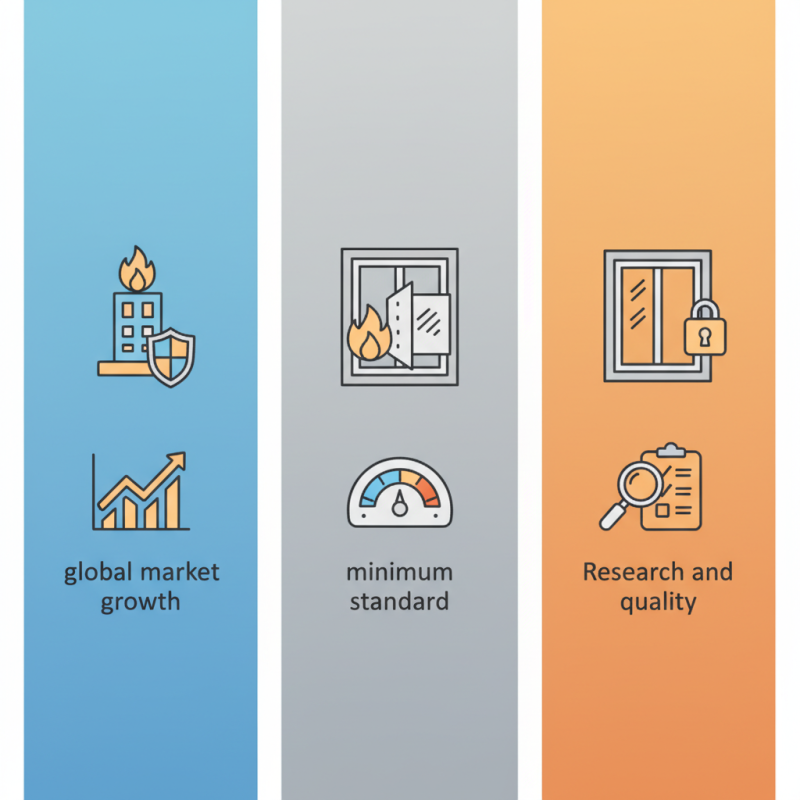
Fire resistant windows are engineered to withstand high temperatures and prevent fire spread. A report by MarketsandMarkets indicates that the global fire resistant glass market is expected to reach $5.31 billion by 2026. This growth signifies an increasing recognition of the importance of fire safety features in construction. However, not all fire resistant windows offer the same level of protection. Some may only meet minimum safety standards, leaving room for improvement and concern.
Choosing the right fire resistant windows is essential for effective protection. Many manufacturers claim to provide high-performance products, but verification is crucial. Building owners must conduct thorough research. The need for reliability and adherence to safety standards cannot be overstated. By investing in quality fire resistant windows, individuals can enhance safety while also recognizing the potential shortcomings of cheaper alternatives.
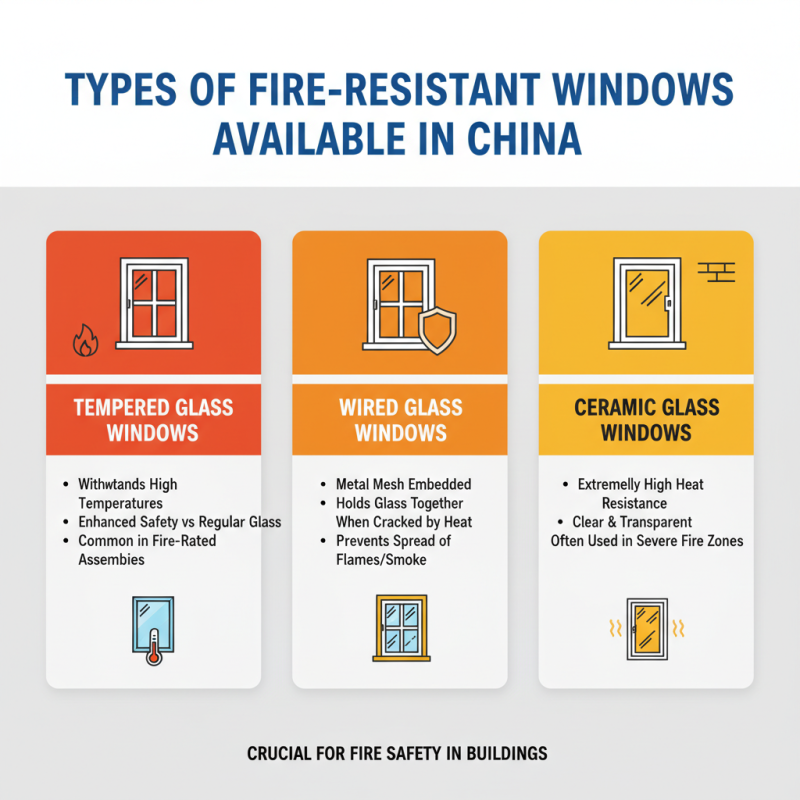
When it comes to fire-resistant windows, various types are available in China. These windows play a crucial role in ensuring safety during a fire. Different materials are used to enhance their fire resistance. For instance, some windows are made with tempered glass. This type can withstand high temperatures and provides better safety than regular glass.
Another option is insulated fire-resistant glass. It has a layer of insulating material that prevents heat transfer. This feature helps keep smoke and flames from spreading quickly. Some installations also incorporate fire-rated frames, which provide additional safety. These frames help maintain the integrity of the entire window system during a fire.
Choosing the right fire-resistant window is essential. Not all products are equal in performance. Some might not meet local safety regulations, which is a concern. It's advisable to consult with professionals. They can provide insights based on experience and expertise. Investing in quality fire-resistant windows can prove vital for protection and safety. However, understanding the specifications and requirements is necessary for effective fire safety.

When it comes to fire safety in buildings, fire-resistant windows play a crucial role. These windows are engineered to withstand extreme temperatures, helping to slow the spread of flames. According to a report by the National Fire Protection Association (NFPA), structured fire resistance can reduce fire damage by up to 70%. This statistic highlights the importance of choosing the right materials for windows in fire-prone areas.
Key features of fire-resistant windows include multi-layered glass. This design ensures that even in high heat, the glass remains intact longer than standard windows. Moreover, frame materials like steel or composite materials contribute to overall fire resistance. A study from the American Society for Testing and Materials (ASTM) indicates that windows designed with proper ventilation can further enhance safety by reducing smoke build-up.
However, not all installations are perfect. Improper sealing can compromise the ability of fire-resistant windows. Regular maintenance is essential. Without it, windows may not perform as intended during a fire event. Fire-resistant windows should be inspected periodically to guarantee their integrity. This attention to detail can make a significant difference in enhancing safety for occupants.
| Feature | Description | Fire Rating | Material | Energy Efficiency |
|---|---|---|---|---|
| Fire-Resistant Glass | Specially coated glass that can withstand high temperatures. | Up to 60 minutes | Tempered Glass | Low-E Coating |
| Frame Material | Robust frames designed to withstand fire exposure. | Up to 120 minutes | Steel or Aluminum | Yes |
| Sealing System | Fire-resistant seals to prevent smoke and heat transfer. | N/A | EPDM Rubber | Minimal Air Leakage |
| Installation | Professional installation required for maximum safety. | N/A | N/A | Enhances Performance |
| Warranty | Manufacturer warranty on fire resistance and materials. | Up to 10 years | N/A | N/A |
When considering fire-resistant windows, certification and standards play a vital role. They ensure that windows meet specific safety criteria. In an emergency, reliable materials can provide critical time for escape. Compliance with recognized standards can significantly improve safety.
Certified fire-resistant windows undergo rigorous testing. These tests evaluate their ability to withstand high temperatures. Proper certification reflects the product’s ability to perform effectively. However, not all manufacturers adhere to these safety standards consistently. Some may cut corners during production, leading to inferior quality.
Tips: Always check for certification labels before purchase. Look for details on testing outcomes. Ask for documentation from manufacturers to understand their compliance. Buyers should not hesitate to inquire about the specific testing methods used. Understanding these factors is essential for ensuring ultimate protection and safety.
When installing fire-resistant windows, paying close attention to the specific installation process is crucial. Proper sealing around the windows helps prevent smoke and flames from infiltrating the building. Employing fire-rated caulks and adhesives can enhance this protective barrier. However, improper installation may lead to gaps that compromise safety.
Consider the framing system used in the window installation. The material and insulation properties significantly impact fire resistance. Steel frames, for example, offer superior strength and heat resistance compared to wooden ones. Yet, they require precise fitting to avoid thermal bridging, a common issue that could undermine the window's effectiveness.
It's also important to evaluate the local building codes and regulations concerning fire safety. These codes can vary widely, affecting the types of materials and installation methods allowed. Ignoring them may lead to costly renovations later. Regularly reviewing and updating fire safety measures can help maintain optimal performance, ensuring safety throughout the building's life.
In today's rapidly evolving construction landscape, fire-resistant windows play a crucial role in enhancing safety. Many brands in China's fire window market offer innovative solutions, but the choices can be overwhelming. Comparative analysis reveals varying levels of performance in fire resistance, thermal insulation, and structural integrity. Some products excel in durability but may fall short in aesthetics; balancing function and design can be challenging.
Assessing these leading brands helps to identify key features. Certain models boast high fire ratings and rigorous testing standards. However, discrepancies in installation guidelines can lead to less-than-optimal performance. It is essential to examine customer reviews and expert opinions. This fosters a deeper understanding of product reliability in real-world scenarios. In some cases, consumers may overlook critical installation factors, which directly affects safety.
Moreover, the market is flooded with claims and certifications. It’s vital to scrutinize these assertions, as not all certifications are created equal. The nuances of material science play an essential role in fire resistance. Fire-rated glass versus other materials can have significant implications. Such complexities require thoughtful consideration and research. Engaging with professionals in the field often unveils insights that consumer reviews may not capture.