Top 10 Aluminum Curtain Wall Benefits for Global Buyers?
Aluminum curtain walls are becoming increasingly popular in modern architecture. They offer a range of benefits for global buyers seeking durability and aesthetic appeal. According to John Smith, an industry expert with over twenty years of experience, “The aluminum curtain wall is a game changer for buildings, blending elegance with functionality.” This statement reflects the growing recognition of these innovative structures in sustainable design.
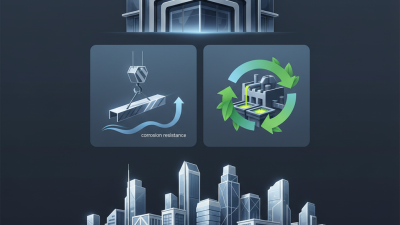
The benefits of aluminum curtain walls are numerous. First, they provide excellent thermal insulation. This can lead to significant energy savings. Additionally, aluminum is resistant to corrosion, ensuring longevity. The lightweight nature of these walls makes them easier to install, reducing labor costs. Furthermore, their ability to be customized means they can suit various architectural styles.
However, there are considerations. Not all aluminum is created equal. Buyers should focus on quality and performance standards. Choosing the right manufacturer can be challenging. Buyers need to navigate through options. This highlights the importance of research. Understanding the market is crucial to making informed decisions in this evolving industry.
Benefits of Aluminum Curtain Walls for Modern Architecture
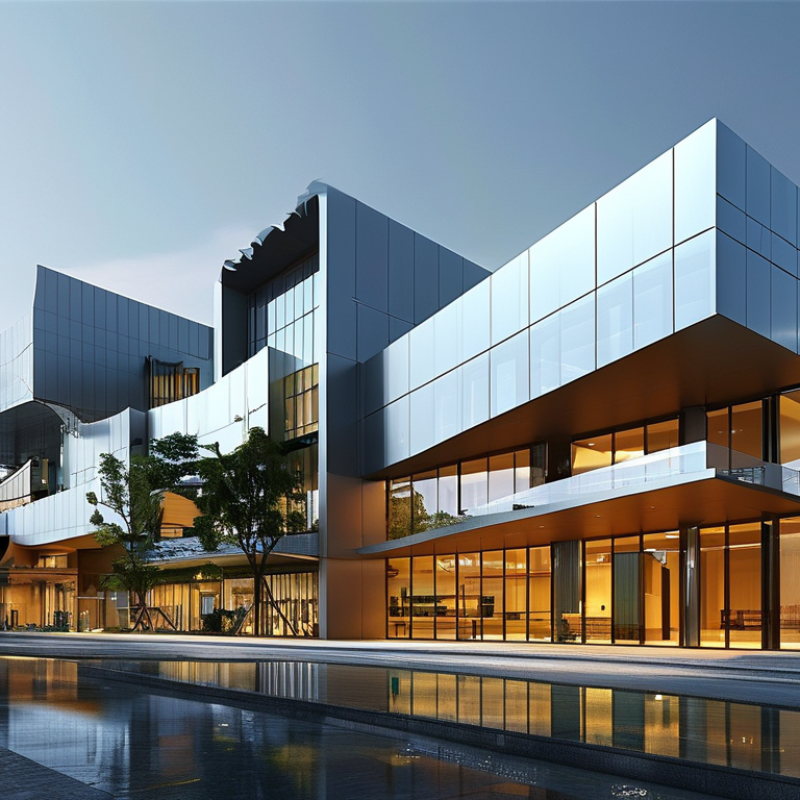
Aluminum curtain walls have increasingly gained popularity in modern architecture. These systems offer significant advantages for both aesthetics and performance. For instance, a report from the Aluminum Association highlights that aluminum's strength-to-weight ratio makes it ideal for high-rise buildings. It allows for larger glass panels that enhance natural light without compromising safety.
The sustainability aspect of aluminum curtain walls cannot be overlooked. According to a study by the World Aluminium Organization, aluminum is 100% recyclable. This feature greatly contributes to green building certifications like LEED. That said, there are challenges in the recycling process, particularly regarding energy requirements. It's worth noting that while aluminum is a sustainable choice, its production is energy-intensive.
Furthermore, the thermal performance of these curtain walls can impact energy efficiency in buildings. The National Renewable Energy Laboratory indicates that proper insulation and glazing can reduce heating and cooling costs by up to 30%. However, some designs may underperform if not carefully executed, leading to potential energy loss. Continuous innovation in materials and installation techniques is essential to maximize their benefits while addressing these issues.
Enhanced Energy Efficiency through Aluminum Curtain Walls
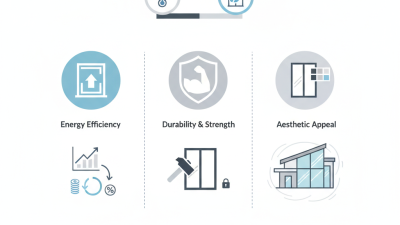
Aluminum curtain walls are increasingly recognized for their potential to enhance energy efficiency in buildings. These systems consist of lightweight aluminum frames and glass, creating a barrier that helps regulate internal temperatures. One key benefit is their ability to reduce reliance on heating and cooling systems. This not only lowers energy costs but also minimizes environmental impacts. Well-designed aluminum curtain walls can significantly cut energy loss, making them ideal for both residential and commercial structures.
The insulation properties of aluminum curtain walls can lead to remarkable energy savings. By reflecting heat in summer and retaining warmth in winter, they create a comfortable indoor climate. A well-constructed wall assembly balances aesthetics and functionality, allowing ample natural light while reducing solar heat gain. However, achieving this balance requires careful design and material selection. Not all installations are equal, and some may fall short of expected energy savings if not properly engineered.
Despite their many advantages, there are challenges to consider. Aluminum is a highly conductive material, which can lead to thermal bridging if not mitigated. Proper detailing and integration with other building elements are crucial. Additionally, maintenance must be factored in, as dirt and grime can hinder performance. Buyers should reflect on these aspects to ensure the long-term benefits of aluminum curtain walls are fully realized.
The Aesthetic Appeal of Aluminum Curtain Walls in Commercial Design
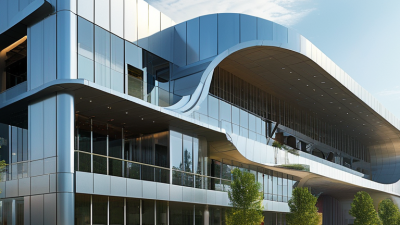
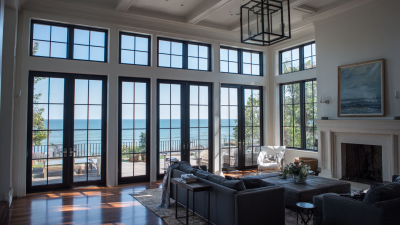
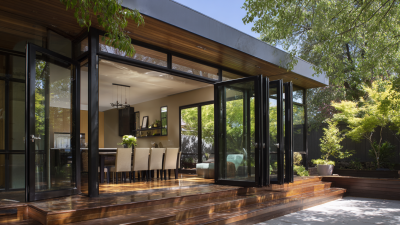
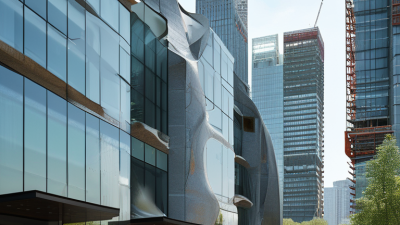
Aluminum curtain walls offer a striking visual impact for commercial spaces. Their sleek lines and modern appearance enhance the building's overall aesthetic. These walls can create a seamless blend between indoor and outdoor environments. The reflective surface allows natural light to fill the space, fostering a warm and inviting atmosphere. This aesthetic factor can significantly influence a first-time visitor's impression of a business.
When designing with aluminum curtain walls, consider the local surroundings. The color and finish should complement nearby structures. Don't overlook the importance of proportion and scale. Large glass expanses may overpower smaller buildings, while intricate designs can distract from the overall look. Balancing these elements is crucial for achieving a harmonious result.
Pay attention to maintenance needs as well. While aluminum is durable, dirt and grime can accumulate on the surface. Regular cleaning helps maintain its aesthetic appeal. Think about future flexibility too. Trends change, and what looks great today may not appeal in a few years. Design should allow for adaptability without losing its visual integrity.
Durability and Low Maintenance of Aluminum Curtain Wall Systems
Aluminum curtain wall systems are known for their durability and low maintenance requirements. These features make them an attractive choice for builders and architects. One significant advantage of aluminum is its resistance to corrosion. This means that buildings remain visually appealing over the years, even in harsh weather conditions. Additionally, aluminum does not warp or crack, ensuring the structural integrity of the wall remains intact.
Maintenance is often a concern for property owners. With aluminum curtain walls, the upkeep is minimal. Regular cleaning with mild soap and water is usually enough to maintain their appearance. Unlike other materials, there is no need for repainting or sealing. This not only saves time but also reduces long-term costs for building maintenance.
Consider this: while aluminum has many benefits, it can be more expensive initially than other materials. Therefore, it's essential to weigh the upfront investment against long-term savings. Think about your building's location and environmental factors that may affect the material's performance. The stronger your knowledge of these aspects, the better you can make an informed decision about your choice of materials.