Top Benefits of Aluminum Curtain Walls for Global Buyers?

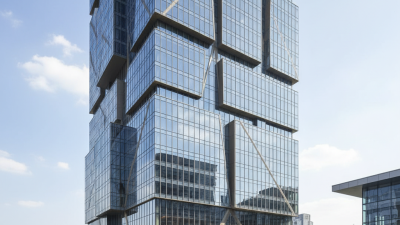
In the contemporary architecture landscape, the aluminum curtain wall serves as a benchmark for aesthetic and functional design. According to industry reports, the global market for aluminum curtain walls is projected to exceed $50 billion by 2025, driven by increasing demand for energy-efficient structures. These systems provide lightweight yet durable solutions, showcasing a blend of modern design and structural integrity.

The benefits are clear. Aluminum curtain walls enhance energy efficiency, offering better insulation and reducing overall energy costs. Studies indicate that buildings equipped with these walls can decrease energy consumption by up to 30%. However, not all installations yield optimal performance. Proper design and installation are crucial for maximizing these benefits. Issues with thermal bridging and condensation might arise, necessitating careful planning to avoid pitfalls.

Moreover, the steel industry often faces criticism for its carbon footprint. In contrast, aluminum represents a more sustainable option when recycled effectively. Yet, the process of recycling aluminum is not without challenges. Buyers should critically evaluate the sustainability of their sources. The aluminum curtain wall is a sophisticated solution, but it requires informed decisions and thoughtful implementation to achieve desired outcomes.
Top Benefits of Aluminum Curtain Walls for Global Buyers?

Key Characteristics of Aluminum Curtain Walls

Aluminum curtain walls offer a range of characteristics that appeal to global buyers. These lightweight structures provide excellent thermal insulation. This ensures energy efficiency in varied climates. Their resistance to corrosion adds to their longevity, making them ideal for diverse environments. The versatility in design allows for creative facades, attracting architects and builders alike.

Another key feature is ease of installation. Aluminum curtain walls are prefabricated in factories, which reduces on-site construction time. This can lead to cost savings and faster project completion. However, the installation process might require skilled labor to ensure proper alignment and sealing. A poorly installed curtain wall could lead to water leaks or thermal inefficiencies.

Furthermore, the aesthetic appeal of aluminum enhances the overall appearance of buildings. It reflects light uniquely, creating dynamic visuals throughout the day. Yet, this shiny surface may require regular cleaning to maintain its luster. Buyers must consider maintenance needs when making decisions. Understanding these characteristics helps guide global buyers in choosing the right solutions for their construction projects.

Top Benefits of Aluminum Curtain Walls for Global Buyers

Benefit Description Key Characteristics
Lightweight Aluminum is significantly lighter than other materials, allowing for easier installation and reduced structural load. High strength-to-weight ratio
Durability Aluminum resists corrosion and can withstand various environmental conditions, ensuring longevity. Resistance to weathering and UV rays
Energy Efficiency Aluminum curtain walls can integrate thermal breaks and insulated glazing to improve energy performance. Thermal insulation options
Aesthetic Flexibility Available in various finishes, textures, and colors, allowing for custom design options. Design versatility
Sustainability Aluminum is recyclable, contributing to sustainable building practices and reducing waste. Recyclability

Durability and Maintenance Advantages of Aluminum Curtain Walls

Aluminum curtain walls offer impressive durability and low maintenance, making them a popular choice for buildings. Their resilience stems from the material's resistance to rust and corrosion. This is crucial in various climates, ensuring they retain their structural integrity over time. With an aluminum curtain wall, flexibility in design is also possible. These walls can seamlessly blend aesthetic appeal with practicality.

Maintenance is generally minimal. Regular cleaning and inspections are all that's needed. However, neglecting these tasks can lead to larger issues. It’s essential to maintain a routine schedule to ensure long-term performance.

Tips: Choose a mild detergent for cleaning surfaces. This avoids damage while preserving aesthetics. Incorporating a visual inspection every six months helps detect any potential issues before they escalate.

It's noteworthy that while aluminum is durable, it can dent or scratch. These imperfections may affect appearance but do not typically weaken the structure. Always consider the environmental impact when selecting materials, as aluminum can be recycled. This emphasizes the importance of sustainability in modern architecture.

Top Benefits of Aluminum Curtain Walls for Global Buyers

Energy Efficiency Benefits for Global Buyers

Aluminum curtain walls are increasingly recognized for their energy efficiency, benefiting global buyers. These systems can significantly reduce energy costs. According to a report by the American Institute of Architects, buildings with high-performance glazing can decrease energy use by 30%. This means lower utility bills and a smaller carbon footprint.

Moreover, aluminum's thermal performance stands out. The use of thermal breaks in aluminum curtain walls prevents heat transfer. This design minimizes heating and cooling demands. A study from the National Renewable Energy Laboratory found that optimized building envelopes can save up to 20% in energy consumption. Such findings highlight the value of investing in these structures for long-term savings.

Yet, challenges remain. Not all aluminum curtain walls are created equal. Variability in insulation quality can lead to decreased efficacy. Buyers must be informed and critical. Not every manufacturer may meet energy performance standards. Gathering data from reliable sources is essential for making informed decisions in this evolving market.

Aesthetic Flexibility and Design Options with Aluminum Curtain Walls

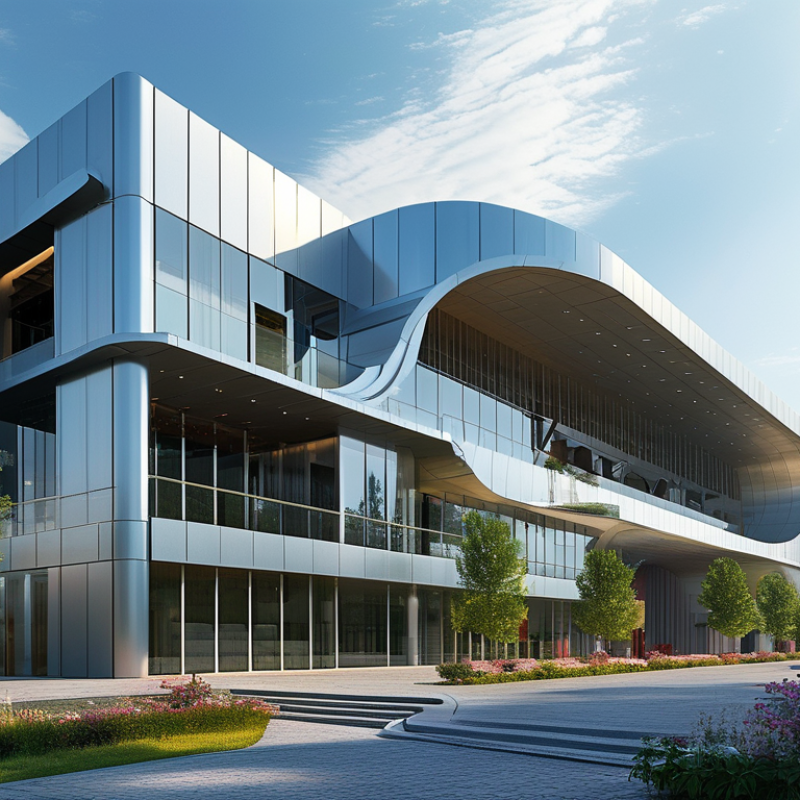
Aluminum curtain walls offer unmatched aesthetic flexibility for modern architecture. They can transform a building's exterior, creating sleek and stylish façades. The lightweight nature of aluminum allows for innovative designs, enabling extensive glass surfaces that flood interiors with natural light. This design choice can lead to energy savings and a more inviting atmosphere.

Consider varying the panel finishes. Reflective, matte, or textured surfaces provide numerous options to enhance the visual appeal. Think about integrating colors that complement the surroundings. Bold hues can make a statement, while softer shades can blend in seamlessly.

Tips: When planning a project, assess the local climate and environment. This will guide panel selection for durability and visual impact. Additionally, consult with design professionals who specialize in curtain wall technology. Their expertise can illuminate potential challenges early in the process and help refine your creative vision. Remember, your curtain wall is not just a functional element but a canvas for artistic expression. Choose wisely.

Cost-Effectiveness and Economic Considerations in Selection

When selecting aluminum curtain walls, cost-effectiveness and economic considerations are paramount. According to a report by the Global Market Insights, the aluminum curtain wall market is expected to reach $20 billion by 2026, driven largely by its durability and low maintenance costs. Unlike other materials, aluminum offers substantial energy savings, significantly reducing heating and cooling expenses. Studies suggest that energy-efficient buildings with aluminum curtain walls can save up to 30% on energy bills annually.

One major factor to consider is the initial investment. While aluminum curtain walls may have a higher upfront cost compared to alternatives, their long-term benefits often offset this initial expenditure. A research summary from the American Institute of Architects found that construction costs for aluminum structures are about 5-10% higher, but these structures maintain their value better over time. Additionally, the return on investment is enhanced through reduced operational costs.

However, the decision-making process isn't always straightforward. Factors like local regulations, climate impacts, and architectural requirements can complicate the selection. It's essential for buyers to evaluate these economic aspects closely while keeping an eye on evolving technologies in aluminum finishes and insulation.