10 Tips for Buying Aluminium Sliding Doors
Aluminium sliding doors can turn a dim room into a bright, open space, but the widest glass panel is not automatically the best choice. Buyers should compare frame strength, glazing, weather seals, drainage, hardware, and installation quality. Small details matter. A stiff handle or uneven track can make daily use frustrating.
The U.S. Department of Energy reports that windows, doors, and skylights account for about 25%–30% of residential heating and cooling energy use. That figure makes glass selection and air leakage worth checking, not just appearance. Building-science engineer Joseph Lstiburek is known for the warning, “Windows are holes in walls.” For a sliding door, the practical lesson is clear: the frame, seals, glass, and surrounding installation must work as one system. Look for independently verified performance ratings, such as those provided through the National Fenestration Rating Council, and ask what each rating means for your climate.
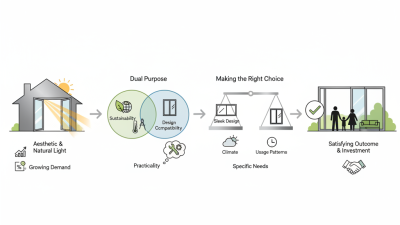
This guide introduces 10 tips for buying aluminium sliding doors, from measuring the opening to reviewing warranties and maintenance needs. Ask how the rollers can be adjusted, where water drains, and whether replacement parts are available. Compare the full installed specification, not a showroom sample alone. A sleek finish can hide weak hardware. And even careful buyers can miss something: installation tolerances are easy to underestimate, so confirm who is responsible for the final measurements and fit.
Understand the Types and Configurations of Aluminium Sliding Doors
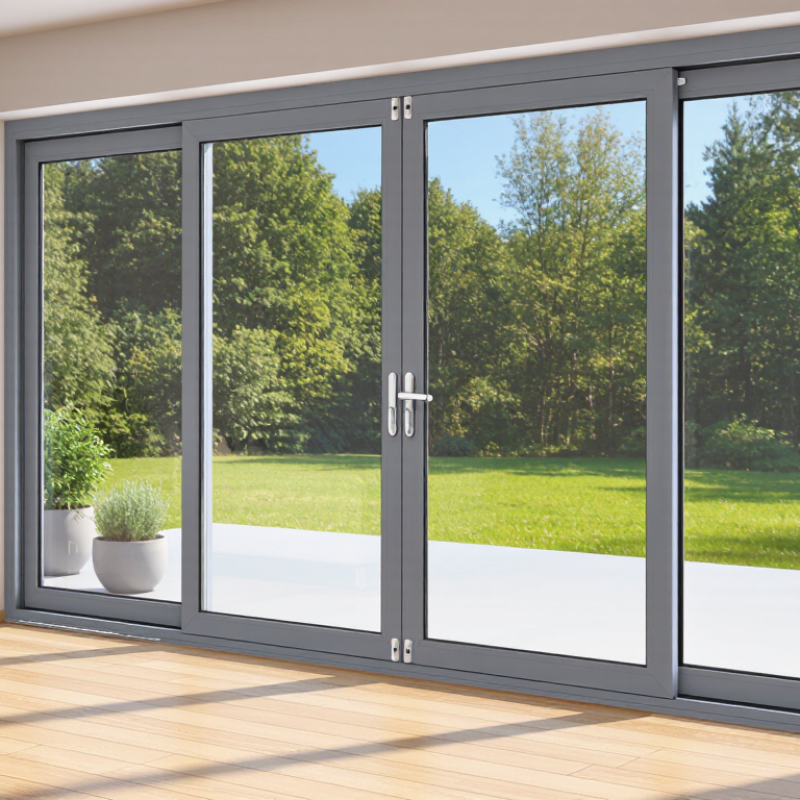
Aluminium sliding doors vary by panel movement, track layout, and how the panels park. A two-panel inline system usually has one fixed panel and one moving panel, making it practical for a modest patio opening. Three-panel, multi-track, or stacking designs can create a wider clear passage, but need more wall space and careful track alignment. Pocket systems slide into a wall cavity; they look minimal, yet installation and future access can be more complicated.
Check the configuration in person. A low threshold may ease wheeling a suitcase outside, while a recessed track can collect grit after a windy day. Lift-and-slide hardware raises the panel slightly before movement, which can help with larger, heavier panels. For aluminium frames, ask whether the profile includes a thermal break. The U.S. Department of Energy’s Energy Saver guidance estimates that windows account for about 25–30% of residential heating and cooling energy use; this is not a sliding-door-specific figure, but it shows why glazing and frame performance matter.
Compare the whole opening, not just the glass. The National Fenestration Rating Council’s ratings provide U-factor and solar heat gain coefficient values, helping buyers compare products under a consistent system. Check the rating for the exact panel configuration, since more glass, frame area, and panel joints can change performance. Small detail. Also test the handle, lock, and rollers; a beautifully wide opening is frustrating if daily operation feels stiff. I would not assume the widest option is best. A smaller, well-aligned door may suit the room better.
Aluminium Sliding Door Configurations: Panel Count
Sliding doors are available in layouts with different numbers of panels. More panels can create a wider opening, but the actual clear opening depends on the configuration and which panels move. Check the layout and opening dimensions before choosing a door.
Measure the Opening and Assess Site Conditions
Before ordering an aluminium sliding door, measure the structural opening at the top, middle, and bottom. Record the smallest width, then repeat at both sides for height. Check both diagonals; a noticeable difference may indicate a racked opening. Measure the finished floor level too, since tile or decking can reduce clearance beneath the track. Small errors matter.
Tip: Use a steel tape and write down each reading. Check whether the walls are plumb and the sill is level, then note trim, skirting, drainage channels, and nearby handles or furniture. Confirm the required installation clearance with the door supplier’s technical specification; do not assume the frame matches the opening exactly. I would recheck these figures before ordering. It is tedious, but guessing is worse.
Assess exposure as well as dimensions. Look for standing water, wind-driven rain, cracked render, and soft timber around the sill. These details affect preparation and sealing. The U.S. Department of Energy’s Energy Saver guidance says windows account for about 25–30% of residential heating and cooling energy use. A sliding door is not identical to a window, but this figure shows why careful fitting and air sealing deserve attention. A slightly uneven opening is easy to overlook on paper. It may not be easy to fix after installation.
Compare Frame Quality, Glazing, and Energy Performance
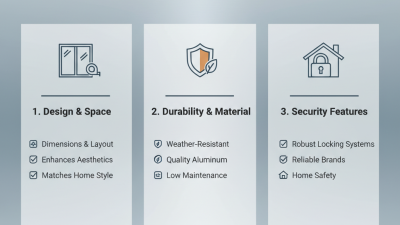
Tip 1: Compare frame construction, not just colour or profile. Ask whether the aluminium includes thermal breaks, which reduce heat transfer through the frame. Inspect corner joints and drainage openings. Rough edges or blocked weep holes may lead to water issues. Ask for frame-depth details and finish-care instructions.
Tip 2: Compare glazing specifications carefully. Double glazing is not automatically the best choice for every home. Check the glass U-factor, which indicates heat loss, and the solar heat gain rating, which helps assess sunlight entering the room. For a west-facing living area, solar control may matter more than it does in a shaded room. Numbers need context: compare products using the same rating system.
Tip 3: Assess the complete door, not the glass alone. Seals, rollers, locks, and installation gaps all affect comfort and performance. When viewing a sample, slide it several times and listen for scraping or rattling. Check whether the handle feels secure. It is easy to fixate on slim frames, but a slightly wider frame may suit the opening better. Even good components can disappoint if measurements or installation are poor. Ask how performance claims apply to the finished door.
Check Security Features, Hardware, and Ease of Operation
A secure aluminium sliding door should resist both forced entry and everyday wear. Check that the lock engages firmly with the frame, rather than catching only at the handle. Look for anti-lift blocks or another feature that prevents the panel being lifted from its track. The meeting point between the panels should close with little gap. Ask how the frame is anchored, too; strong hardware cannot compensate for loose installation.
Tip: Test the door in person if possible. Slide it slowly, then at a normal pace. It should move without scraping, rattling, or needing a hard shove. Notice the handle’s grip and whether the lock is easy to operate from both sides. Rollers should feel steady, not gritty. A heavier door is not automatically safer or better. I once overlooked a slight track drag; it became more noticeable with regular use.
Ask what adjustments the rollers and locks may need over time, and whether replacement parts are available. A clean track helps, but constant sticking may point to alignment or installation issues. Check that the chosen hardware suits the panel’s size and weight. Small details matter. Before ordering, confirm how the door will be secured when closed and how smoothly it operates after installation. Don’t rely on appearance alone.
Review Installation Requirements, Warranty, and Total Cost
Start with the opening, not the catalog. Measure its width and height in several places; older walls are rarely perfectly square. Check whether the frame needs a structural header, a level sill, or extra clearance for trim. Ask who will handle flashing, drainage, and interior repairs if the wall must be opened. Small gaps matter.
Before ordering, confirm the installation method suits your wall type and existing cladding. A site visit can reveal obstacles that measurements alone miss, such as uneven flooring or hidden trim. Get the installer’s scope in writing. Read the warranty for coverage periods, exclusions, and required maintenance. Some terms may distinguish between the door frame, glass, and moving hardware. Keep the paperwork and care instructions. It is easy to focus on appearance and overlook these details.
Compare the total installed cost, not just the door price. Request separate figures for delivery, labor, removal of an old unit, disposal, screens, hardware, and finishing work. Ask whether wall repairs or unexpected leveling are included. If they are not, request a realistic allowance before signing. Quotes can look close until those items appear. I would leave room in the budget for surprises, though choosing that amount is not always straightforward. After installation, check that the panels slide smoothly and the locks engage without force.