Choosing reliable track doors for international projects involves more than comparing factory prices. Buyers must examine construction quality, opening size, load capacity, corrosion protection, safety systems, and after-sales support. This article introduces China’s top 10 track door manufacturers for global buyers, with attention to practical purchasing risks.
Industrial door consultant David Chen explains, “A track door is only as dependable as its track, hardware, and installation.” This principle deserves close attention. A strong steel panel may still fail when rollers bind, tracks twist, or replacement parts become difficult to source. Buyers should request drawings, material specifications, test records, installation instructions, and clear warranty terms. Product photos are useful. They are not enough.
The selected manufacturers are reviewed through a buyer-focused lens. Their factory experience, production capacity, customization ability, export communication, quality controls, and project references all matter. Some suppliers may excel in heavy industrial applications, while others may suit warehouses, logistics centers, workshops, or agricultural buildings. The “best” option depends on the project.
There is no perfect shortlist. Supplier information can change, and published claims require verification. That is worth remembering. Global buyers should confirm certifications for their destination market and ask how local installation will be handled. Delivery time, packaging, spare rollers, track alignment, and technical training can influence long-term performance more than a low initial quotation. This guide aims to make comparison clearer, while leaving room for careful questioning before any purchase decision.
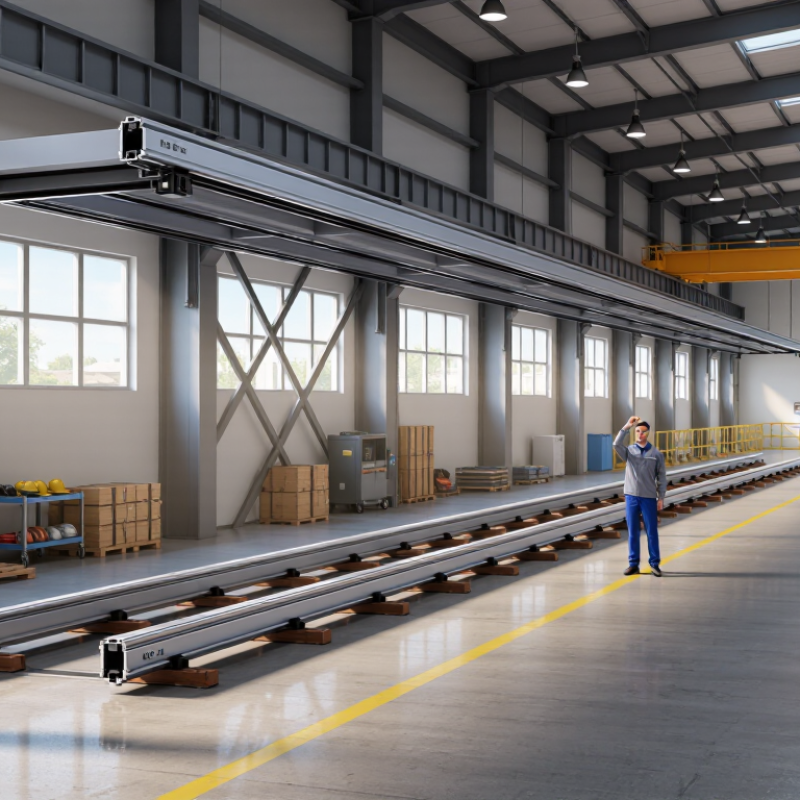
Track doors move along fixed guides, saving valuable floor space. Common designs include sectional overhead doors, sliding doors, and high-speed fabric doors. Sectional models suit warehouses, loading bays, and workshops. Sliding versions work well where ceiling clearance is limited. High-speed doors support frequent vehicle and pedestrian movement.
Selection depends on opening size, cycle frequency, insulation, wind exposure, and maintenance access. In practical warehouse projects, poor track alignment often causes noise, uneven movement, and early roller wear. This detail is easy to overlook.
Buyers should request cycle-test records, material specifications, safety-device information, and installation tolerances. Experience matters because a door can meet a catalogue specification yet perform poorly on site.
Market data shows steady demand, although published figures use different definitions. MarketsandMarkets estimated the industrial doors market at about 5.3 billion US dollars in 2023. It projected approximately 7.2 billion dollars by 2028, representing a 6.3% compound annual growth rate.
Grand View Research also identifies logistics, manufacturing, and commercial construction as important demand areas. These reports cover broader industrial-door categories, not track doors alone. That limitation deserves attention. Regional demand varies with warehouse investment, labor costs, climate, and building standards.
Global buyers should compare total ownership cost, not only the factory quotation. A lower purchase price may hide expensive installation, spare parts, or downtime.

When comparing Chinese track door manufacturers, U-value should be measured under a defined test method. A low number can indicate better insulation, but it may not reflect the installed door. Ask for the panel thickness, core material, gasket design, and test temperature. Check whether the report covers the complete door assembly, not only the panel. On a warehouse project, a small gasket gap can undermine an impressive laboratory result.
Cycle life needs practical evidence. Request test records showing opening speed, door weight, maintenance intervals, and failure points. A reliable factory should explain how rollers, hinges, tracks, and motors were tested. Ask for results under dust, humidity, and repeated loading. Marketing figures are easy to print. Real test conditions matter more. Some suppliers may report a high cycle count without explaining repairs, which deserves careful review.
Production capacity is more than a monthly output number. Examine the factory floor, welding equipment, powder-coating process, inspection points, and available technicians. Confirm whether capacity changes during peak seasons. Review recent delivery records and ask for references from similar projects. I would also order a sample before approving a large batch. That step costs time. It can reveal uneven coating, noisy rollers, or poor sealing that documents miss. No evaluation is perfect, and even a careful audit may overlook weak after-sales support.
China’s top ten track door manufacturers differ in standards, production scale, and export readiness. A useful comparison begins with documented quality systems, not factory photographs. ISO 9001 can indicate controlled processes, while EN 13241, CE requirements, or ASTM references may apply to different markets. Standards vary.
Look for tested door panels, track alignment records, and documented load results. Ask whether testing is conducted internally or by an independent laboratory. Small details matter. A reliable manufacturer should explain wind resistance, cycle life, sealing performance, and emergency operation in clear technical language. vague answers deserve caution.
Scale also changes buyer risk. Larger factories may offer automated cutting, powder coating lines, spare-part storage, and stable monthly capacity. Yet size alone proves little. A large workshop can still provide weak after-sales support. Smaller producers may deliver more flexible designs and closer engineering contact. The better comparison checks export experience, installation guidance, inspection procedures, and response times. Request production photos, sample drawings, inspection reports, and recent project references. Then compare the evidence, not the promises. Even this method has limits, because factory conditions can change after an audit.
When comparing China’s top track door manufacturers, certifications deserve more attention than polished catalogs. EN 13241 is important for industrial, commercial, and garage doors sold into applicable European markets. Buyers should request the Declaration of Performance, test scope, and product identification details. The paperwork must match the exact door model, not a similar-looking sample.
ISO 9001 shows that a factory follows a controlled quality management system. It does not prove that every door performs perfectly. Check production records, inspection points, and corrective-action procedures. CE marking may be required under relevant European rules, but it is not a universal quality award. Ask who assessed conformity and which standards support the claim. Small details matter.
For American projects, ASTM tests should reflect real site demands. Review wind-load results, operating cycles, impact resistance, and safety performance where applicable. A serious manufacturer can explain test methods without hiding behind technical language. Request recent reports from competent laboratories, plus installation instructions and maintenance intervals. I have seen impressive certificates paired with weak after-sales planning. That is a warning, though not always a final judgment. Factory audits, sample inspections, and video checks can reveal inconsistent welding, loose track rollers, or poor packaging. Certification is useful evidence. It is never the whole investigation.
When comparing China’s top 10 track door manufacturers, start with identical specifications. Request the same opening size, panel weight, track length, finish, hardware, and installation method. A low quote may exclude packaging, molds, testing, inland freight, or replacement parts. Ask for a line-item offer with currency, Incoterms, payment stages, and quote validity.
Lead time needs evidence, not confidence. Request a production schedule showing drawing approval, material purchasing, fabrication, inspection, and shipping. For a standard project, compare actual dispatch dates from recent orders. Also check factory capacity during holiday periods. Delays happen. Allow a buffer. It may feel inefficient, but it protects the site schedule.
Warranty language deserves close reading. Confirm coverage for panels, rollers, seals, motors, coating, and workmanship. Ask who pays for parts, freight, and technician visits. A useful warranty should state response times and claim procedures. Examine test reports, installation manuals, quality records, and sample inspections. Total ownership cost includes cleaning, lubrication, alignment, corrosion repair, energy use, and downtime. Request a spare-parts list for five years. I once underestimated service access, and a small track adjustment became an expensive site visit. That mistake changed how I compare suppliers. A cheaper door is not cheaper when replacement rollers wait six weeks. Use a weighted comparison sheet, but review uncertain assumptions with an engineer before signing.