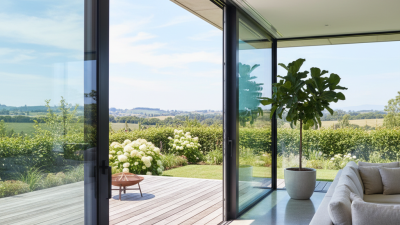
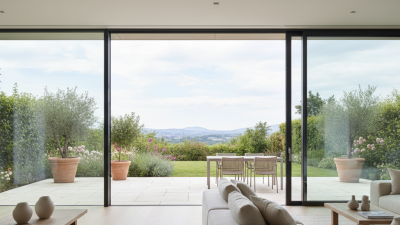
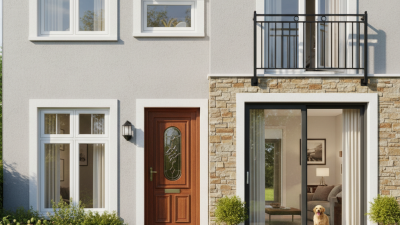
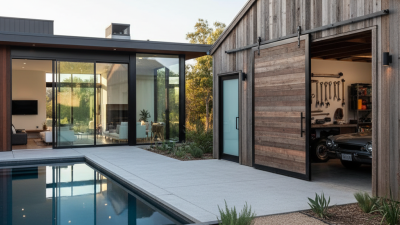
Sliding doors and windows are becoming increasingly popular in modern architecture. They offer a unique blend of style and functionality that can significantly enhance any space. These installations allow abundant natural light to flood into rooms, creating a warm and inviting atmosphere. In addition, they provide easy access to outdoor areas, seamlessly connecting indoor and outdoor living.
However, integrating sliding doors and windows isn't without its challenges. Proper installation is crucial to ensure energy efficiency and security. Even minor misalignments can lead to drafts and other issues. This highlights the need for professional expertise in their installation and maintenance. Choosing high-quality materials is vital, as durability affects performance and longevity.
Moreover, personalization is key when selecting styles and finishes. What works for one space may not suit another. It’s essential to consider the overall design and function of your environment. Sliding doors and windows can enhance aesthetic appeal, yet they require thoughtful planning. Each decision should reflect both your style and practical needs, making this an art and a science.
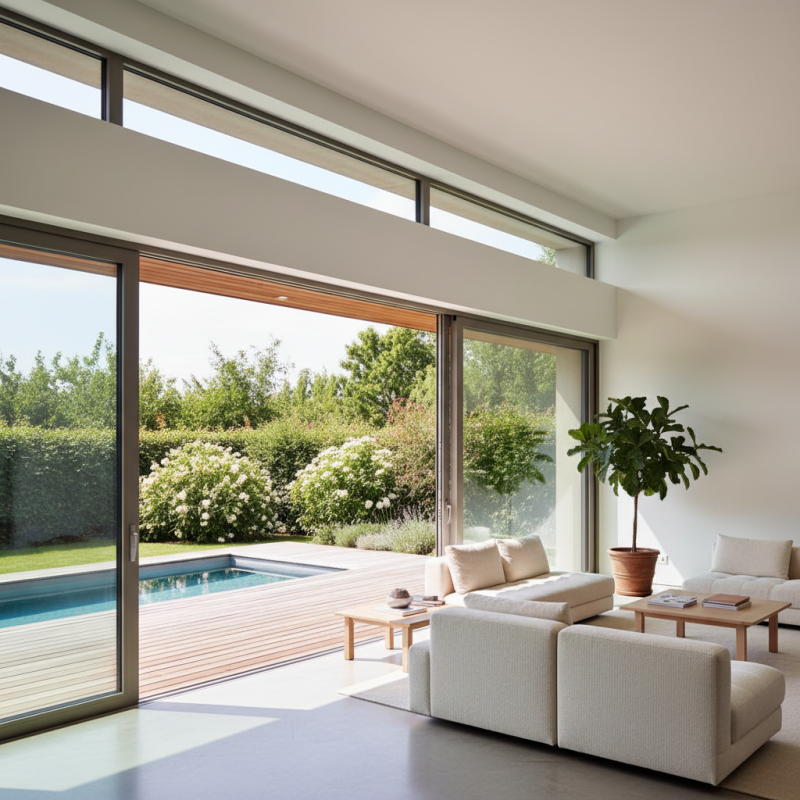
Sliding doors and windows have become popular choices for modern homes. These features not only enhance aesthetics but also improve functionality. According to a report by the National Association of Home Builders, nearly 70% of new homes include sliding doors or sliding windows. Their design allows for easy access to outdoor spaces, making them ideal for patios and balconies.
The mechanics of sliding doors involve tracks that allow seamless movement. This contrasts with traditional hinged doors, which require space to swing open. Sliding windows operate similarly, maximizing natural light and ventilation. A study in the Journal of Architectural Engineering found that sliding windows can increase indoor daylight by up to 30%. However, not all sliding systems are created equal. Poorly installed or low-quality options may lead to issues like drafts or difficulty in sliding. Regular maintenance is crucial for longevity.
Homeowners often focus on the visual appeal of these installations. However, energy efficiency remains a significant concern. Reports indicate that up to 25% of heat loss occurs through windows. Choosing well-insulated sliding systems can mitigate this. Finding a balance between aesthetic value and practical use is essential for homeowners looking to improve their spaces effectively.
Sliding doors and windows are a popular choice in modern architecture. Their mechanism is both simple and effective. These fixtures operate on a track system, allowing one panel to slide past another. This design not only saves space but also reduces the need for door swings that can interrupt the flow of a room.
The tracks are often made from durable materials, ensuring smooth operation. Rollers assist in moving the panels easily. However, wear and tear can affect performance. Regular maintenance is essential to prevent sticking or misalignment. Keeping the tracks clean helps maintain their functionality. Homeowners may overlook this aspect, leading to frustrating experiences.
Energy efficiency is another important factor. Well-designed sliding doors and windows can provide excellent insulation. They can minimize drafts, allowing for consistent indoor temperatures. However, poor installation can negate these benefits. A professional installation is often necessary. Ensuring tight seals and proper alignment can optimize energy conservation.
| Feature | Description | Benefits | Materials Used |
|---|---|---|---|
| Space-saving Design | Sliding doors and windows open horizontally, saving space compared to traditional swinging doors and windows. | Ideal for small areas, maximizing usable space. | Commonly made from glass, aluminum, and vinyl. |
| Natural Light | The large glass panels allow ample natural light into the space, brightening interiors. | Reduces the need for artificial lighting, creating a more pleasant environment. | Typically designed with insulated glass for energy efficiency. |
| Views and Connectivity | Provide unobstructed views of the outdoors and easy access from indoor to outdoor spaces. | Enhances the aesthetic appeal and promotes a lifestyle that connects with nature. | Aluminum frames are often used for durability and style. |
| Security Features | Modern sliding doors and windows come with advanced locking mechanisms for increased security. | Provides peace of mind for homeowners regarding safety and security. | Constructed from break-resistant glass and solid frames. |
| Energy Efficiency | Insulated sliding doors and windows reduce energy loss, maintaining indoor temperatures. | Lower energy bills and improved comfort levels. | Includes Low-E glass options for maximum energy efficiency. |
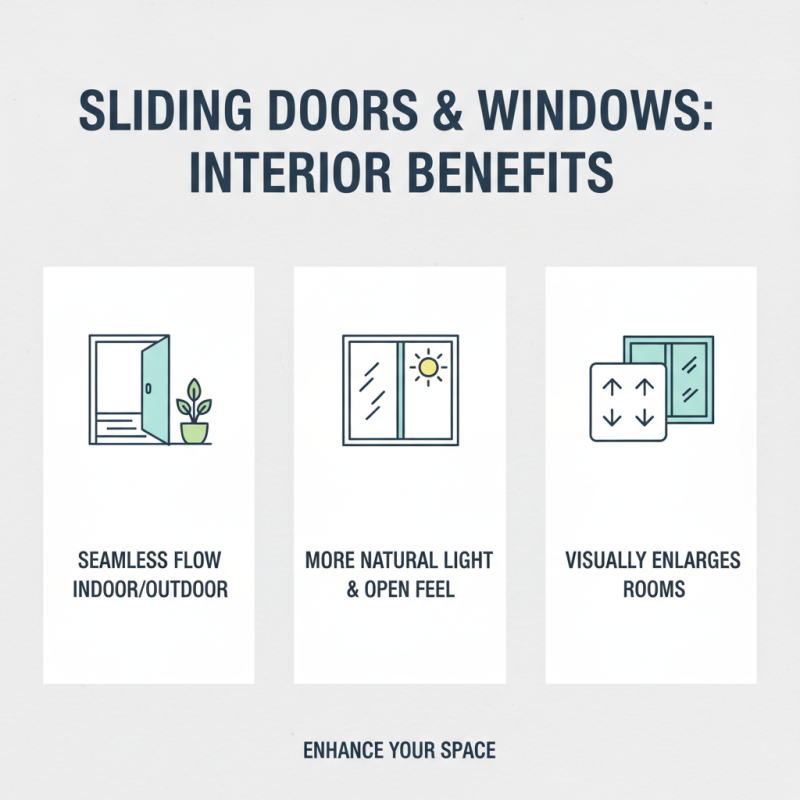
Sliding doors and windows offer unique advantages that enhance interior spaces in various ways. They create a seamless flow between indoor and outdoor areas. As natural light floods the room, the environment feels more open and welcoming. The expansive glass surface can visually enlarge small rooms, making them feel less cramped and more airy. This effect is often underappreciated. People may overlook how light can change a space's mood.
Another benefit is the ease of use. Sliding mechanisms allow for smooth operation, making it simpler to access outdoor spaces or transition within the home. This is especially helpful in tight areas where traditional doors may hinder movement. However, regular maintenance is essential. Dust and debris can obstruct the tracks, causing inconvenience. Homeowners may find it easy to forget this upkeep in busy lifestyles.
Additionally, sliding doors and windows provide flexibility in design. They can complement various decor styles, from modern to rustic. This versatility allows homeowners to express their personal style. Yet, the choice of materials matters. Some options may offer better insulation than others. It’s wise to consider how this affects energy efficiency over time. Balancing aesthetics and practicality can be challenging, but it is crucial for long-term satisfaction.
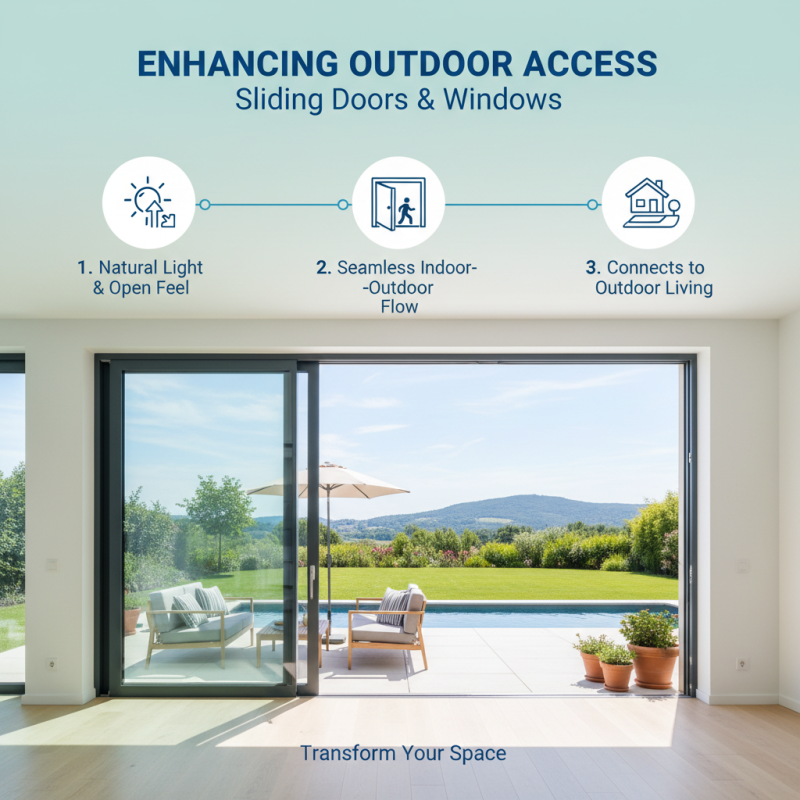
Sliding doors and windows are essential for enhancing outdoor access and creating a seamless connection between your indoor and outdoor spaces. These features invite natural light, making rooms feel larger and more open. Imagine stepping from your living room directly onto your patio, with a clear view of lush gardens or a sparkling pool. This design encourages outdoor living and can transform your daily routine.
While sliding doors offer numerous benefits, they also come with considerations. Installing them requires adequate wall space and can involve a higher initial cost compared to traditional doors. Maintenance might seem easier, but dirt can accumulate in tracks, affecting smooth operation over time. Homeowners should reflect on their long-term needs. Would you use the space more if it was designed for outdoor enjoyment?
Incorporating sliding windows also enhances ventilation and brightness. When open, they allow refreshing breezes while keeping your home secure. Yet, their design may limit privacy if placed in front-facing areas. Balancing accessibility, aesthetics, and functionality is key. Think about the atmosphere you want to create. Sliding doors and windows can redefine your space but require thoughtful planning.
Sliding doors and windows have become essential elements in modern architecture. They provide a seamless indoor-outdoor connection while enhancing natural light. Homeowners increasingly prefer these features, as they create spacious atmospheres and improve energy efficiency. According to a recent market report, the demand for sliding systems in residential designs has grown by 12% over the past three years.
When considering design options and materials, various choices are available. Aluminum and vinyl are popular for their durability and low maintenance. Wood, while aesthetically pleasing, requires more upkeep. Glass options also vary. Tempered or laminated glass adds security and insulation value. A decorative frame can elevate the overall look, making these installations striking additions to any home.
Yet, some challenges exist. Temperature fluctuations can affect sliding mechanisms over time. Homeowners need to ensure proper maintenance for longevity. Additionally, using high-quality seals is crucial to prevent drafts and inefficiencies. Exploring diverse materials and design styles can enhance a space, but careful consideration is needed to avoid potential long-term issues.