Why Is Curtain Wall Construction Essential for Modern Architecture?

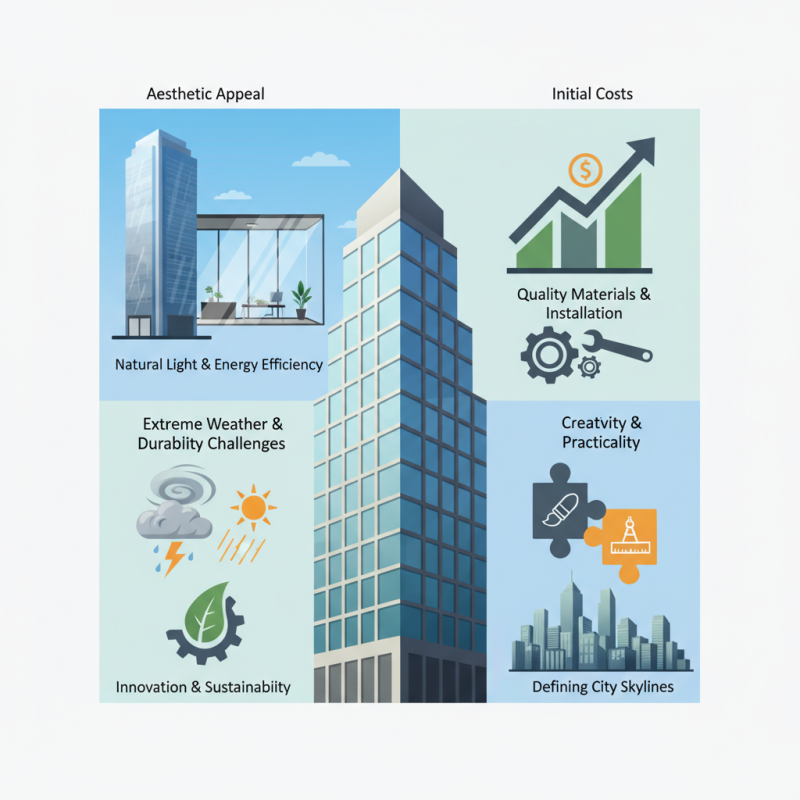
Curtain wall construction plays a pivotal role in modern architecture. This technology provides a unique blend of aesthetic appeal and structural integrity. Notably, architect Sarah Johnson emphasizes this importance: “Curtain wall systems define the skyline of our cities.”

In contemporary designs, curtain wall systems allow for expansive glass facades that enhance natural light. This feature not only elevates the interior environment but also promotes energy efficiency. However, the initial costs can be daunting. Critics often point out the high expenses associated with quality materials and installation.

Moreover, as cities evolve, so do their challenges. Extreme weather conditions can test the durability of curtain wall construction. Architects must prioritize both innovation and sustainability to ensure longevity. Reflecting on these complexities allows us to appreciate the delicate balance between creativity and practicality in modern architecture.
Why Is Curtain Wall Construction Essential for Modern Architecture?

Importance of Curtain Walls in Modern Architectural Design

Why Is Curtain Wall Construction Essential for Modern Architecture?

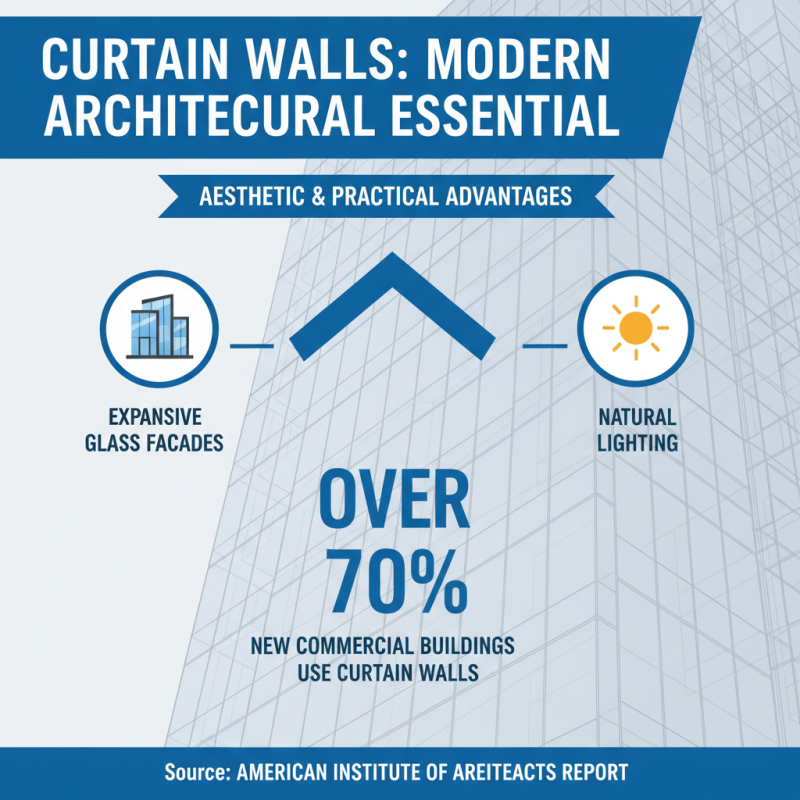
Curtain walls play a crucial role in modern architectural design. They offer not only aesthetic appeal but also practical advantages. According to a report from the American Institute of Architects, over 70% of new commercial buildings utilize curtain walls. This trend underscores their significance in contemporary structures, allowing for expansive glass facades and natural lighting.

Incorporating curtain walls can enhance energy efficiency. A study published by the U.S. Department of Energy indicated that buildings with high-performance curtain walls can reduce energy consumption by up to 30%. This not only cuts operational costs but also contributes to sustainability. However, achieving the desired thermal performance requires careful selection of materials and design strategies.

The integration of curtain walls is not without challenges. Design flaws can lead to moisture retention, which may compromise building integrity. The complexity of installation necessitates skilled labor and precise engineering, which can lead to project delays and increased costs. Architects must balance innovation with practicality to navigate these concerns effectively.
Benefits of Using Curtain Walls in Energy Efficiency and Sustainability

Curtain walls play a pivotal role in modern architecture, particularly regarding energy efficiency and sustainability. According to a report by the U.S. Department of Energy, buildings with high-performance curtain walls can reduce energy costs by up to 40%. This significant saving is mostly attributed to enhanced insulation and the ability to incorporate advanced glazing techniques.

Using curtain walls can also have a positive impact on indoor comfort. Buildings with optimized curtain wall systems can maintain stable indoor temperatures, reducing the demand on heating and cooling systems. A study by the National Institute of Standards and Technology found that incorporating natural light through these walls can improve occupants' mood and productivity.

Tip: Choose glazing options with low solar heat gain to further enhance energy efficiency. Be aware that designs must be tailored to local climates for maximum benefits. Evaluate the building's orientation and potential shading to reduce glare and heat.

Yet, curtain walls are not without challenges. Installation costs can be high, and problems like air leakage can compromise performance if not addressed. A comprehensive analysis of construction methods may lead to safer and more energy-efficient implementations. Regular maintenance is crucial to keep curtain walls functioning effectively over time.

Materials and Technologies in Curtain Wall Construction

Curtain wall construction plays a pivotal role in modern architecture. The choice of materials greatly influences both functionality and aesthetics. Common materials include glass, metal, and composite panels. These materials provide durability while allowing natural light to penetrate the interiors. Advanced glass technologies offer thermal insulation and energy efficiency. However, not all materials are equally effective. Careful consideration is needed, as poorly chosen materials can lead to structural issues.

Innovative technologies have transformed the curtain wall industry. Automated systems now track sunlight and adjust shading devices accordingly. This not only enhances energy savings but also improves occupant comfort. Yet, the reliance on technology can sometimes create challenges. Design complexities may arise, leading to increased construction costs and timelines.

Sustainability is a major concern in curtain wall construction. Many architects are opting for recycled materials to reduce environmental impact. Responsible sourcing of materials is crucial in this context. However, the market lacks a standardized approach to sustainability, making it essential for professionals to thoroughly research and verify claims. Ensuring quality and performance can be a daunting task. Balancing design, cost, and environmental impact remains an ongoing challenge in the industry.

Structural Performance and Safety Considerations of Curtain Walls

Curtain walls play a crucial role in modern architecture, particularly regarding structural performance and safety. These non-structural cladding systems enhance the aesthetic appeal of buildings while providing essential protection. They allow for large expanses of glass, creating a connection between indoor and outdoor environments. However, this beauty must be balanced with adequate safety measures.

When designing curtain walls, engineers should consider materials and structural integrity. The choice of glazing, framing, and attachment means impacts overall stability. Glass units must withstand wind pressures and thermal expansion. Proper installation is vital to prevent water infiltration. The inability to forecast these factors can lead to severe issues, such as leaks or even structural failure.

Tip: Regular maintenance checks can prevent long-term damage. Inspect seals and connections to ensure safety and performance.

Additionally, curtain walls must adhere to local building codes and regulations. This compliance ensures they can handle environmental loads, like earthquakes or heavy winds. Failing to meet these standards can lead to significant liability for architects and builders.

Tip: Work with certified professionals who understand the complexities of curtain wall systems. Their expertise contributes to the reliability of the structure.

Aesthetic Contributions of Curtain Walls to Urban Landscapes

Curtain walls have transformed urban landscapes. Their sleek and modern appearance enhances the aesthetic of cities. A report from The American Institute of Architects states that about 60% of new commercial buildings feature curtain walls. This trend reflects a shift toward transparency and openness in architecture. These walls allow natural light to flood interior spaces, creating inviting environments for both residents and office workers.

However, the implementation of curtain walls is not without challenges. For instance, the complexity of installation can lead to higher costs. A study by the National Institute of Building Sciences reveals that improper installation can result in significant energy loss. This undermines the potential energy efficiency benefits of curtain walls. Buildings must be designed with careful consideration to ensure that the systems perform optimally.

Despite these imperfections, curtain walls continue to shape urban development. Their ability to blend indoor and outdoor environments is a significant advantage. As cities grow, the integration of nature in building design becomes crucial. Projects that incorporate green spaces alongside curtain walls are emerging. These contributions bring life to otherwise stark urban areas, making cities more vibrant and enjoyable.

Why Is Curtain Wall Construction Essential for Modern Architecture?