Unlocking the Future of Sliding Doors System Trends and Innovations by 2025

As the architectural landscape continues to evolve, the sliding doors system stands out as a quintessential element, seamlessly blending practicality with cutting-edge aesthetics. Industry expert, Johnathan Reed, a renowned architect specializing in innovative door systems, once stated, “The sliding doors system is not just a functional feature; it's an essential component of modern design that enhances both space and experience.” With the rapid advancements in technology and design trends, the future of sliding doors systems is poised for significant transformation by 2025.

In this article, we will explore the emerging trends and innovations that are redefining sliding doors systems. From smart technology integration to sustainable materials, the advancements are set to revolutionize how these systems are perceived and utilized in residential and commercial spaces alike. The intricate balance between form and function is at the heart of these innovations, promising not only improved efficiency but also an enhanced user experience. As we unlock the potential of the sliding doors system, it becomes evident that these trends will significantly impact the future of architecture and interior design, making our environments more adaptable and visually appealing.
Unlocking the Future of Sliding Doors System Trends and Innovations by 2025

Emerging Materials Revolutionizing Sliding Door Designs by 2025

The evolution of sliding door systems is being propelled by the emergence of innovative materials that promise to redefine design aesthetics and functional capabilities by 2025. According to a recent industry report from Smithers, the market for sliding doors is anticipated to grow at a CAGR of 5.6% from 2023 to 2028, driven significantly by advancements in material technology. New composites, such as fiberglass reinforced polymers and aluminum alloys, are not just lighter and stronger but also bring a stylish flair to modern architecture.

As design trends shift towards sustainability, materials that boast energy efficiency, such as thermally broken systems and low-E glass, are gaining traction. These materials not only improve thermal performance but also enhance the overall user experience by contributing to a more comfortable indoor environment. One key innovation includes self-cleaning glass which utilizes photocatalytic coatings to break down dirt and organic materials when exposed to sunlight, thereby reducing maintenance efforts.

**Tips for homeowners considering sliding doors:** First, opt for materials that offer maximum durability while aligning with your home's aesthetic. Look for high-performance glass options for better insulation. Second, ensure that the door system incorporates easy-to-operate mechanisms that can withstand heavy usage, particularly for high-traffic areas. Lastly, consult with professionals who can provide insights into the latest trends and technological advancements to help you make informed decisions.

Unlocking the Future of Sliding Doors System Trends and Innovations by 2025 - Emerging Materials Revolutionizing Sliding Door Designs by 2025

Material Type Innovation Feature Durability Rating (Years) Eco-Friendliness Rating (1-10) Cost Efficiency ($/sq ft)
Aluminum Lightweight & Strong 30 7 $15
Fiberglass High Insulation 25 8 $20
Wood Natural Aesthetic 15 6 $35
Composite Weather Resistant 20 9 $25
Glass Ultra-Thin & Strong 40 7 $30

Smart Technology Integration for Enhanced Sliding Door Functionality

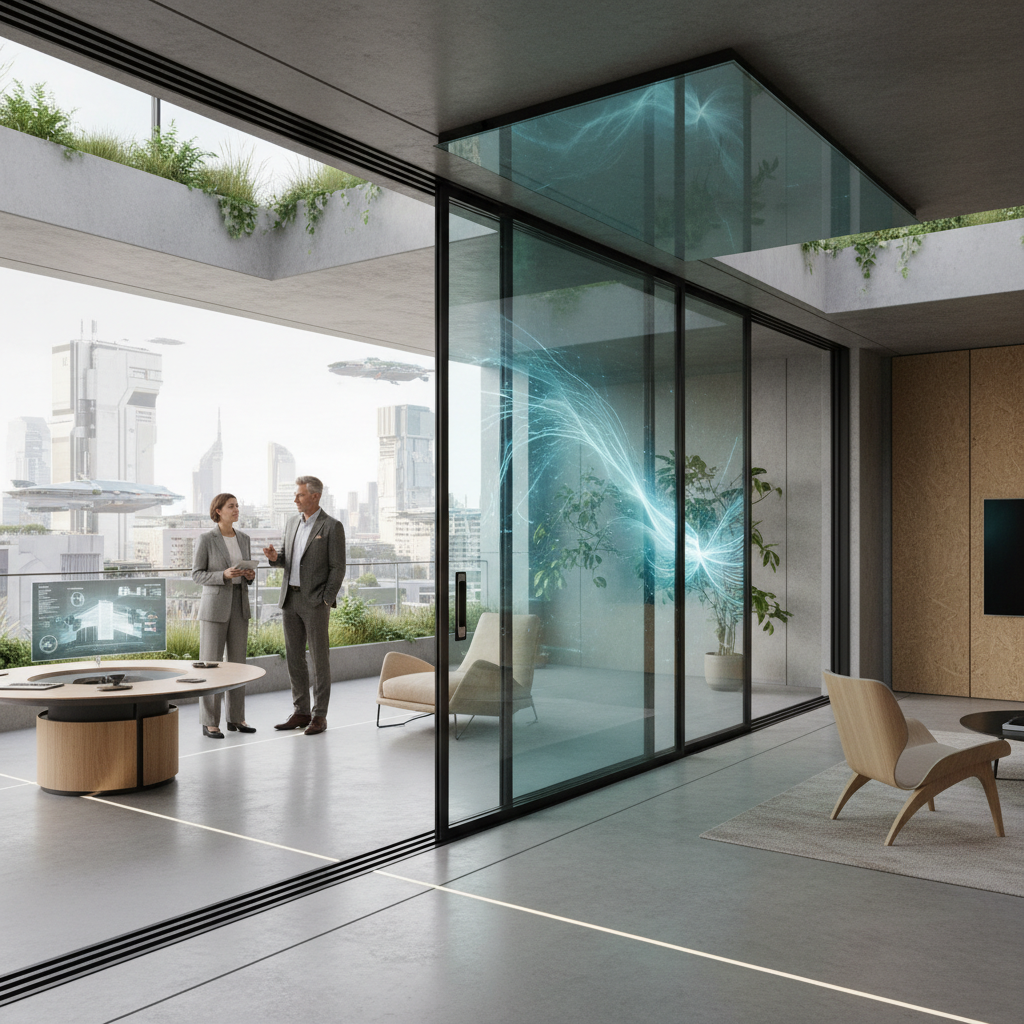
As we approach 2025, the integration of smart technology in sliding door systems is becoming a pivotal trend, enhancing functionality and user experience. The global sliding patio glass door market is projected to reach USD 2.5 billion, with a compound annual growth rate (CAGR) of 4.1% during the forecast period, reflecting a growing consumer demand for advanced, automated solutions. Smart technology applications such as automated opening and closing mechanisms, remote access via mobile applications, and integration with home automation systems are set to redefine how sliding doors operate in residential and commercial spaces.

Furthermore, the innovative design demands are pushing the sliding door systems toward greater energy efficiency and aesthetic appeal. Notably, the door invisible hinges market, valued at USD 1.3 billion in 2024, is expected to experience significant growth, projected to reach USD 1.36 billion by 2025. This growth is indicative of a broader industry shift towards seamless, visually appealing installations that do not compromise on functionality. The focus on enhancing security features, particularly through smart technology, ensures that these advancements not only improve convenience but also safeguard homes in an increasingly technology-driven landscape.

Future Trends of Sliding Door Systems by 2025

Innovative Aesthetic Trends in Sliding Door Systems for Modern Interiors

Unlocking the Future of Sliding Doors System Trends and Innovations by 2025

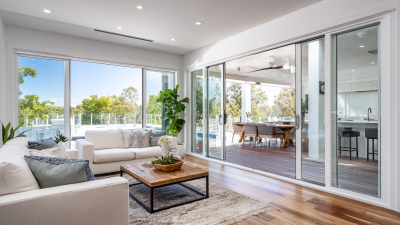
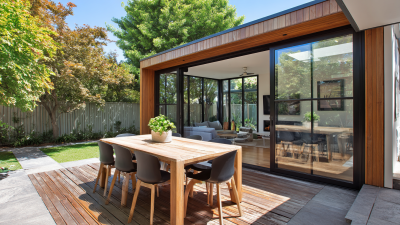
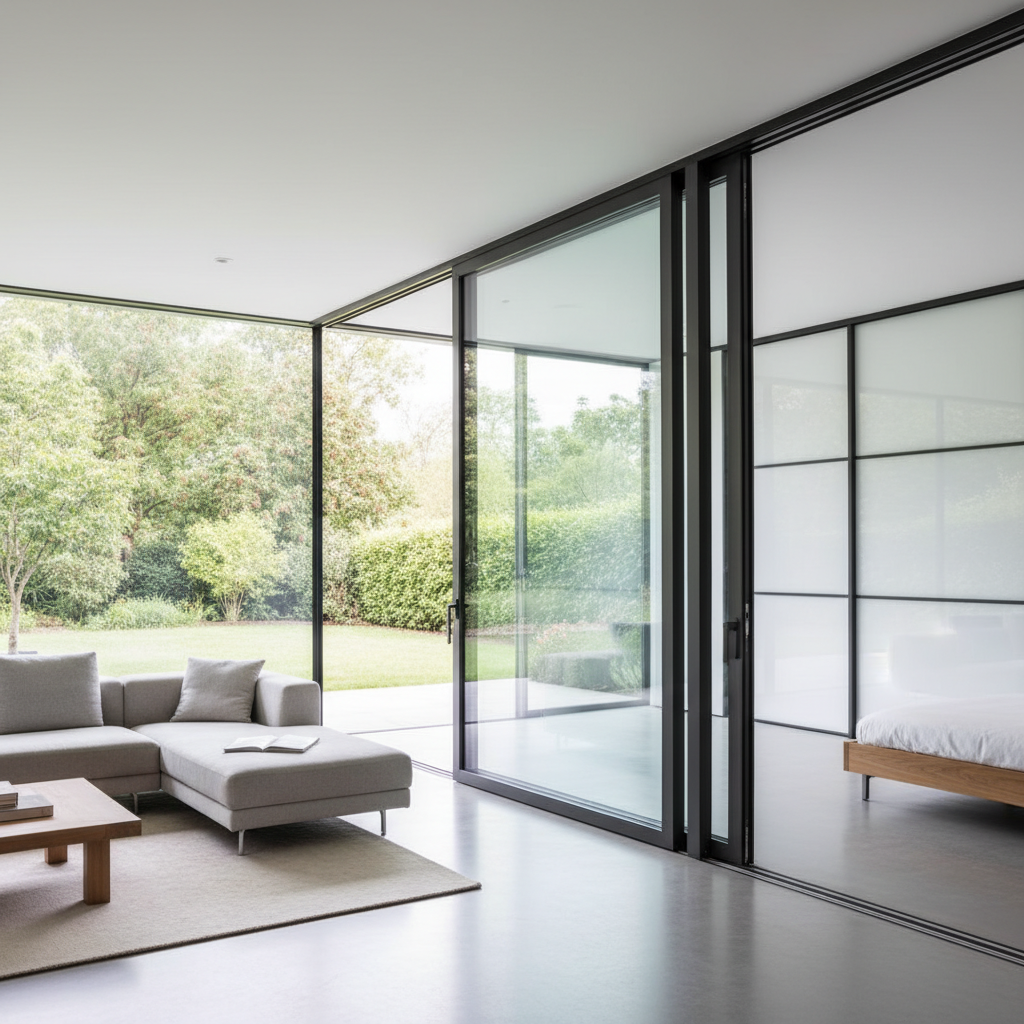
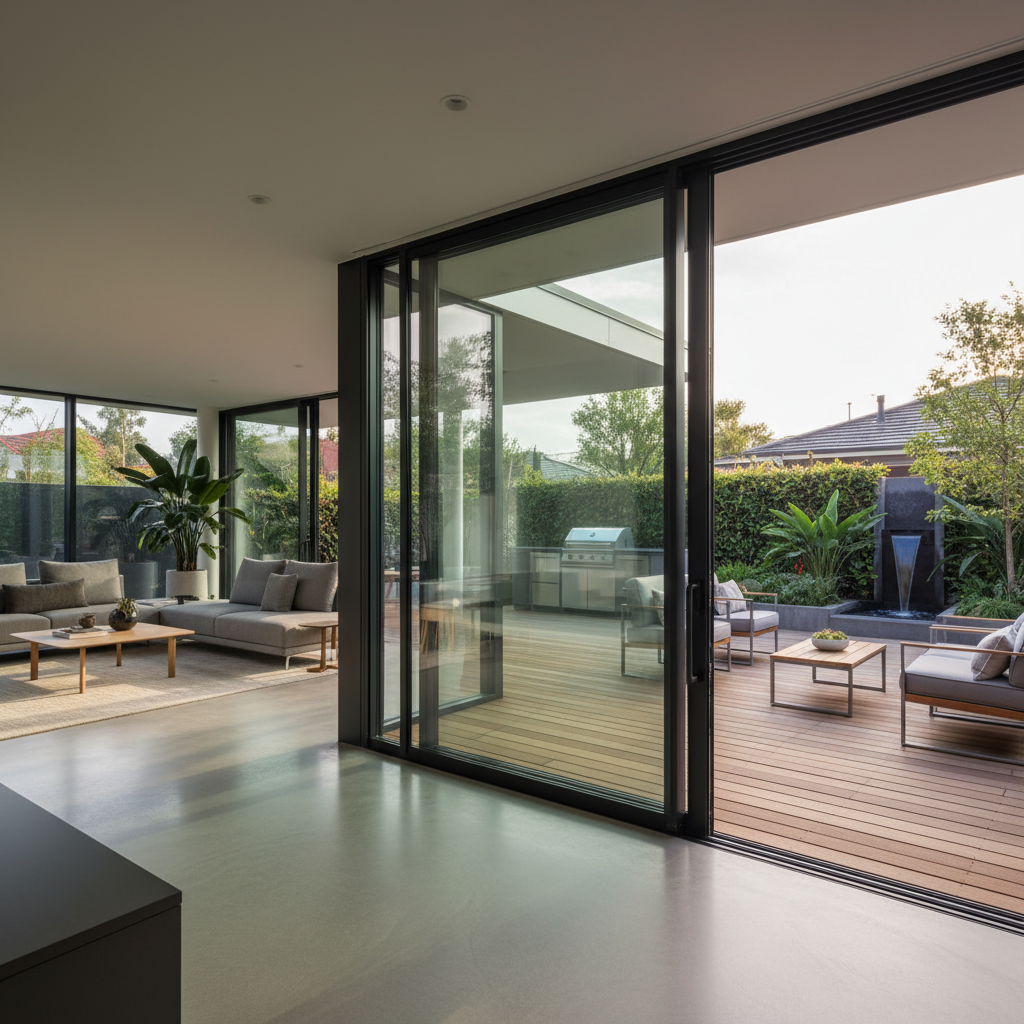
The innovative aesthetic trends in sliding door systems are reshaping modern interiors, bringing both style and functionality to living spaces. As homeowners increasingly seek to maximize their space while enhancing visual appeal, sliding doors have emerged as a top choice in contemporary design. These doors not only save physical space but also create a seamless transition between rooms, integrating natural light and outdoor views into the home. The adoption of sleek lines, minimalist frames, and a variety of materials, including glass and metal, is transforming the traditional sliding door into a focal point within the room.

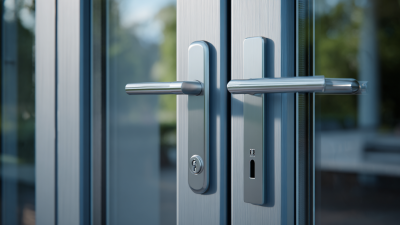
Additionally, the emergence of smart sliding door systems is further revolutionizing interior design. These automated solutions offer convenience, allowing for easy operation with just the touch of a button or through smartphone applications. Innovative features such as built-in sensors for safety and energy efficiency are becoming increasingly common. As this trend progresses, we anticipate a significant emphasis on sleek, modern designs that harmonize technology with aesthetic appeal, ensuring that sliding doors are not only functional but also add a sophisticated touch to homes.

Sustainability Practices in Sliding Door Manufacturing and Design

As the sliding door industry looks towards 2025, sustainability practices are becoming increasingly critical in manufacturing and design. According to a recent report by Allied Market Research, the global sliding door market is expected to reach $20.34 billion by 2025, emphasizing the importance of integrating eco-friendly materials and production techniques to meet consumer demand. Companies are now focusing on sourcing sustainable materials such as recycled aluminum and low-VOC (volatile organic compound) finishes that reduce environmental impact without compromising on aesthetics.

Moreover, advancements in technology are setting new standards for energy efficiency in sliding door systems. The National Renewable Energy Laboratory found that energy-efficient sliding doors can reduce energy loss by up to 40% compared to traditional designs. Manufacturers are investing in multi-layer glazing and advanced insulation materials to enhance thermal performance, which not only helps in lowering energy costs for consumers but also aligns with global sustainability goals.

As these trends continue to shape the industry, sliding door systems will not only offer sleek designs but also contribute positively to environmental conservation.

Future-Proofing Sliding Doors: Adaptability and Versatility Trends

Unlocking the Future of Sliding Doors System Trends and Innovations by 2025

As we approach 2025, the sliding door market is evolving with a focus on adaptability and versatility, driven by consumer demands for multifunctional spaces. According to a report by Grand View Research, the global sliding door market is expected to reach USD 29.9 billion by 2025, growing at a CAGR of 4.5%. This growth is largely due to innovations that enhance the functionality of sliding doors, enabling them to seamlessly transition between indoor and outdoor environments, thus optimizing space usage.

In this context, future-proofing sliding doors means embracing materials and designs that cater to various architectural styles while ensuring durability and energy efficiency. For instance, manufacturers are increasingly exploring advanced materials like fiberglass and aluminum that not only offer aesthetic appeal but also improved insulation properties. This trend aligns with sustainability goals, as consumers become more environmentally conscious.

Tip: When selecting sliding doors, prioritize those that offer customizable features to match your unique space requirements.

Furthermore, smart technology integration is becoming a standard expectation, with automated sliding doors providing convenience and enhanced security features. According to a market analysis by Mordor Intelligence, the smart door market is projected to grow significantly, underscoring the need for sliding doors that can adapt to technological advancements.

Tip: Look for sliding door systems that can integrate with home automation platforms for a seamless living experience.