
Top 10 3D Architectural Renders You Must See Today?

In today's rapidly evolving architectural landscape, "3D Architectural Renders" play a vital role. According to recent reports, the global market for architectural visualization is expected to reach $4.5 billion by 2025. This growth underscores the increasing reliance on 3D models in designing and marketing properties. These renders help clients visualize projects, leading to better decision-making.

Furthermore, the technology behind 3D renders has significantly improved. High-resolution images and immersive virtual reality experiences create a realistic sense of space. However, this advancement also presents challenges. Some designers struggle to keep up with client expectations for hyper-realistic visuals. Balancing creativity with technology can sometimes lead to compromises in artistic intent.

Exploring the top 10 3D architectural renders reveals a diverse range of styles and innovations. Each render tells a unique story while showcasing the latest trends. The ongoing evolution in this field reflects both opportunities and obstacles for architects. Embracing this technology requires understanding its nuances and implications.
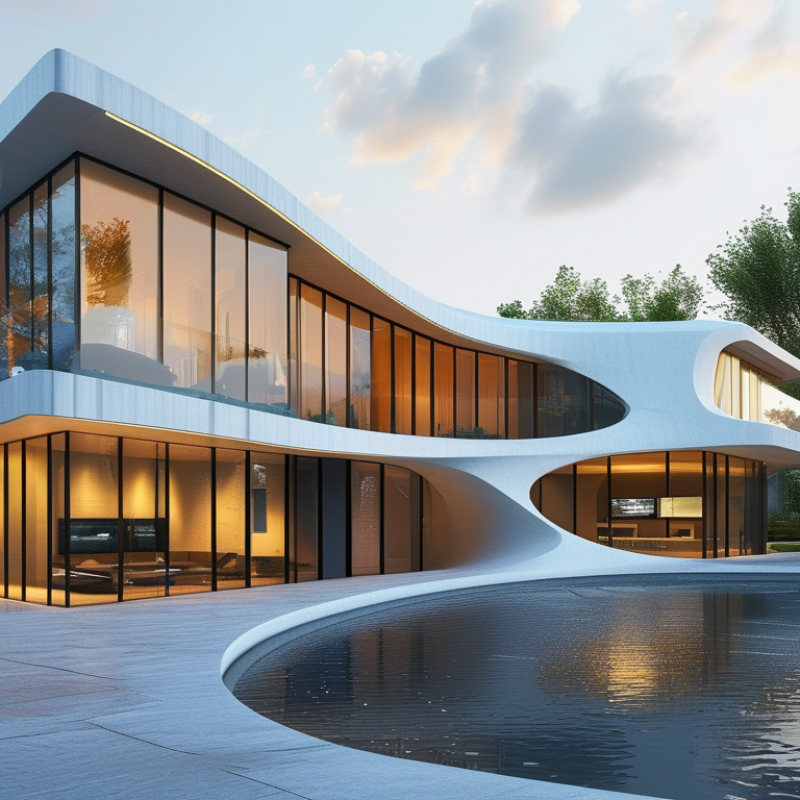
Top 10 3D Architectural Renders You Must See Today?

The Importance of 3D Architectural Renders in Modern Design

3D architectural renders have revolutionized modern design. These visualizations allow architects to convey their visions effectively. According to a report from the National Institute of Building Sciences, incorporating 3D visualization can reduce design errors by up to 70%. This statistic illustrates the crucial role of accurate representations in minimizing costly mistakes during the planning stages.


Additionally, immersive renders help clients understand spatial relationships and aesthetics. A survey released by ArchDaily found that 80% of clients feel more confident in their projects when they see high-quality 3D renders. These visuals can bridge the gap between abstract concepts and tangible results. They foster clear communication between architects and clients, often reducing the need for extensive revisions.


However, reliance on 3D renders poses challenges. Overselling a project through unrealistic visuals can lead to disillusionment. Furthermore, the technology demands continuous skill development in architects. As the industry evolves, professionals must balance artistic representation with real-world constraints. Emphasizing accuracy while navigating the artistic aspects is no easy feat.

Key Features of High-Quality 3D Architectural Visualizations

When it comes to creating stunning 3D architectural visualizations, several key features stand out. Accurate lighting is crucial. It sets the mood. Natural light can enhance textures and colors in a render. Shadows should be realistic, adding depth. The balance between light and dark creates a dynamic scene.

Another important factor is detail. Textures must reflect the material's true nature. Wood, glass, and metal have unique characteristics. A great visualization captures these subtleties. For instance, a weathered brick wall should have imperfections that tell a story.

Finally, composition matters tremendously. The layout should guide the viewer’s eye through the space. A strong focal point draws attention, while empty space provides breathing room. However, achieving this balance is not always straightforward. Working too much detail into a scene can overwhelm the viewer. Regular refinement is necessary to ensure clarity in your visualizations.

Top 10 3D Architectural Renders You Must See Today

Comparative Analysis: Traditional vs. 3D Rendering Techniques

The evolution of architectural rendering techniques has dramatically changed the way we visualize spaces. Traditional methods often relied on hand-drawn sketches or watercolor paintings. These artful renditions required incredible skill and time. Mistakes could lead to costly revisions. While beautiful, they lack the precision required for modern architectural needs.

In contrast, 3D rendering offers a fresh perspective. It provides photorealistic imagery, allowing for true-to-life representations of designs. The benefits include faster revisions and enhanced client communication. However, not all renders perfectly capture an architect's vision. Some rely too heavily on software presets, leading to uninspired results. This highlights the importance of an architect’s artistic touch even in a digital age.

As architects continue to embrace technology, the debate will persist. A perfect blend of traditional artistry and modern technique could yield the best outcomes. The best architects know that each method serves a purpose. Balancing creativity with accuracy is the key to success.

Top 10 3D Architectural Renders You Must See Today?

Render Title Type Software Used Realism Level Client Feedback
Modern House 3D Render SketchUp, V-Ray High Very Positive
Traditional Villa Traditional Hand-drawn Medium Positive
Urban Development 3D Render Rhino, Enscape Very High Excellent
Cozy Cabin 3D Render Blender High Very Positive
Eco-Friendly Home 3D Render AutoCAD, 3ds Max High Positive
Coastal Resort 3D Render Lumion, SketchUp Very High Excellent
Mountain Retreat 3D Render Cinema 4D High Very Positive
Minimalist Office 3D Render Revit, V-Ray High Positive
Luxury Apartment 3D Render Maya, V-Ray Very High Excellent
Historic Renovation Traditional Hand-drawn, Watercolor Medium Positive

Industry Trends: Growth of 3D Rendering Market and Technology Advances

The 3D rendering market continues to grow rapidly, driven by advances in technology. Businesses recognize the value of realistic visualizations. In architecture, clients seek high-quality renders to visualize projects. This trend enhances communication between designers and clients, making decisions easier.

As technology evolves, tools for 3D rendering become more accessible. Software now offers realistic textures and lighting effects. Artists can create stunning visuals with shorter production times. High-quality renders are crucial for presentations and marketing materials. Yet, it's important to remember that not every render will be perfect. Mistakes or misjudgments can lead to unrealistic expectations.

Tips: Always gather client feedback early in the rendering process. This helps ensure the design meets expectations. Keep experimenting with variations in your work. Sometimes, breaking away from the norm yields extraordinary results. Happy rendering isn't just about perfection; it's about effective communication through visuals. Embrace the lessons that come with each project.

Notable Case Studies: Landmark Projects Enhanced by 3D Renders

Three-dimensional architectural rendering has revolutionized how we visualize landmark projects. These renders offer a glimpse into the future. They help clients envision spaces that blend art and functionality. Yet, not all projects benefit equally from 3D visualization.

Take a notable urban development as an example. The renderings highlighted intricate details and textures, making the concept come alive. It's impressive, but sometimes the final product falls short. The challenge lies in balancing artistic vision with practical execution. Clients may expect perfection, but real-world limitations often lead to compromise.

Another case involved a cultural institution. The 3D renderings captured the essence of the design beautifully. However, during construction, unforeseen issues arose, altering the final appearance. It’s essential to acknowledge that the ideal depicted in renders may not always translate to reality. These projects remind us of the delicate dance between ambition and practicality in architecture.