How to Choose the Best Window Awnings?

Choosing the right Window Awnings can change how a room feels, performs, and ages. Sunlight may look gentle at 9 a.m., then create intense heat by noon. The best choice must respond to that daily change. It should also suit the building, not merely fill an empty wall.

“Good awning selection begins with the window’s exposure, not the fabric sample,” says Daniel Harper, a window-shading consultant with 18 years of installation experience. His advice points toward practical evaluation. Check the window’s direction, frame strength, wall material, and nearby trees. Measure the glass carefully. A small error can leave bright gaps along the edges. That detail is easy to miss.

Material matters. Acrylic fabric usually offers strong color retention and weather resistance. Polyester can provide a lower-cost option, but its lifespan may vary. Retractable models offer flexible shade during changing weather. Fixed awnings provide steady coverage and a more permanent appearance. Think about wind, rain, cleaning, and motor access before choosing.

Looks matter too.

A striped pattern may feel welcoming on a storefront. A plain shade may suit a modern home better. However, appearance should not hide weak hardware or poor drainage. Installation quality often decides whether an awning remains attractive after several seasons. No choice is perfect. Even a well-designed awning may need adjustment after installation. This guide explores the key decisions, common mistakes, and useful questions that help buyers choose Window Awnings with greater confidence.
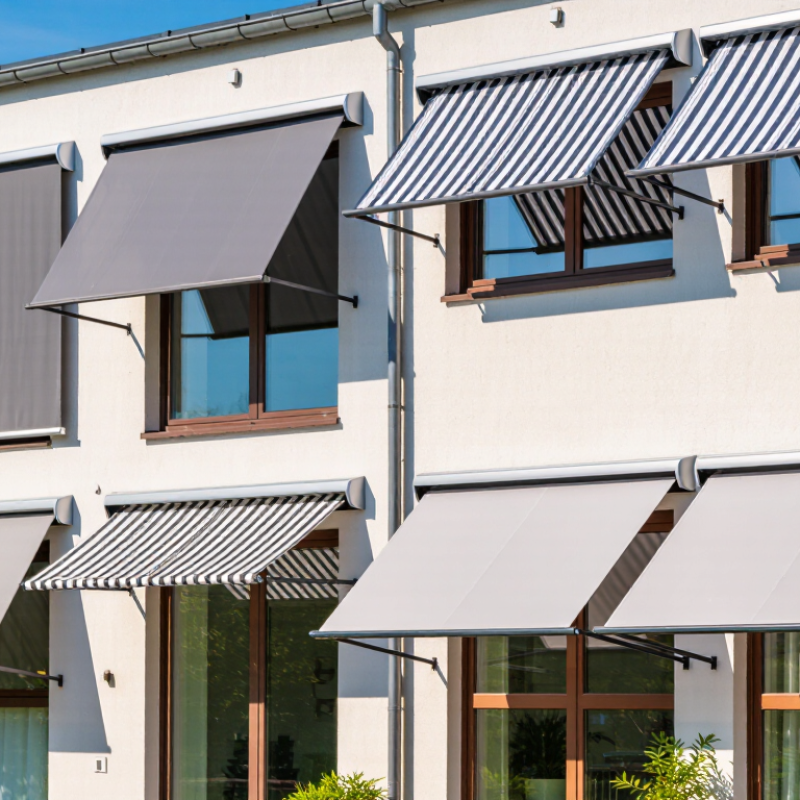
How to Choose the Best Window Awnings?

Define Your Window Awning Needs and Performance Goals

Choosing the best window awning starts with a clear need, not a fabric sample. Walk around the room at different times of day. Note glare on screens, heat near the glass, and fading on nearby furniture. Measure each window, including frame depth and opening direction. A sunny south-facing window may need stronger solar control than a shaded bedroom window. Small details matter.

Set performance goals you can verify. Decide whether the awning should block direct rays, reduce indoor heat, protect privacy, or improve ventilation. Ask for fabric openness, UV filtering, water resistance, wind limits, and expected service life. These figures are more useful than vague claims such as “maximum comfort.” Check how the awning operates during power cuts or strong weather. Safety features and secure installation deserve equal attention. Local climate and building rules may affect the suitable projection and fixing method.

I once chose a darker shade because it looked cooler. That assumption was wrong; the room became dim and needed lights earlier. Now I compare samples beside the actual window in morning and afternoon light. I also allow time for maintenance, because dust collects along the top edge. No choice is perfect. A practical specification balances shade, daylight, airflow, appearance, budget, and measured installation advice.

Compare Awning Types, Materials, and Operating Mechanisms

Choosing the best window awning starts with comparing how each type handles sunlight, wind, and daily use. Retractable awnings offer flexible shade and preserve outdoor views when closed. Fixed awnings provide steady protection but require stronger installation planning. Drop-arm designs suit smaller windows, while motorized models improve convenience for hard-to-reach areas.

Material selection affects comfort and service life. Acrylic fabric resists fading and dries relatively quickly after light rain. Polyester can cost less, but its color may weaken sooner under intense sunlight. Aluminum creates a clean, durable cover, though it can feel less warm than fabric. In my experience, a dark fabric reduces glare effectively, but it may also make a room feel visually heavy. I initially underestimated this detail. Frame quality matters too. Powder-coated metal usually handles moisture better than untreated steel.

Tips: Check your window’s width, wall condition, and typical wind exposure before choosing a size. Ask for fabric samples outdoors, not only under showroom lighting. Test the operating mechanism several times. Manual cranks are simple and dependable, while motorized systems are easier for frequent adjustment. However, motors add wiring, controls, and possible maintenance. Leave enough clearance above doors and windows. Poor spacing can cause rubbing, trapped moisture, or difficult operation. Get professional advice when masonry, unusual angles, or high installation points are involved.

Measure Window Dimensions and Check Installation Requirements

How to Choose the Best Window Awnings?

Measure the window opening before comparing awning styles. Record width, height, and the distance above the frame. Measure each window separately. Older buildings rarely align perfectly. A 5-millimeter error can affect brackets, fabric tension, and drainage.

Check the wall material and available fixing depth. Brick, concrete, timber, and cladding require different anchors. Confirm that the awning will clear shutters, handles, lighting, vents, and nearby doors. For retractable models, mark the full projection on the wall. The front edge should not block walkways or scrape window trim. Installation instructions should also specify minimum clearance and allowable mounting angles. Small details matter.

Orientation changes performance. The U.S. Department of Energy reports that exterior awnings may reduce summer solar heat gain by up to 65% on south-facing windows and 77% on west-facing windows. ASHRAE’s Handbook—Fundamentals also emphasizes solar angle, glazing, and shading geometry when evaluating cooling loads. These figures are useful, but not guarantees. Local climate, fabric openness, window glass, and installation quality can change results. In practical site checks, I would photograph the opening, sketch bracket locations, and remeasure after marking the fixings. Measure twice. It still feels excessive. Yet rushed measurements often create expensive adjustments, especially around uneven masonry. After installation, test the awning through its complete movement and inspect water runoff during the first heavy rain.

Evaluate Weather Resistance, Energy Efficiency, and Maintenance

How to Choose the Best Window Awnings?

Weather resistance should be your first practical test. Look for solution-dyed acrylic or tightly woven polyester fabric with UV-resistant treatment. These materials usually handle strong sunlight better than ordinary cloth. Check the frame for powder-coated aluminum or corrosion-resistant steel. Coastal homes need extra protection from salt air. Ask for wind and water resistance ratings, not vague claims. A deep overhang can redirect rain, but poor drainage may still stain walls. It happens.

Energy efficiency depends on placement, fabric color, and window direction. South- and west-facing windows often receive intense afternoon heat. A well-positioned awning can reduce direct solar gain before it reaches the glass. Light-colored fabric reflects more sunlight, while darker fabric may improve glare control. Measure carefully. An awning installed too high or too shallow may provide little shade. Keep enough space for ventilation, especially around operable windows. Energy savings also depend on insulation, glass quality, and local climate, so treat advertised percentages cautiously.

Maintenance should fit your routine, not your hopes. Inspect seams, brackets, and retractable arms every few months. Remove leaves before moisture creates mildew. Clean fabric with mild soap and a soft brush; harsh chemicals can weaken protective coatings. Let it dry fully before retracting. During storms, retractable models should be closed early, not after wind begins. Fixed awnings need tighter structural checks. I once underestimated a loose bracket, and the repair cost more than regular inspection. A simple maintenance schedule is easy to ignore, but small defects rarely improve by themselves.

Set a Budget and Select the Best Awning for Your Home

How to Choose the Best Window Awnings?

Set a Budget and Select the Best Awning for Your Home

Choosing window awnings starts with a realistic budget, not a showroom image. Measure every window before requesting prices. Include the awning, brackets, delivery, installation, and possible permit fees. Keep an extra 10 to 15 percent for unexpected adjustments. I once overlooked uneven exterior walls. The installation needed additional hardware. That small mistake increased the final cost.

Compare awning styles according to your daily needs. Fixed awnings often suit homeowners seeking steady shade and simpler maintenance. Retractable models offer more control during cooler weather. Manual operation usually costs less than motorized control. However, frequent use may justify a powered system. Think about afternoon glare, indoor heat, and furniture near the window. Small details matter.

Material choice also affects long-term value. Select fabric that resists fading and dries quickly after rain. In coastal areas, corrosion-resistant frames deserve priority. Ask about wind limits and safe retraction procedures. A qualified installer should explain wall support and drainage clearly. Request a written quote with material details, labor costs, and warranty conditions. Check whether routine cleaning is included. It usually is not. That detail can surprise homeowners. Inspect sample colors outdoors, because indoor lighting can mislead you. Leave enough budget for quality installation, even if the awning itself is modest.

How to Choose the Best Window Awnings? — Set a Budget and Select the Best Awning for Your Home
Awning Type Typical Budget Range
per Window
Common Materials Typical Projection Sun and Heat Control Weather Protection Maintenance Level Typical Service Life Best For
Retractable Fabric Awning US$300–US$1,500 Solution-dyed acrylic or polyester fabric; aluminum frame 2–10 ft
(0.6–3.0 m)
High when extended; can reduce direct solar heat gain and glare Good for sun and light rain; should be retracted during strong wind or heavy snow Low to moderate; clean fabric regularly and inspect moving parts About 8–15 years with proper care Flexible shade, patios, large windows, and homes that need adjustable coverage
Fixed Fabric Awning US$200–US$900 Outdoor fabric or coated polyester; steel or aluminum frame 2–5 ft
(0.6–1.5 m)
Good; provides continuous shade during the day Good for sun and moderate rain; fixed frames need secure anchoring Moderate; fabric may require seasonal cleaning and tension checks About 5–12 years, depending on fabric and exposure A simple, permanent solution for standard-size windows
Aluminum Window Awning US$250–US$1,200 Powder-coated aluminum panels and frame 1.5–4 ft
(0.45–1.2 m)
Very good; solid panels block direct sunlight effectively Very good for sun and rain; performance depends on mounting and local wind conditions Low; wash occasionally and check fasteners About 15–25 years Low-maintenance homes, strong sun exposure, and permanent exterior protection
Solar Screen Awning US$150–US$700 UV-resistant mesh fabric; aluminum or fiberglass components 1–3 ft
(0.3–0.9 m)
High glare reduction while preserving partial outward visibility Good for sunlight; limited protection from wind-driven rain Low; remove dust and inspect the screen for tears About 5–10 years Bedrooms, offices, and rooms where glare and indoor heat are the main concerns
Drop-Arm Awning US$250–US$1,000 Outdoor fabric with aluminum arms and roller tube 2–4 ft
(0.6–1.2 m)
High; the adjustable arms can shade the glass and part of the wall Good for sun and light rain; retract in severe weather Moderate; fabric cleaning and arm inspection are recommended About 8–15 years Vertical windows, narrow façades, and adjustable side-angle shading
Door or Window Canopy US$100–US$600 Polycarbonate, aluminum, or coated metal 1.5–4 ft
(0.45–1.2 m)
Moderate to good, depending on panel depth and orientation Good for rain and direct sun over entrances or compact windows Low; clean the surface and check wall anchors About 10–20 years Entry doors, small windows, and homes needing affordable overhead cover
Budget guidance: Product prices are typical planning ranges in U.S. dollars and may exclude professional installation, custom sizing, electrical work, delivery, permits, and removal of an existing awning. Before choosing a model, measure the window width, confirm the available wall structure, check local wind and snow conditions, and select a projection that shades the glass without blocking required ventilation or emergency exits.