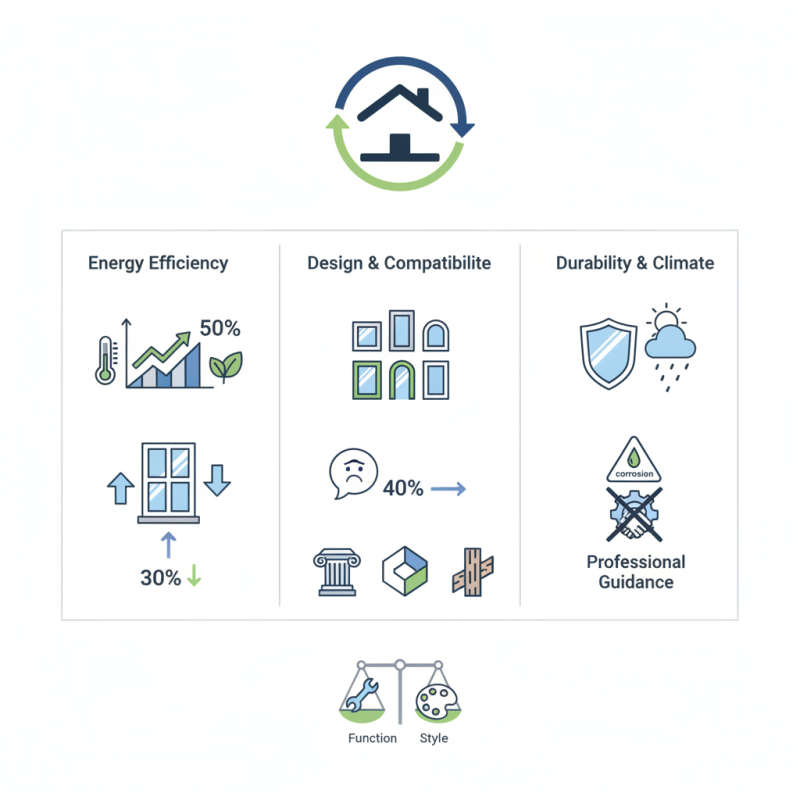
Choosing the right alum windows and doors is crucial for any homeowner. Recent studies indicate that about 50% of homeowners prioritize energy efficiency in their selections. Alu windows and doors stand out due to their durability and thermal performance. They offer superior insulation, reducing energy bills by up to 30%.
However, not every option suits every home. Many consumers overlook factors like style, design compatibility, and local climate conditions. A 2023 market analysis revealed that 40% of users regretted their choice due to aesthetic mismatches. It highlights the importance of understanding personal needs beyond price and efficiency.
Investing in aluminum products also poses challenges. Alu windows and doors, while popular, can be susceptible to corrosion in harsh environments. Selecting the right finish is essential to avoid potential damage. Engaging with professionals for guidance can mitigate common mistakes. The aim is to find the best balance between function and style, ensuring long-term satisfaction.
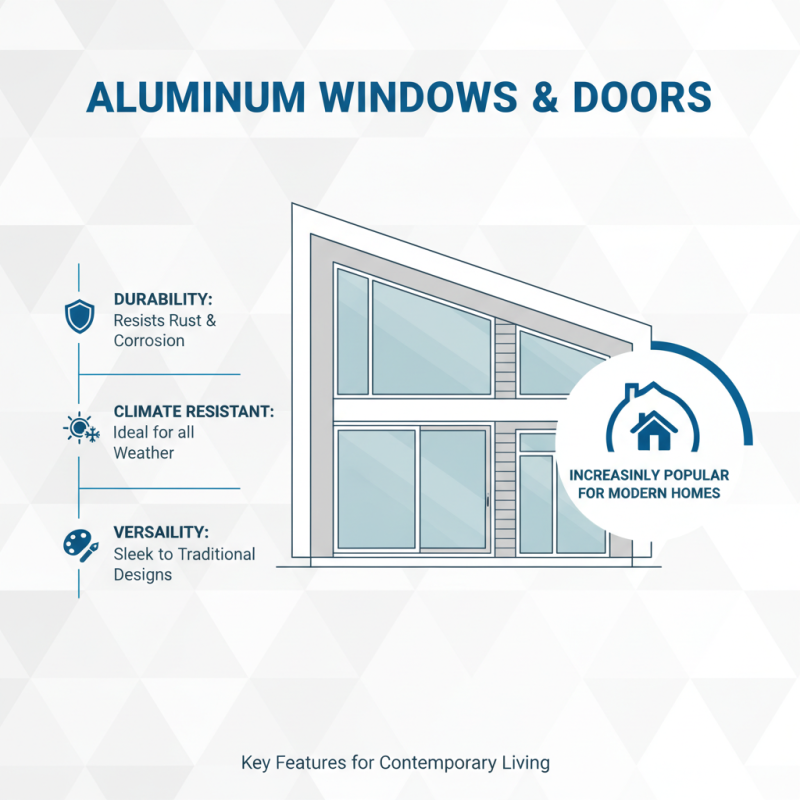
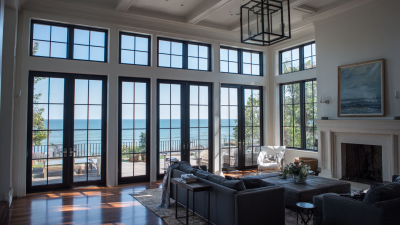
Aluminum windows and doors are becoming increasingly popular for modern homes. Their durability is a key feature. They resist rust and corrosion, making them ideal for various climates. Many designs are available, from sleek to traditional. This versatility allows homeowners to match their exterior aesthetics easily.
Energy efficiency is another significant benefit. Modern aluminum frames often contain thermal breaks. These breaks help to minimize heat transfer. Consequently, they can keep homes warmer in winter and cooler in summer. However, homeowners must ensure proper installation for maximum efficiency. This aspect can sometimes be tricky, leading to potential air leaks.
Maintenance is relatively simple overall. Regular cleaning with mild soap can keep them looking new. Yet, some homeowners might neglect periodic inspections. This oversight can lead to issues, such as wear on seals or hardware. It's essential to be proactive rather than reactive. Familiarizing oneself with these details can help in making informed choices.
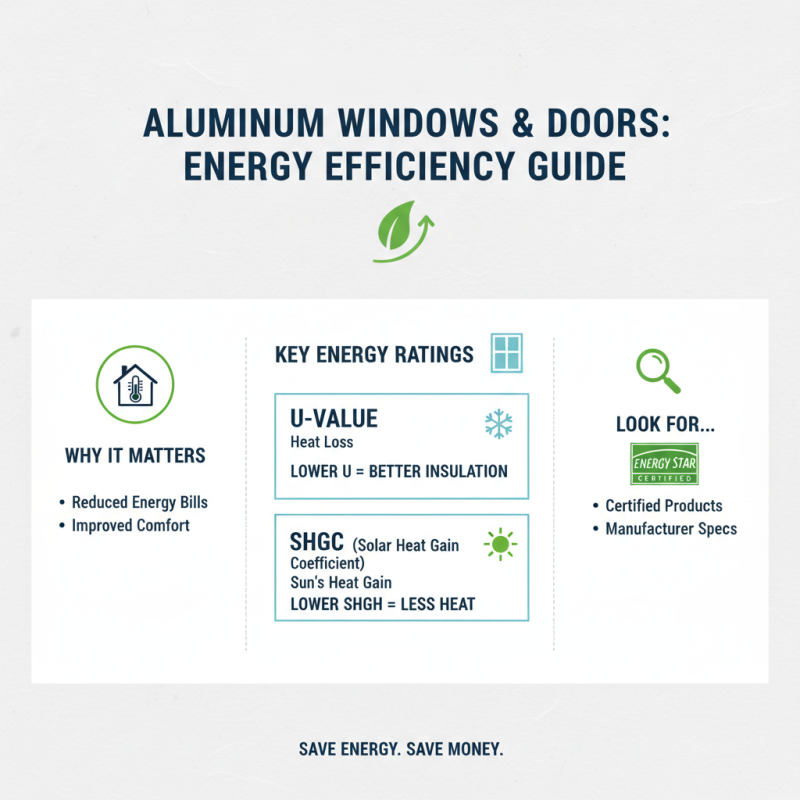
When selecting aluminum windows and doors, energy efficiency is crucial. Energy ratings show how well a product insulates. Look for ratings like U-value or SHGC. A lower U-value indicates better insulation. This can lead to lower energy bills.
Consider how these installations perform in different climates. Test performance under extreme conditions. You want a reliable option for both hot summers and cold winters. Every home is unique, and no single product suits all.
Tips: Always check the certification labels. Ask for performance data on specific models. Gathering different options can help make an informed choice.
Lastly, remember that even energy-efficient windows may have drawbacks. Installation errors can lead to air leaks. Take time to research the installation process. Seek professional help if needed. After all, choosing the right aluminum windows and doors is a long-term investment.
When choosing aluminum windows and doors, assessing durability is vital. Aluminum is naturally resistant to rust and corrosion. This makes it a popular choice for different climates. However, not all aluminum frames are created equal. Some may dent or scratch easily. It's crucial to inspect the alloy quality before making a decision.
Maintenance is another key factor. Aluminum windows can require less upkeep than wood. Yet, they still need attention. Regular cleaning helps prevent dirt buildup and keeps the frames looking fresh. Consider the finish, too. Anodized or powder-coated finishes can enhance durability. But they may fade over time. This aspect often gets overlooked in the selection process.
Think about how the design fits your lifestyle. If you live near the ocean, salt air can damage aluminum. Choosing windows with specific coatings might prolong their lifespan. Reflect on your home environment and personal preferences. Sometimes, it’s easy to get caught up in aesthetics. But practicality should hold equal weight in your decision-making.
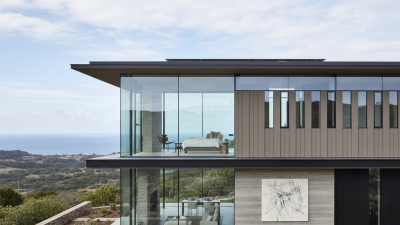
Choosing aluminum windows can impact the aesthetics of your home significantly. They come in various styles, such as modern, traditional, and minimalist, allowing customization to fit your home’s design. According to the 2023 Aluminum Association report, aluminum windows can enhance curb appeal by up to 15%. This is vital for property value and first impressions.
Consider the color and finish of aluminum frames. Powder-coated finishes are popular for their durability and range of colors. They offer resistance to fading and corrosion, making them a long-term choice. However, some homeowners overlook this aspect. A poor color choice can clash with existing home tones. A visual mismatch can detract from the overall design.
Moreover, the design should align with your home’s structure. Sleek frames work well in contemporary designs. Classic styles may benefit from more intricate details. Reports indicate that 68% of homeowners regret not focusing on design during installation. This reflects the need for careful consideration. Make your choices based on how they interact with your architecture. Thoughtful selections can create harmony across your living space.
When budgeting for aluminum windows and doors, several key factors come into play. According to a recent industry report, the average installation cost ranges from $500 to $1,200 per window, depending on size and design. This doesn't include any additional expenses, such as insulation or custom features. Many homeowners often overlook these hidden costs, leading to budget overruns.
Selecting high-quality aluminum products can also impact your overall expenditure. Research suggests that premium options may cost up to 30% more upfront. However, the longevity and durability of these installations often justify the initial investment. Quick fixes or cheap alternatives might save money now but could lead to costly repairs later on.
Labor costs add another layer to your budget. Hiring experienced professionals can cost an additional $60 to $90 per hour. A project's complexity will influence the total time required. Sometimes, homeowners attempt DIY installations to cut costs, only to face challenges that necessitate professional intervention later. Assessing your skills honestly is vital to avoiding setbacks that waste both time and money.