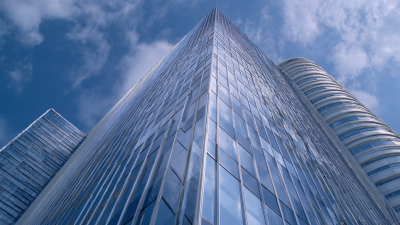
When selecting an aluminium curtain wall for your project, it's crucial to understand its many benefits. An aluminium curtain wall enhances aesthetic appeal and provides excellent thermal insulation. Its lightweight nature can significantly reduce the overall load on a building's structure. However, the selection process can be overwhelming due to the variety of options available.
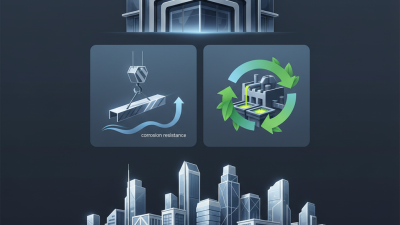
Considering factors such as durability, maintenance, and design flexibility is essential. High-quality aluminium curtain walls resist corrosion and weathering, ensuring longevity. Choose systems that offer good thermal performance to enhance energy efficiency. Reflecting on the uniqueness of each project is vital, as what works for one may not suit another.
Furthermore, not every choice will meet your expectations. Evaluating real-world case studies can offer insights into potential challenges. Investigating professional opinions can guide you toward reliable products. Always remember, an informed decision leads to a successful project.

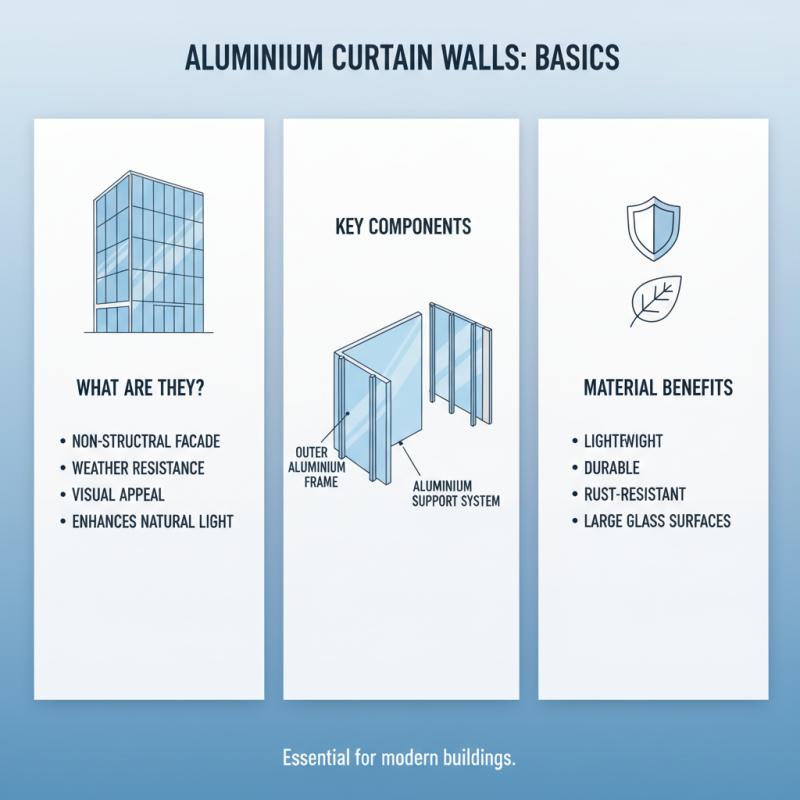
When choosing aluminium curtain walls for your project, it’s essential to understand their basic components and functionalities. Aluminium curtain walls are non-structural façades. They provide weather resistance and visual appeal. They consist of an outer frame, infill panels, and support systems, all made from high-quality aluminium. This lightweight material is durable, rust-resistant, and allows for large glass surfaces, enhancing natural light in buildings.
Installation is crucial. You need skilled professionals who understand the nuances of curtain wall systems. Mistakes in installation can lead to issues like leaks, air infiltration, or structural failure, which can be costly to fix. Working with experienced contractors ensures proper alignment and anchoring. Engaging with a specialist helps navigate design choices and local regulations, optimizing performance.
Reflecting on past projects, I noticed that not all designs suit every environment. Factors like wind loads, seismic activity, and thermal performance should guide selection. Projects in different climates may require variations in insulation and glazing. Remember, an attractive façade should also be functional and resilient. Balancing aesthetics with performance will lead to better outcomes.

When selecting aluminium curtain walls for your project, several key factors come into play. Firstly, consider the thermal performance of the materials. A well-insulated curtain wall can reduce energy costs and improve comfort. Look for products with high thermal resistance values. Framing options are also crucial. Different frame designs can impact structural integrity and aesthetic appeal.
Tips: Always evaluate the building's location and climate. This can significantly affect the choice of curtain wall systems. For instance, regions with high winds may require reinforced designs.
Another important aspect is the material finish. Powder-coated finishes offer excellent durability and minimal maintenance. Additionally, they provide various color options to enhance the building's exterior. Think about how the selected finish will blend with the surrounding architecture. It’s essential for long-term satisfaction.
Tips: Be mindful of potential installation challenges. Misalignment or poor workmanship can lead to leaks and structural issues. Collaborate with experts to ensure proper installation techniques are followed.
When it comes to selecting an aluminium curtain wall for your project, aesthetics and functionality must go hand in hand. The first step is assessing the visual impact of the design. Consider how the curtain wall will interact with surrounding structures. Look at color, texture, and transparency. Will it blend seamlessly, or stand out? Light plays a crucial role too. A well-designed curtain wall reflects light beautifully, enhancing the facade.
Functional aspects cannot be overlooked. How will the curtain wall perform against weather changes? Think about insulation, soundproofing, and energy efficiency. Pay attention to structural integrity and how it withstands environmental stresses. Improper choices here can lead to costly repairs down the line. Also, consider maintenance. Will the design require frequent cleaning? Some options may seem appealing but could lead to reflection issues, impacting building comfort.
Reflecting on your choices also involves understanding the environment where the project is located. Each design decision should be informed by local climate and regulations. Consult with architects and engineers. Trust their expertise. They can guide you in combining beauty with practicality. This balance is essential for a successful curtain wall.
| Aspect | Description | Considerations |
|---|---|---|
| Aesthetic Appeal | Visual impact and harmony with nearby structures. | Style, color, and finish options. |
| Energy Efficiency | Thermal performance and insulation properties. | U-value, solar gain, and materials used. |
| Durability | Resistance to weathering and environmental factors. | Coating types, maintenance requirements. |
| Cost Effectiveness | Overall lifecycle costs compared to initial investment. | Budget for installation and maintenance. |
| Installation Complexity | Ease of installation and required skills. | Pre-fabrication options, workforce availability. |
Selecting aluminium curtain walls involves careful consideration of energy efficiency and sustainability. Reports indicate that over 40% of a building's energy can be saved with high-performance curtain wall systems. This makes energy savings a crucial factor in design. The right choice can significantly reduce heating and cooling costs.
Moreover, sustainability in materials is vital. Aluminium offers recyclability, an essential feature for environmentally conscious projects. According to industry studies, recycled aluminium uses 95% less energy than new production. However, sourcing local materials could further enhance a project's sustainability profile.
Designers often overlook potential flaws in curtain wall systems. Airtightness can be compromised, leading to energy loss. Research shows that up to 30% of energy loss can occur through poorly sealed windows and walls. Conducting a thorough analysis of weather barriers and insulation is necessary to avoid these pitfalls. Balancing aesthetics with energy efficiency and sustainability is challenging yet essential for modern architecture.
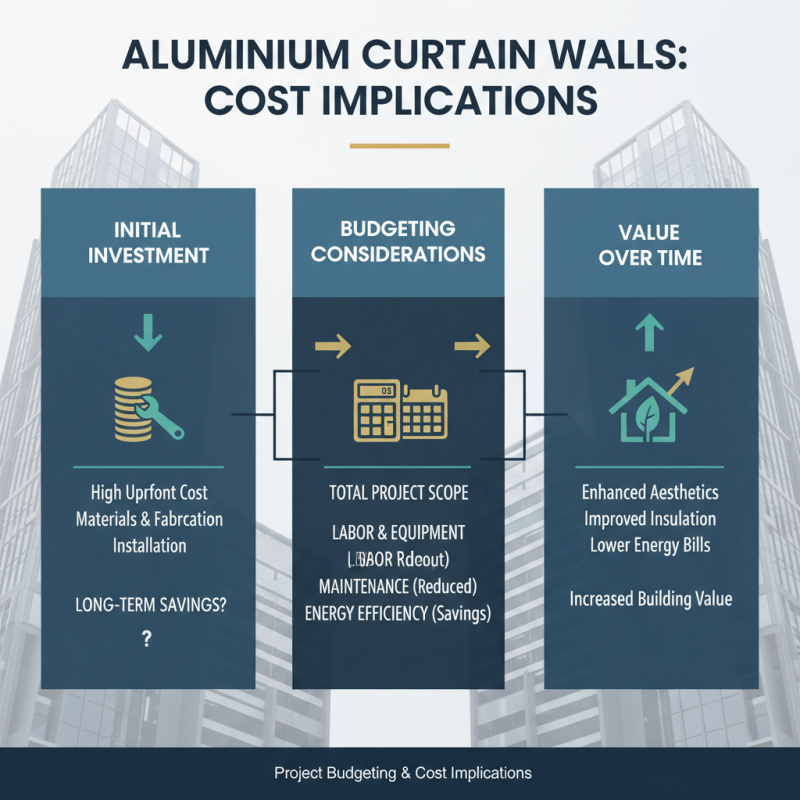
When undertaking a project involving aluminium curtain walls, understanding the budget is essential. These walls can enhance a building's aesthetic while providing excellent insulation. However, the initial cost can be high. It’s vital to weigh the long-term benefits against the upfront expense. Budgeting should include installation, maintenance, and potential energy savings over time.
Unexpected costs can arise during the project. For instance, if the structural integrity of the building is not adequate, additional reinforcements may be required. This can lead to unplanned expenses that strain your budget. Careful planning can mitigate these risks. Engaging with experienced professionals can provide crucial insights. They can help identify potential pitfalls early in the design phase.
Cost implications also extend to the choice of materials and design complexity. Simpler designs typically reduce costs. On the other hand, intricate designs can dramatically increase the budget. It’s essential to balance creativity with practicality. Understanding the lifecycle cost of aluminium can also inform decision-making. This helps ensure that the investment provides value in the long run.