What Are Window Sliding Doors and How Do They Work?
Window sliding doors combine broad glass panels with a horizontal track, creating a practical connection between indoor rooms and outdoor spaces. Unlike hinged doors, they open by moving one panel sideways behind another. This design can save floor space and frame gardens, balconies, patios, or bright living areas.
The system looks simple. It is not.
Each panel usually depends on rollers, a track, guides, handles, locking points, and weather seals. When the rollers are correctly adjusted, the panel should glide smoothly with limited effort. The track must remain clean and level. Small stones, dust, or frame movement can make operation noisy and uneven. I have seen doors that looked perfectly installed but dragged after seasonal movement changed the alignment.
Building-science expert John Straube has emphasized, “A building enclosure is a system, not a collection of products.” That idea applies directly to window sliding doors. Glass, frames, drainage paths, seals, and installation details must work together. A high-performance panel cannot fully compensate for poor flashing or an unsuitable opening.
This guide explains how window sliding doors work, what happens inside their tracks, and which components affect comfort and durability. It also considers insulation, ventilation, security, maintenance, and common installation mistakes. Some explanations may seem basic, yet basic details often cause the biggest failures. The goal is not to promise a flawless product. It is to help readers inspect choices carefully and ask better questions before purchasing or replacing these doors.
Definition and Main Features of Window Sliding Doors
What Are Window Sliding Doors and How Do They Work?
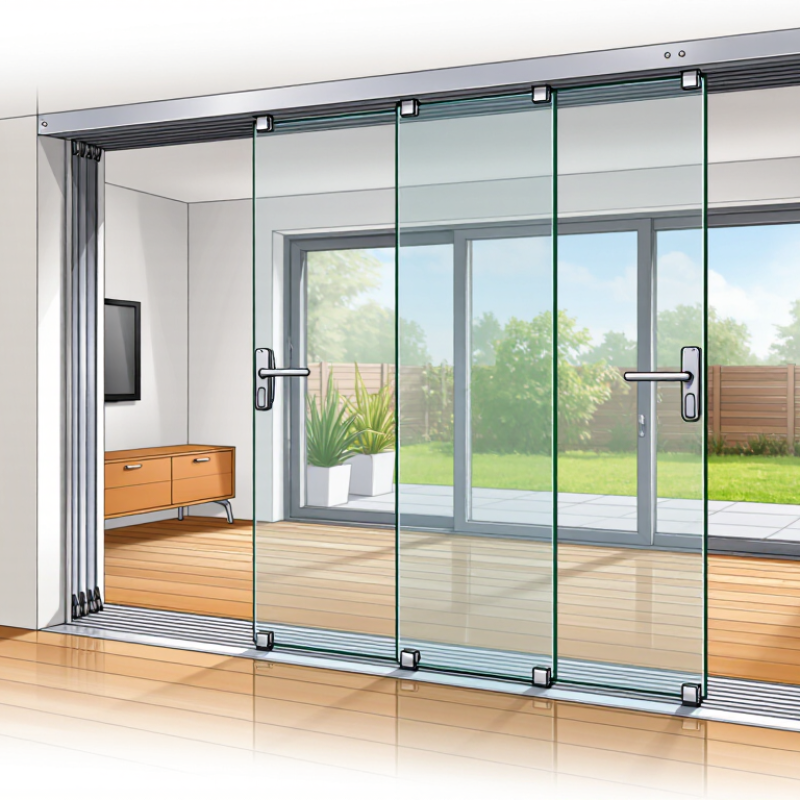
Window sliding doors are glazed door systems that open by moving horizontally along a fixed track. Unlike hinged doors, they do not swing into a room or walkway. One panel usually stays fixed, while another slides behind it or beside it. Small rollers carry the moving panel, and a handle activates the locking mechanism. Weather seals around the frame help reduce drafts, dust, and outside noise.
Their main feature is efficient use of space. A sliding panel can connect a living room with a patio without needing clearance for a swinging door. Large glass areas also bring daylight into darker interiors and improve outdoor visibility. However, more glass can increase heat gain, glare, and cleaning work. The frame, glass type, track quality, and installation accuracy all affect performance. A slightly uneven track may cause dragging, rattling, or premature roller wear. They are practical, but not maintenance-free.
Tips:
Check that the track feels smooth before buying. Ask about insulated glass and low-emissivity coatings for better temperature control. Keep the bottom track free from grit and leaves. Wipe it regularly with a soft brush and damp cloth. Do not force a stiff panel. The problem may be alignment, damaged rollers, or a worn seal. Professional inspection is wise when the door leaks air, resists movement, or fails to lock securely.
Key Components and Their Functions
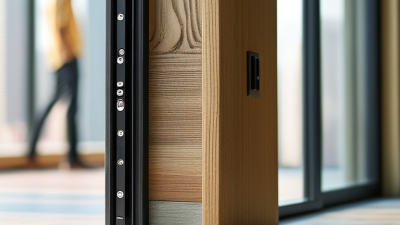
Window sliding doors combine the daylight of a window with the access of a doorway. Their operation depends on several coordinated components. The frame supports the opening and transfers loads into the wall. Sliding panels carry insulated glass, handles, locks, and rollers. Rollers sit beneath each moving panel, allowing it to glide along a metal or reinforced track. The track must remain straight and clean. Small debris can create surprisingly high resistance.
Weatherstripping seals the meeting rails and panel edges. It limits drafts, rain intrusion, and outdoor noise. The sill usually includes drainage channels that guide water outside. Anti-lift blocks also help prevent the panel from being lifted from its track. These details matter because the U.S. Department of Energy estimates that window heat gain and loss represent about 25–30% of residential heating and cooling energy use. Lower U-factor glass reduces heat transfer, while solar heat gain coefficient affects sunlight entering the room. These ratings appear on National Fenestration Rating Council labels.
Installation still decides much of the real-world performance. A correctly rated door can leak air if the frame is twisted or the sill lacks proper support. I have seen rollers wear quickly when panels are forced across an uneven track. Perfect operation is not guaranteed. Regular cleaning, drainage checks, and light hardware inspection can reveal problems early. Industry testing offers useful guidance, but site conditions deserve equal attention.
How Window Sliding Doors Operate Step by Step
What Are Window Sliding Doors and How Do They Work?
How Window Sliding Doors Operate Step by Step
Window sliding doors move horizontally along a fixed track. Unlike hinged doors, they do not swing into a room or walkway. Their operation begins when you apply light pressure to the handle. This releases the latch and allows the active panel to move.
Small rollers carry the panel’s weight. They sit inside the lower frame and travel along the track. As you slide the door, the rollers reduce friction and keep the panel aligned. The upper guide prevents excessive movement, while the frame supports the glass. Smooth movement matters. A rough track can increase strain and damage the rollers over time.
When the panel reaches the open position, it overlaps the fixed panel or rests beside it. Closing reverses the process. The rollers guide the panel back, and the latch engages with the receiving frame. Weather seals then compress around the edges, limiting drafts, dust, and moisture. A properly adjusted latch should close firmly without forcing the handle.
The details are easy to overlook. Dirt in the track can make a well-built door feel faulty. Cleaning the channel and checking roller movement can reveal problems early. Still, adjustment is not always simple. Even experienced installers may need to correct frame alignment after settling or temperature changes. If the glass shifts, the frame bends, or the lock fails, professional inspection is the safer choice.
Common Types and Suitable Applications
What Are Window Sliding Doors and How Do They Work?
Common Types and Suitable Applications
Window sliding doors combine a glazed window system with a walk-through opening. Their panels move horizontally along upper and lower tracks. One panel usually stays fixed, while another slides behind or beside it. Rollers carry the panel’s weight, and perimeter seals reduce drafts, dust, and rain entry. The main types include two-panel sliders, three-panel systems, stacking doors, and lift-and-slide designs. Lift-and-slide doors rise slightly when the handle turns, reducing roller friction during operation. That mechanism feels smoother. Yet, it requires accurate installation and regular track cleaning.
Two-panel units suit bedrooms, compact patios, and small balconies. Three-panel and stacking systems create wider openings for living rooms, restaurants, and garden-facing spaces. Pocket sliders disappear into a wall cavity, but they need careful structural planning and accessible maintenance. In colder or hotter regions, buyers should compare U-factor and solar heat gain coefficient values. The U.S. Department of Energy reports that windows can account for 25–30% of residential heating and cooling energy use. Better glazing and tighter seals may reduce losses, although door orientation, shading, and installation quality also matter. The National Fenestration Rating Council’s labeling system helps compare these performance values. Numbers can still mislead without climate context. A low U-factor may not be ideal where winter sunlight provides useful heat. Designers should also check threshold height, drainage, opening width, and accessibility before selecting a system.
Advantages, Limitations, and Maintenance Needs
What Are Window Sliding Doors and How Do They Work?
Window sliding doors use horizontal panels that move along rollers inside a track. One panel may remain fixed, while another glides beside it. This design creates a wide opening without requiring swing space. It suits balconies, patios, and rooms with limited floor area. Large glass panels also bring in daylight and improve outdoor views. When properly installed, the movement feels smooth and requires little force.
Their main advantage is efficient space use. They can also support natural ventilation and make indoor areas feel larger. However, sliding doors have limitations. The track needs accurate installation and regular cleaning. Dirt, sand, or small stones can interrupt the rollers. The opening may also be narrower than the full frame width. Glass panels can reduce privacy and may increase heat gain without suitable shading. Security depends on strong locks, safe glass, and a correctly fitted frame.
Maintenance is simple but not optional. Vacuum the track every few weeks, especially after windy weather. Wipe the rollers and frame with a soft, damp cloth. Avoid harsh chemicals that could damage seals or finishes. Check for loose handles, worn weather-stripping, and water around the lower track. A stiff panel often signals debris or roller wear, not a need for force. Do not push harder. In practice, no sliding system stays perfect forever. Professional adjustment may be needed when gaps, drafts, or grinding sounds appear. Even small alignment problems can worsen during seasonal temperature changes.
What Are Window Sliding Doors and How Do They Work?
Window sliding doors consist of one or more panels that move horizontally along tracks. Rollers support the moving panel, while frames, seals, locks, and drainage channels help improve operation, weather resistance, and security.
Advantages, Limitations, and Maintenance Needs
Sliding doors provide wide openings, natural daylight, and space-efficient operation because the panels move parallel to the wall instead of swinging into a room. Their main limitations include track contamination, roller wear, reduced ventilation when only part of the opening can be used, and weather-seal performance that depends on proper installation and upkeep.
The chart shows typical residential maintenance intervals. Clean tracks and drainage channels about every six months, inspect seals and hardware annually, and lubricate compatible moving parts according to the door manufacturer's instructions. Local climate, usage, and installation quality can change these intervals.