What is a Fire Resistant Curtain and How Does it Ensure Safety in Buildings

In the realm of building safety, fire resistant curtains play a crucial role in enhancing fire protection and preventing the spread of flames and smoke. These specialized curtains are designed to create barriers that effectively compartmentalize areas within a structure, thereby protecting occupants and minimizing damage during a fire incident. Understanding what a fire resistant curtain is, as well as its functionalities, is essential for architects, engineers, and building managers committed to ensuring the safety and integrity of their environments.

A fire resistant curtain is not merely a decorative element; it is a vital safety feature that contributes to a comprehensive fire protection strategy in commercial and residential buildings alike. Made from materials that can withstand high temperatures and prevent the passage of smoke, these curtains are strategically deployed to improve emergency response efforts and protect escape routes. As we explore how fire resistant curtains operate and their significant benefits, it becomes clear that these installations are indispensable in mitigating risks associated with fire hazards, ultimately fostering safer spaces for occupants and first responders.
What is a Fire Resistant Curtain and How Does it Ensure Safety in Buildings

Definition and Purpose of Fire Resistant Curtains in Building Safety

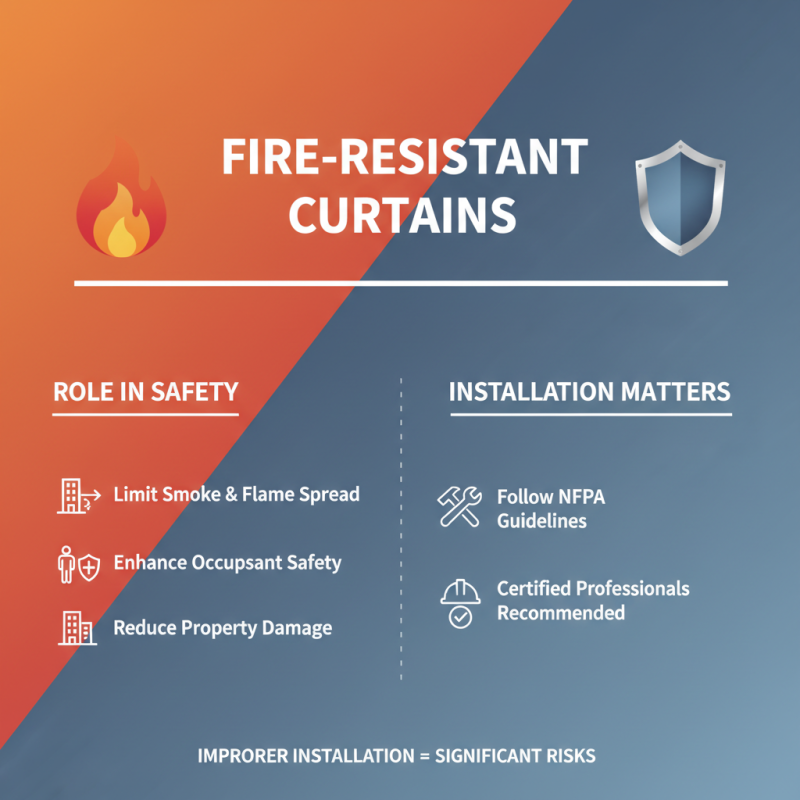
Fire resistant curtains play a crucial role in enhancing safety in buildings by acting as a vital barrier against the spread of smoke and flames. These specialized curtains are constructed from materials designed to withstand high temperatures, effectively slowing down the progress of fire. Their primary purpose is to compartmentalize a space, allowing occupants more time to evacuate while minimizing damage to property. This feature is especially important in places like commercial buildings, hospitals, and schools, where large numbers of people need to exit safely during an emergency.

In addition to their protective characteristics, fire resistant curtains contribute to smoke control by helping to manage airflow within a building. By containing smoke within specific areas, they prevent smoke from spreading rapidly, which can often be more dangerous than the fire itself. This control is essential for ensuring visibility and maintaining breathable air in escape routes. Furthermore, buildings equipped with these curtains may comply with local building codes and fire safety regulations, thereby reinforcing the overall safety strategy of the property. The integration of fire resistant curtains into a building's design not only enhances safety but also fosters a proactive approach to fire prevention and emergency management.


Materials Used in Fire Resistant Curtains and Their Fire Rating Standards

Fire resistant curtains are critical components in modern building safety systems, offering protection against fire and smoke. The materials used in these curtains play a pivotal role in their effectiveness. Typically, fire resistant curtains are constructed from fiberglass or specialized polyester blends that have been treated with fire-retardant chemicals. These materials help to prevent the spread of flames and limit heat transfer, crucial for containment in case of a fire incident.

In terms of fire rating standards, many fire resistant curtains adhere to classifications set forth by organizations such as the National Fire Protection Association (NFPA) and Underwriters Laboratories (UL). For instance, curtains that are rated as Class A, according to ASTM E84 testing, exhibit the lowest flame spread and smoke development ratings. Reports indicate that curtains meeting these stringent criteria can withstand high temperatures for extended periods, often exceeding 120 minutes, helping to enhance the overall safety of egress routes in commercial buildings. Moreover, ongoing advancements in material technology continue to improve the performance and reliability of fire resistant curtains, reinforcing their role as vital safety features in fire prevention strategies.

Fire Resistance Ratings of Different Materials Used in Fire Resistant Curtains

This chart illustrates the fire resistance ratings of various materials commonly used in fire resistant curtains. The ratings are measured in minutes for how long the materials can withstand fire exposure.

How Fire Resistant Curtains Work to Contain and Control Fire Spread

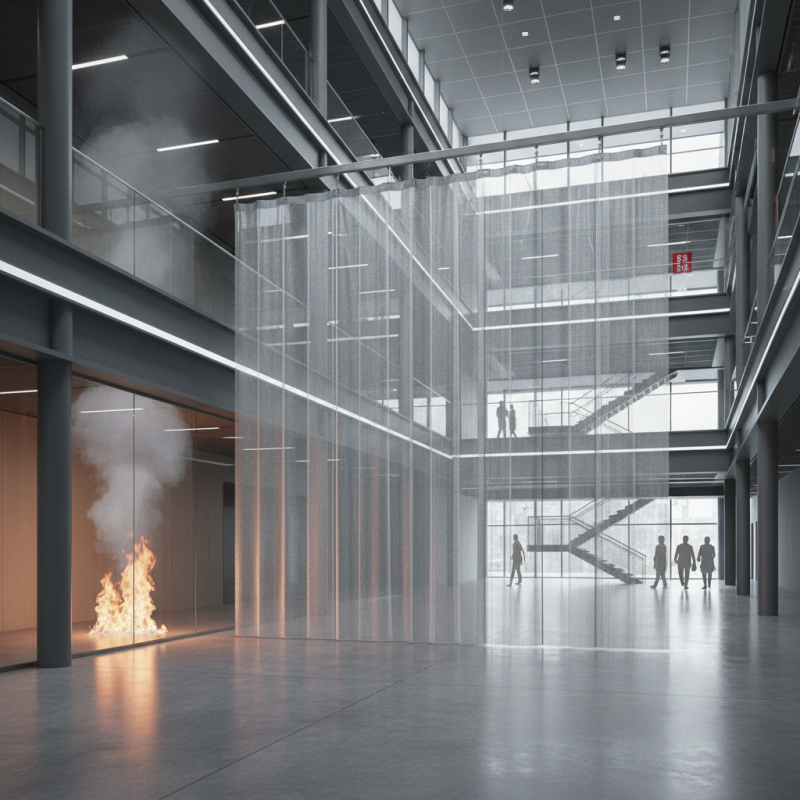
Fire resistant curtains are integral components in modern building safety systems, specifically designed to contain and control the spread of fire. These curtains are made from specialized materials that can withstand high temperatures, preventing flames and smoke from moving freely through different sections of a building. The primary function of these curtains is to create a barrier, effectively compartmentalizing spaces to confine fire and its products, allowing occupants more time to evacuate and enabling first responders to navigate the location more safely.

The operation of fire resistant curtains is reliant on advanced technologies that enable them to deploy automatically in the event of a fire detection. When activated, these curtains descend from the ceiling or retractible housing, sealing off designated areas. In addition to physical barriers, many fire resistant curtains are treated with fire-retardant coatings, enhancing their effectiveness. By controlling airflow and limiting smoke spread, these curtains play a crucial role in enhancing visibility and reducing inhalation risks during an emergency. Their strategic placement within a building significantly contributes to overall safety protocols, aligning with fire regulations and building safety standards.

What is a Fire Resistant Curtain and How Does it Ensure Safety in Buildings

Feature Description Functionality Fire Resistance Level
Material Made from fire-retardant fabrics Prevents flames from passing through Class A (up to 2 hours)
Deployment Mechanism Manual or automatic in emergency situations Blocks off fire zones Class B (up to 1 hour)
Usage Location Corridors, doorways, and openings Prevents fire from spreading between compartments Class C (up to 30 minutes)
Maintenance Regular inspections and cleaning Ensures functionality during emergencies N/A
Compliance Standards Meets local fire regulations Ensures safety in public and private buildings Varies by jurisdiction

Installation Guidelines for Fire Resistant Curtains in Commercial Buildings

What is a Fire Resistant Curtain and How Does it Ensure Safety in Buildings

Fire resistant curtains play a crucial role in enhancing the safety of commercial buildings, acting as barriers to limit the spread of smoke and flames during a fire incident. When installing these curtains, it's essential to follow specific guidelines to ensure optimal effectiveness. According to the National Fire Protection Association (NFPA), improper installation can lead to significant safety risks, including increased property damage and potential harm to occupants. It is recommended that installation be performed by certified professionals familiar with local building codes and fire safety regulations.

When planning the installation of fire resistant curtains, several factors must be taken into account. The curtains should be placed in strategic locations such as corridors, exit routes, and around high-risk areas like kitchens or mechanical rooms. Ensure the materials used meet established fire rating standards; for instance, curtains should ideally have a minimum rating of 45 minutes to withstand the spread of flames. Furthermore, regular inspections and maintenance should be part of the building's safety protocol to guarantee that these curtains are functional in case of an emergency.

Tips: Always consult with fire safety experts during the planning phase to select materials that meet or exceed local safety standards. Implement a routine inspection schedule to check the integrity and operational functionality of the curtains. Lastly, ensure that all employees are trained on the importance and functionality of fire resistant curtains, fostering a culture of safety within the workplace.

Maintenance Practices for Ensuring Effectiveness of Fire Resistant Curtains

What is a Fire Resistant Curtain and How Does it Ensure Safety in Buildings

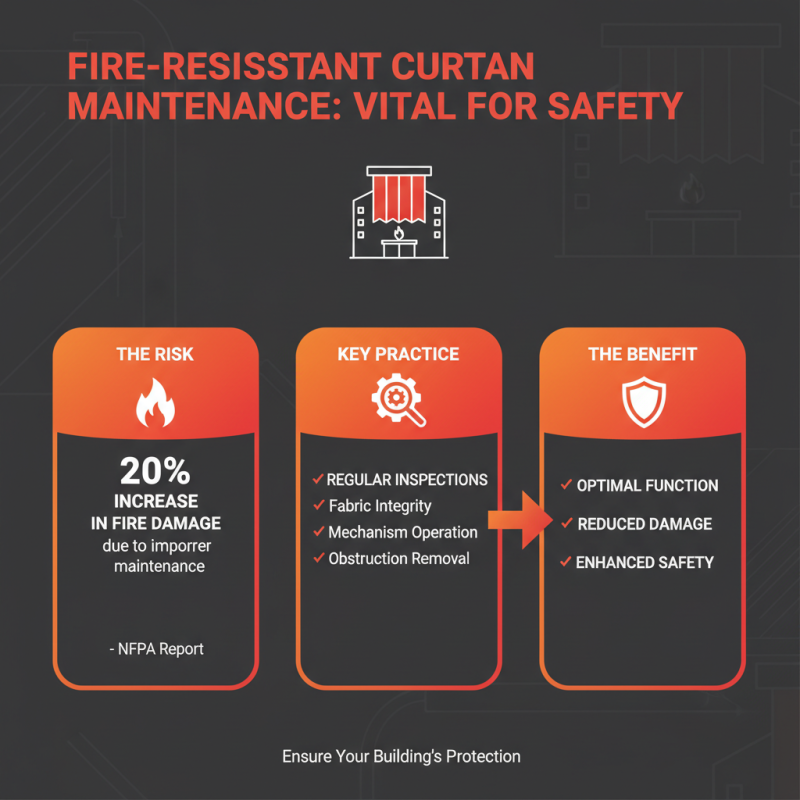
Maintenance practices are vital for ensuring the effectiveness of fire resistant curtains in buildings. According to a report by the National Fire Protection Association (NFPA), improper maintenance of fire safety systems can lead to a 20% increase in potential fire damage. Regular inspections are essential to identify wear and tear, ensuring that curtains are functioning optimally. These inspections should examine the integrity of the fabric, the operation of the mechanisms, and any potential obstructions that may prevent the curtains from deploying as intended.

In addition to inspections, regular cleaning is crucial. Dust and debris can accumulate on fire resistant curtains, impacting their performance during an emergency. An analysis from the Fire Protection Research Foundation indicated that maintaining cleanliness can improve the response time of safety systems by up to 15%. Furthermore, it is advisable to follow the manufacturer’s guidelines for maintenance frequency and procedures to guarantee that the curtains uphold their protective capabilities in the event of a fire. Documenting maintenance activities also creates a reliable history that can assist in compliance audits and ongoing safety evaluations.