In the realm of home design, the significance of walls and windows cannot be overstated. Renowned interior designer Sarah Johnson emphasizes, "Walls and windows shape not just the room, but the emotions within it." This insight reflects the transformative potential of these elements in any living space.
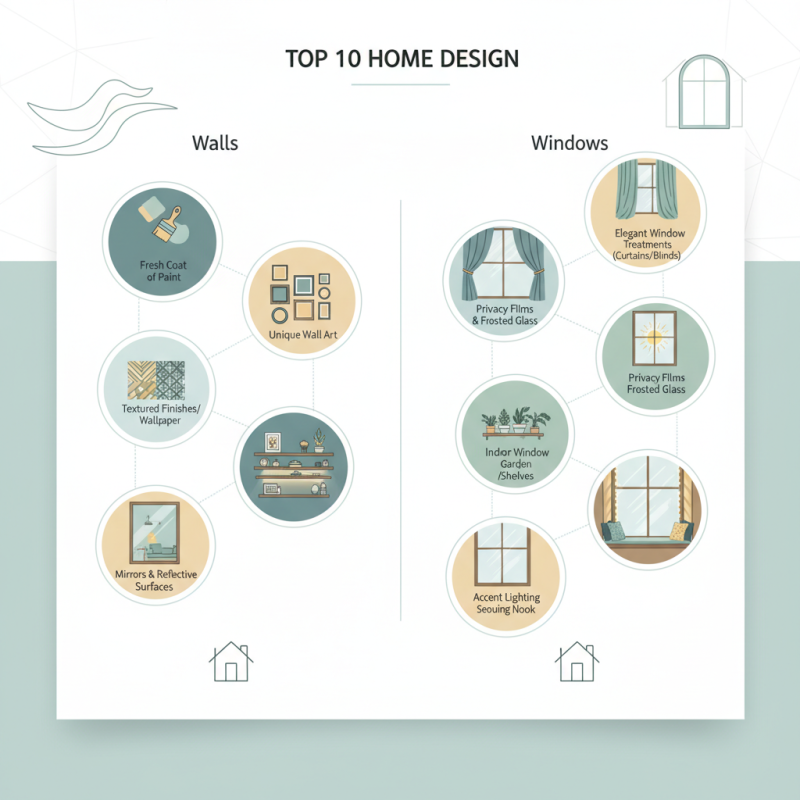
When considering how to enhance your walls and windows, it’s vital to think creatively. A fresh coat of paint or unique wall art can make a striking impression. Similarly, elegant window treatments can influence the way light fills a room, impacting its atmosphere. However, achieving such enhancements often proves challenging.
Many overlook the potential of their walls and windows. A simple design choice can impact the overall aesthetic, yet some may fear bold decisions. Embracing change can be daunting but necessary for growth in design. Reflecting on what can elevate these features is crucial for creating a home that resonates with your personal style.
Bold colors and patterns can transform any space. They create visual interest and can dramatically impact your home’s design. A recent study by the National Kitchen and Bath Association found that 70% of homeowners prefer rooms with vibrant, expressive colors. Walls that pop can energize a room, making it feel fresh and inviting.
Consider adding a bright accent wall in a living room. This can be achieved with paint or wallpaper featuring dynamic patterns. Geometric shapes are particularly in vogue right now. They can add depth and create a sense of movement. Research indicates that incorporating bold designs can also improve mood. Colors like blue and yellow are known for their uplifting effects.
[Image] Window treatments are another area to enhance. Patterns on curtains can tie a room together beautifully. A well-placed floral or abstract design could harmonize with your wall colors. Yet, it’s essential to balance bold choices with some neutral elements. Too much can feel overwhelming. Reflecting on the balance between vibrancy and calm is crucial in design. Finding that sweet spot can be a rewarding challenge.
Artwork can dramatically transform your walls and windows. Using frames adds a dimension that enhances visual appeal. Consider a mix of styles and sizes for a dynamic arrangement. Choose a bold centerpiece to draw attention. This can lead to an eclectic feel that sparks conversation.
When hung thoughtfully, even simple pieces become focal points. Large landscapes can bring depth to a room. Small, colorful sketches can create a playful atmosphere. The key is balance. A cluttered wall can feel overwhelming, while a sparse one may look bare. Reflect on what emotions you want to evoke in your space.
Experiment with placement. Don't be afraid to move pieces around. What might seem right at first can feel off later. Sometimes, art created by loved ones can add a layer of nostalgia. Frame reminders of special moments—they can make great wall accents. This personal touch can elevate the overall design, turning your home into a canvas of memories.
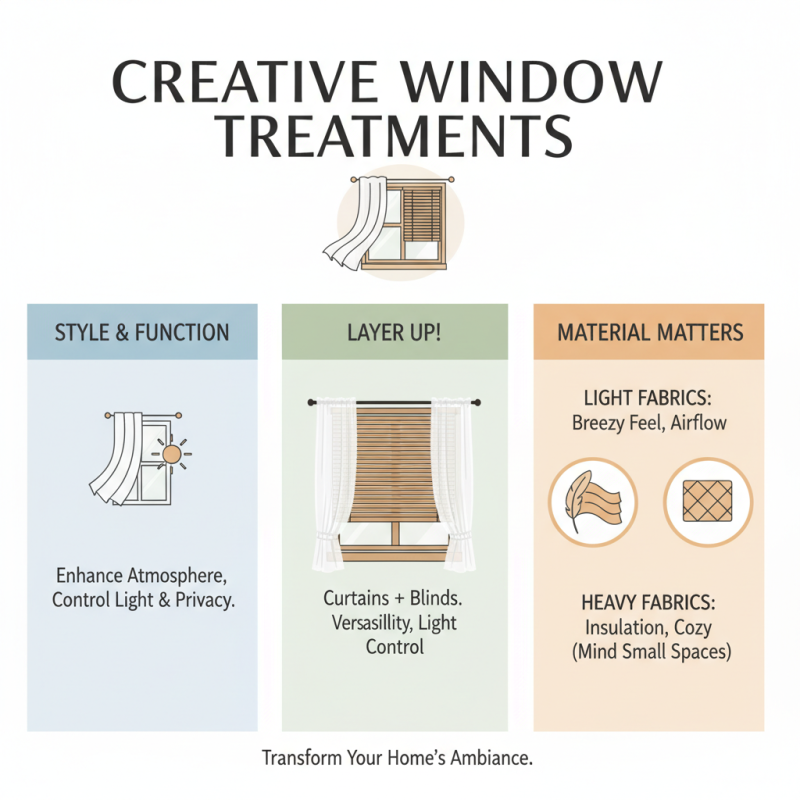
Creative window treatments can transform your home’s atmosphere. When thoughtfully designed, they enhance both style and function. Consider layering curtains with blinds. This combination offers versatility, allowing for light control and privacy management. Choose light fabrics for a breezy feel, but don’t forget about practicality. Heavy materials can be excellent for insulation but may overwhelm a small space.
Natural elements can also elevate window treatments. Think wooden shades or bamboo curtains. They bring warmth and an organic touch. However, remember to balance aesthetics with maintenance. Light-colored fabrics may stain easily. A deep hue, while stylish, might make a room feel smaller. Experimenting with patterns can be exciting, but be cautious. Overly bold designs can clash with your décor palette, creating visual chaos.
Consider using statement hardware for an added flair. Unique curtain rods or tiebacks can serve as art pieces in their own right. This detail draws the eye and enhances overall design. However, ensure that these choices complement rather than compete with your existing decor. Creating a harmonious look is often more challenging than it seems. Think about how each element interacts with others to achieve cohesive beauty.
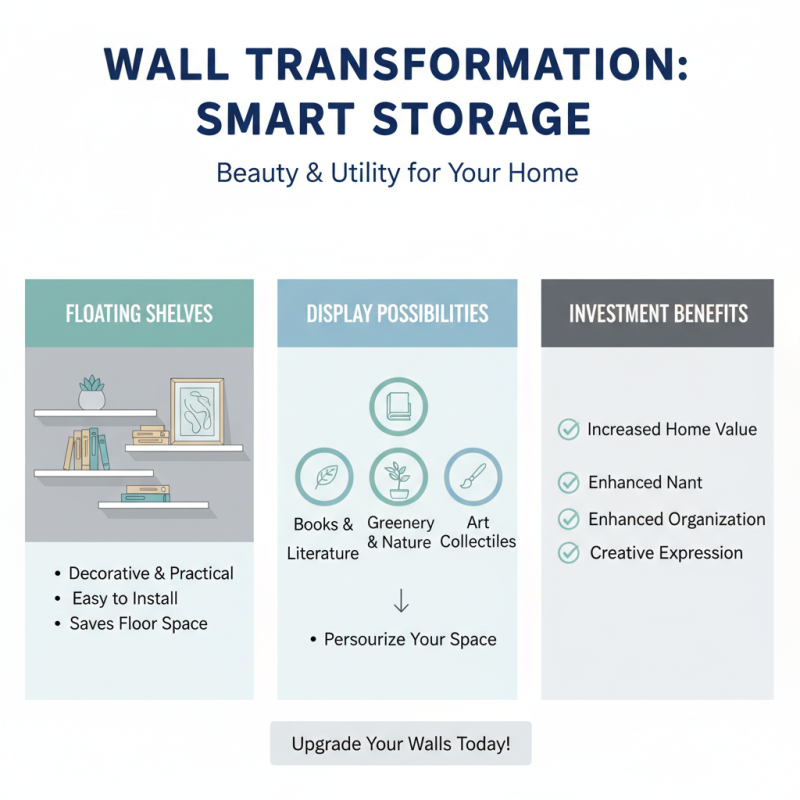
Transforming your walls with functional elements is a thoughtful investment. Consider adding shelving that is not only decorative but also practical. Floating shelves can display books, plants, or art. They invite creativity and utility to your spaces.
When installing shelves, placement matters. High shelves can draw the eye upward, making a room feel larger. However, too many shelves can create clutter. It's essential to balance style with function. A single, well-placed shelf with curated items can make a statement.
Integrating wall décor with shelves offers an opportunity for personalization. Use different materials like wood or metal to contrast your existing decor. This adds depth to the walls. Just remember, less can often be more. Reflect on what you truly love and display that. Create a space that inspires and comforts, rather than overwhelms.
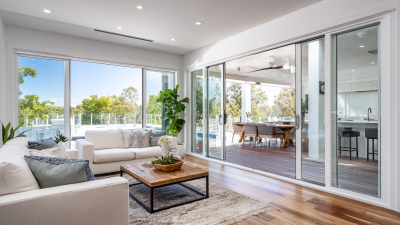
Natural light can transform a space. A well-placed window can illuminate a room beautifully. Consider the direction of sunlight throughout the day. East-facing windows capture morning light. This creates a warm, inviting atmosphere. South-facing windows maximize light during the day, making spaces feel larger and more open.
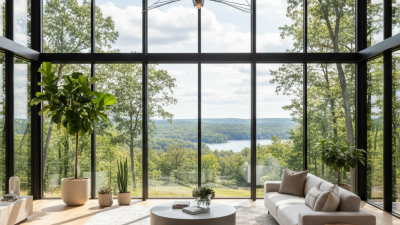
Window design adds character to your home. Large windows blur the line between indoors and outdoors. They invite nature inside. However, this can lead to challenges in maintaining privacy. Strategically placed trees or outdoor screens can help. Remember, not every window needs to be expansive. A small, thoughtfully positioned window can create a cozy nook.
Reflect on your space's layout. Unused corners could benefit from window enhancements. Perhaps consider a skylight for areas lacking light. This might seem complex but can yield impressive results. Experimenting with different placements can reveal unexpected joys. Don’t rush the decision; allow your space to breathe and evolve.
| Idea Number | Design Idea | Description | Benefits |
|---|---|---|---|
| 1 | Large Windows | Incorporate large windows in living areas to create a bright atmosphere. | Enhances natural light and offers beautiful outdoor views. |
| 2 | Mirrored Walls | Use mirrors as wall art to reflect light and space. | Makes spaces feel larger and brighter. |
| 3 | Skylights | Install skylights in upper floors or bathrooms for added light. | Provides additional light sources and reduces energy costs. |
| 4 | Transom Windows | Add transom windows above doors for extra light. | Enhances entryway light and design detail. |
| 5 | Open Shelving | Replace upper cabinets with open shelves to create an open feel. | Allows more light to disperse in the kitchen or living area. |
| 6 | Color Schemes | Choose light colors for walls to reflect more natural light. | Helps make rooms feel more spacious and airy. |
| 7 | Window Treatments | Use light, airy fabrics for curtains to maximize light when open. | Provides privacy while maintaining a light-filled room. |
| 8 | Landscaping | Trim back trees and bushes that block sunlight to windows. | Increases natural light entering your home. |
| 9 | Focal Point Windows | Design unique, focal point windows for intriguing aesthetics. | Draws the eye and enhances overall room design. |
| 10 | Glass Doors | Use glass doors to seamlessly connect indoor and outdoor spaces. | Increases light flow and enhances connectivity with nature. |