2025 How to Efficiently Design Curtain Wall Construction for Modern Buildings

In the realm of modern architecture, the design and implementation of curtain wall construction play a pivotal role in shaping the aesthetics, functionality, and energy efficiency of buildings. As urban landscapes evolve and the demand for innovative structures increases, architects and engineers must harness advanced technologies and sustainable practices to create curtain walls that not only complement the design narrative but also enhance the performance of the overall building envelope. The process of efficiently designing curtain wall construction necessitates a comprehensive understanding of materials, structural integrity, thermal dynamics, and environmental impact to ensure that these facades meet contemporary standards and expectations.

In approaching the challenges of curtain wall construction, it is essential to integrate cutting-edge design software and collaborative approaches among multidisciplinary teams. This synergy can lead to the development of bespoke solutions that cater to specific project requirements while adhering to the principles of sustainability. Additionally, addressing issues such as installation techniques, maintenance practices, and resilience against weather conditions will be crucial in advancing the efficiency and longevity of curtain wall systems. Ultimately, the exploration of innovative approaches to curtain wall construction will significantly contribute to the realization of modern buildings that are not only visually compelling but also exemplary in performance and durability.
2025 How to Efficiently Design Curtain Wall Construction for Modern Buildings

Overview of Curtain Wall Systems in Modern Architecture

2025 How to Efficiently Design Curtain Wall Construction for Modern Buildings

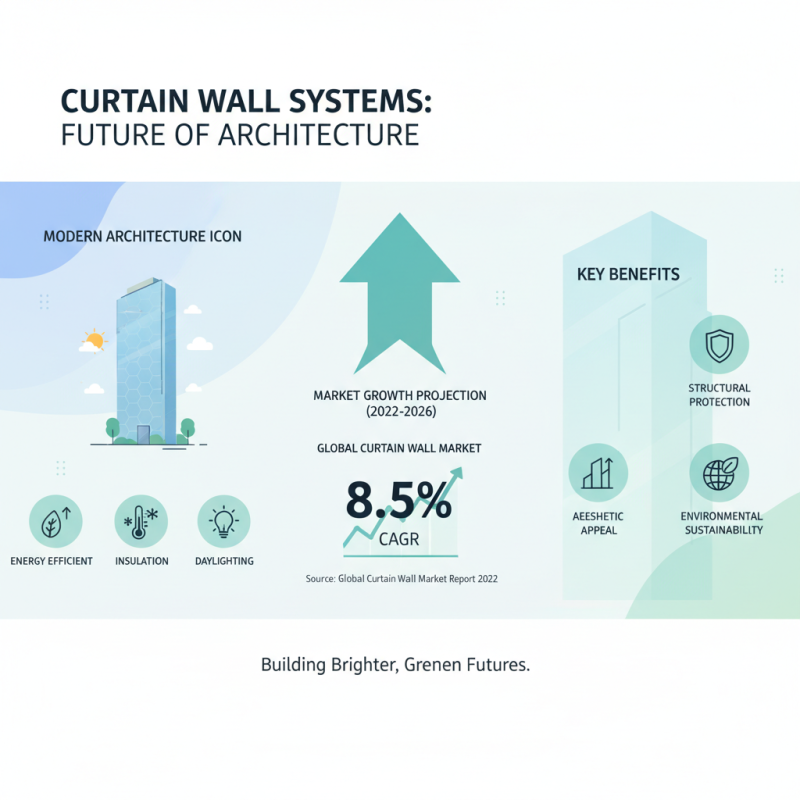
Curtain wall systems have become a defining feature of modern architecture, characterized by their ability to create aesthetically pleasing and functional building facades. As outlined in the "Global Curtain Wall Market Report 2022," the curtain wall market is projected to grow at a compound annual growth rate (CAGR) of 8.5% through 2026, reflecting a rising demand for energy-efficient and environmentally sustainable building designs. These systems are not just about covering the building's structure; they actively contribute to energy savings, insulation, and daylighting, which are essential in today’s sustainable architecture.

The integration of materials such as aluminum, glass, and high-performance coatings plays a significant role in enhancing the functionality of curtain walls. According to the "International Energy Conservation Code," buildings that utilize curtain wall systems can achieve significant reductions in energy consumption, with some designs promoting a decrease of up to 30% in heating and cooling loads. Furthermore, the advancement of technologies like double-skin facades and dynamic shading devices provides architects with innovative tools to optimize thermal performance while maintaining design integrity. As architects and builders continue to prioritize sustainability, the role of curtain wall systems in modern architecture will undoubtedly expand, leading to even more refined construction strategies by 2025.

Key Factors in Efficient Curtain Wall Design for 2025

2025 How to Efficiently Design Curtain Wall Construction for Modern Buildings

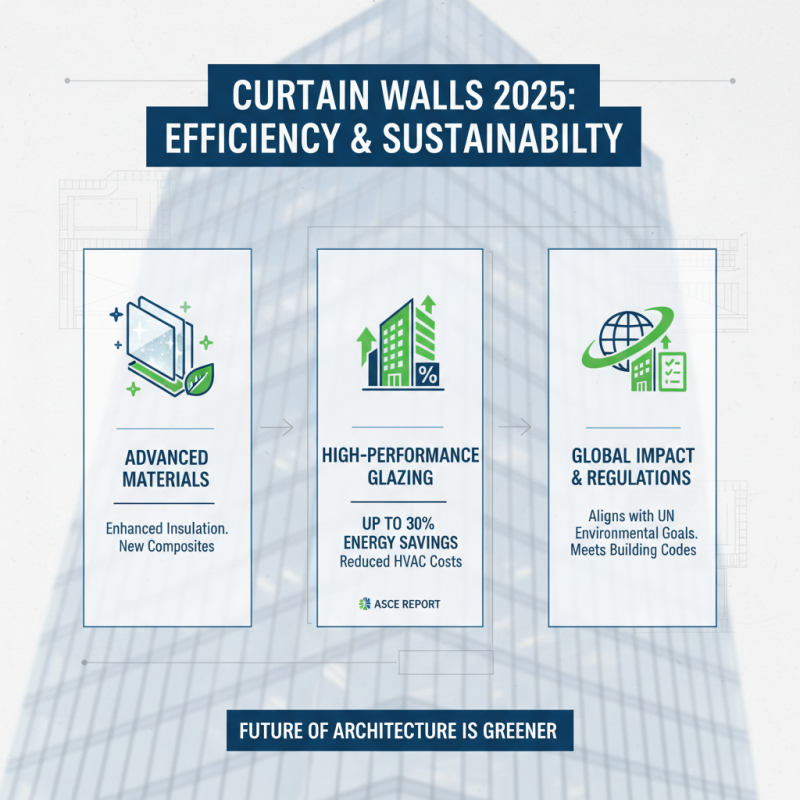
In 2025, the efficient design of curtain walls is more crucial than ever as the modern architecture landscape continues to evolve. A key factor in this efficiency is the integration of advanced materials and technologies that enhance insulation and energy efficiency. According to a report by the American Society of Civil Engineers, implementing high-performance glazing systems can improve a building's energy efficiency by up to 30%, drastically reducing heating and cooling costs. This emphasis on sustainability not only aligns with global environmental goals but also satisfies increasing regulatory demands for energy-efficient buildings.

Moreover, optimizing the structural design of curtain walls is essential for ensuring durability and reducing maintenance costs. Studies indicate that utilizing modular construction techniques can decrease the construction time of curtain walls by nearly 25%, allowing for quicker project completion without sacrificing quality. Effective planning and the use of structural simulations can aid in identifying the ideal materials and design configurations, ultimately leading to safer and more resilient buildings. As modern buildings adapt to urban environments, these factors underscore the importance of an innovative approach to curtain wall construction in 2025.

Sustainable Materials and Their Impact on Curtain Wall Construction

Sustainable materials have become a pivotal focus in the design and construction of curtain walls for modern buildings. The integration of eco-friendly resources, such as recycled aluminum, low-emissivity glass, and bio-based composites, not only enhances the environmental performance of these structures but also reduces their overall carbon footprints. By utilizing materials with lower life cycle impacts, architects and engineers can contribute to a building’s energy efficiency, ultimately leading to substantial reductions in operational costs and greenhouse gas emissions.

Moreover, the choice of sustainable materials can significantly influence the aesthetic and functional attributes of curtain walls. For instance, using natural materials can create visually appealing designs that resonate with the surrounding environment while promoting a sense of well-being among occupants. Incorporating innovative insulation technologies and green roofing systems in conjunction with durable materials allows for improved thermal performance and water resistance. By prioritizing sustainability in the selection of curtain wall components, the construction process becomes not only more efficient but also aligns with global sustainability goals, fostering a future where modern buildings are harmoniously integrated with nature.

Innovative Technologies and Techniques in Curtain Wall Installation

In the realm of modern architecture, the design and installation of curtain walls have evolved significantly, driven by innovative technologies and techniques. These advancements not only enhance the aesthetic appeal of buildings but also improve their energy efficiency and structural integrity. Among the most notable innovations are the use of prefabricated panels and advanced materials such as high-performance glass and insulated framing systems. These materials contribute to reducing construction time while ensuring durability and thermal performance.

Tips for efficient curtain wall installation include thorough planning and coordination among all stakeholders from the outset. Engage with architects, engineers, and contractors early in the design process to identify potential challenges and streamline the workflow. Implementing building information modeling (BIM) can facilitate visualization and collaboration, allowing for precise adjustments before construction begins. Additionally, consider integrating automated installation techniques that utilize robotic systems or specialized equipment, as these can enhance accuracy and reduce labor costs.

Another focus should be on sustainable practices within curtain wall design. Opt for materials that not only meet aesthetic requirements but also have a lower environmental impact. Utilize recycled materials and aim for designs that optimize natural light while minimizing heat loss. Regular training for the installation team on the latest technologies and techniques can also foster a culture of efficiency and innovation, ensuring that the project stays on track and within budget.

2025 How to Efficiently Design Curtain Wall Construction for Modern Buildings - Innovative Technologies and Techniques in Curtain Wall Installation

Technology/Technique Description Benefits Implementation Time Cost Estimate
Unitized Curtain Walls Pre-manufactured panels are assembled on site. Faster installation, reduced labor costs. 3-6 months $100-$200 per square foot
Double Skin Facades Two layers of glass create a thermal buffer. Energy efficiency, sound insulation. 4-8 months $150-$300 per square foot
BIM Integration Utilizing Building Information Modeling for design. Improved accuracy, reduced errors. Ongoing process $20,000 - $50,000 for software and training
3D Printing Additive manufacturing of facade components. Customization, reduced waste. 2-4 months Varies greatly based on design
Smart Glass Technology Glass that changes transparency based on environmental conditions. Enhanced comfort and energy savings. 3-6 months $100-$250 per square foot

Challenges and Solutions in Modern Curtain Wall Projects

The design and construction of curtain walls in modern buildings come with a unique set of challenges that necessitate innovative solutions. One significant challenge is ensuring structural integrity while maintaining energy efficiency. According to a report by the Global Fenestration Association, over 30% of a building's energy loss can occur through traditional window systems. This statistic underlines the necessity for advanced materials and designs that facilitate better insulation and reduce energy consumption. Innovative solutions like triple-glazing and use of low-emissivity (Low-E) coatings are being implemented to tackle these issues, enhancing thermal performance while still complying with rigorous safety standards.

Another pressing challenge involves the management of complex installation processes on high-rise buildings. The coordination between different trades—such as framing, glazing, and MEP (Mechanical, Electrical, and Plumbing) systems—can lead to significant inefficiencies and increased costs. According to a study by the National Institute of Building Sciences, coordination issues can lead to project delays of up to 15%. To mitigate these risks, Building Information Modeling (BIM) technology is increasingly adopted, allowing for improved visualization and collaboration among stakeholders throughout the construction process. By leveraging these advanced technologies, modern curtain wall projects can achieve not only improved efficiency but also higher-quality outcomes, ultimately enhancing the architectural aesthetics of built environments.

2025 Curtain Wall Construction Challenges and Solutions