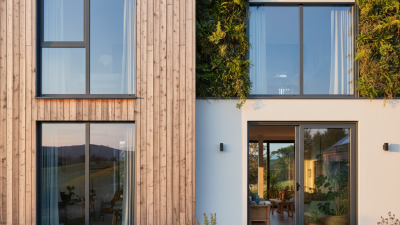
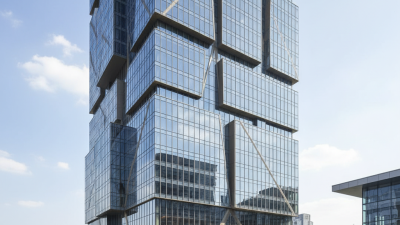
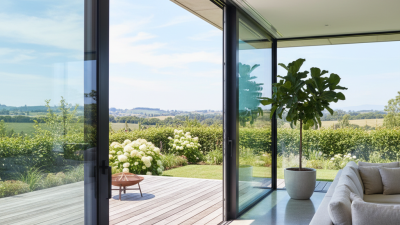
A curtain wall is an essential feature in modern architecture. This non-structural facade allows buildings to be both functional and aesthetically pleasing. Made of lightweight materials, the curtain wall typically consists of glass and metal. It enables large windows, offering expansive views and natural light.
The primary role of a curtain wall is to protect the building from environmental elements. It acts as a barrier against wind, rain, and heat. However, despite its numerous benefits, there are challenges to consider. Installation can be costly and complex, especially for tall structures. Improper installation can lead to leaks and energy inefficiencies.
Indeed, a curtain wall enhances the visual appeal of buildings. Yet, its performance relies heavily on skilled craftsmanship. Architects and builders must collaborate to avoid potential pitfalls. Despite the advancements in technology, oversight can still occur. Each project brings lessons, reminding us of the delicate balance between design and function.
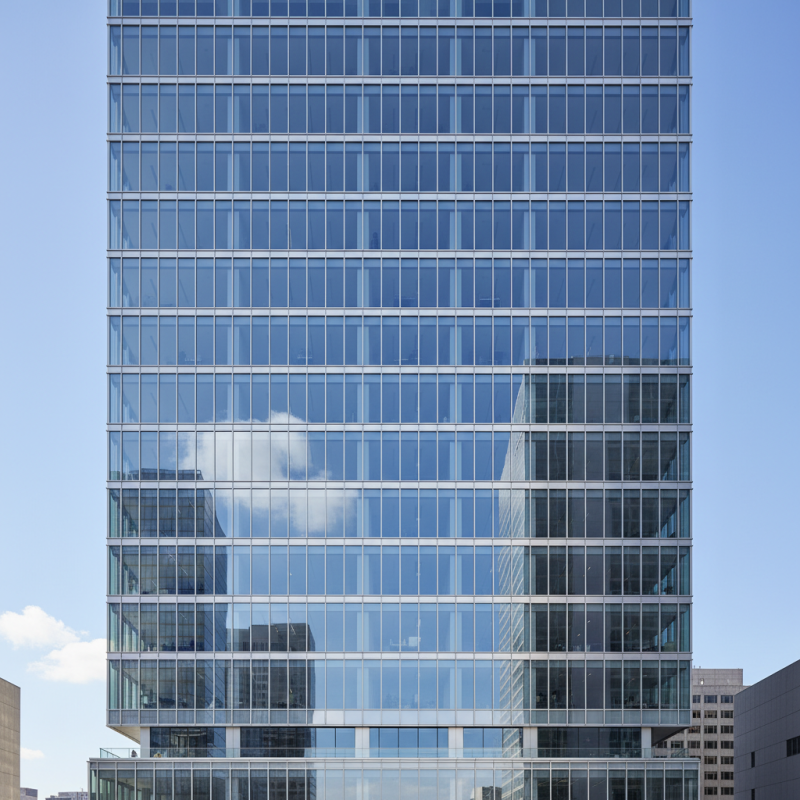
A curtain wall is a non-structural facade. It does not bear the building's load. Instead, it helps to protect the interior. The term refers primarily to lightweight materials. These can include glass, metal, and sometimes stone. Architects often favor curtain walls for their aesthetic appeal. They allow for large windows, enhancing natural light. This design trend is popular in modern architecture.
When designing a curtain wall, consider the environment. Make sure it fits the climate and surroundings. For instance, glass may need special coatings. This helps to reduce heat transfer and glare. Proper insulation is crucial too. It affects energy efficiency and comfort inside the building.
Tip: Always consult an expert when selecting materials. They can help you choose the best options for your project.
One challenge with curtain walls is maintenance. Cleaning can be difficult, especially at great heights. It’s important to incorporate easy access for maintenance teams. Regular inspections can help prevent damage. Inspect for cracks or leaks that may occur over time.
Tip: Using a durable design can save money long-term. Balance aesthetics with practicality to ensure longevity.

Curtain walls are non-structural cladding systems for buildings. They are primarily designed to keep weather elements out while allowing natural light in. The choice of materials greatly impacts their performance and aesthetics. Common materials include glass, aluminum, and various composites. According to the Global Curtain Wall Market Report, the market is projected to grow at a CAGR of 8.5% from 2021 to 2028. This growth indicates a rising interest in innovative materials and construction methods.
There are two main construction methods: unitized and stick-built systems. Unitized systems involve pre-fabricated panels assembled off-site. This can reduce construction time significantly. Stick-built methods are constructed on-site, which allows for greater flexibility but can lead to longer timelines. Research by the AAMA states that about 60% of new commercial buildings are opting for unitized systems due to efficiency. Yet, this method does involve higher upfront costs. Balancing cost efficiency with performance and aesthetics is often a challenge.
The selection of materials plays a critical role in insulation and energy efficiency. Enhanced thermal performance is essential for sustainability. However, poorly designed systems can lead to water infiltration and maintenance issues. An estimated 30% of curtain wall systems experience failures after installation. This highlights the need for careful planning and execution to avoid costly repairs.
Curtain walls are an important element in modern architecture. They offer a unique blend of aesthetics and functionality. These non-structural cladding systems provide protection without holding any weight from the building’s floors. This design permits a variety of materials, from glass to metals, creating impressive facades that reflect light and capture attention.
The structural role of curtain walls can be complex. While they are not load-bearing, they must withstand wind loads, rain, and thermal expansion. Engineers face challenges in ensuring these walls remain secure and durable over time. Proper installation is critical. Poorly sealed joints can lead to water leaks, which may cause damage inside the building. This issue highlights the need for careful design and execution.
Incorporating curtain walls can lead to energy efficiency. They can enhance natural light and reduce the need for artificial lighting. However, this approach requires careful consideration of insulating materials. The balance between aesthetics and energy performance is delicate. Designers must continually adjust their strategies to meet changing environmental standards. Addressing these imperfections can improve the overall success of architectural projects.
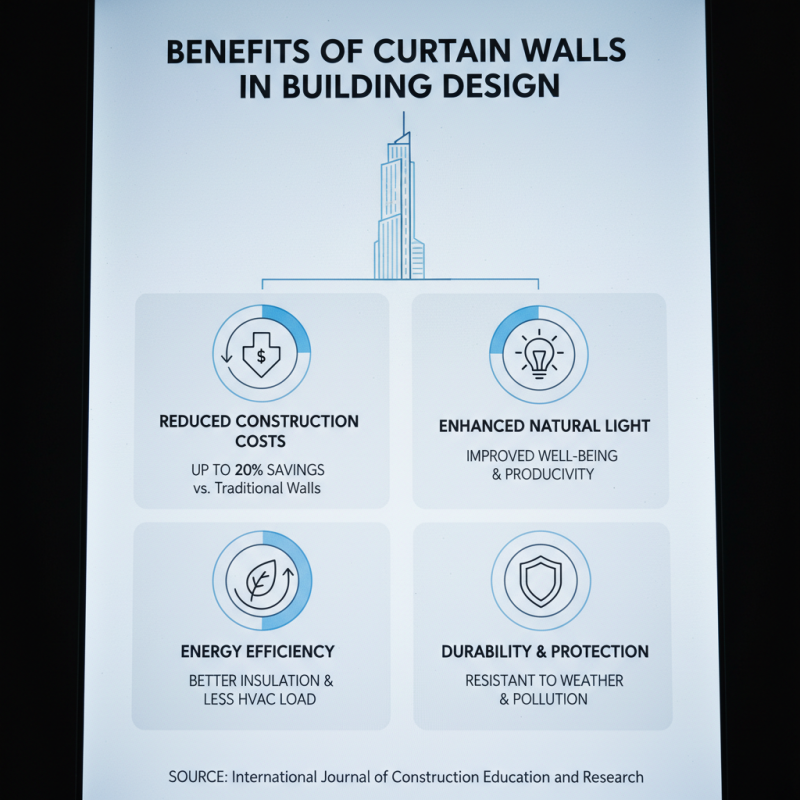
Curtain walls are becoming a popular choice in modern building design. They offer numerous benefits that can enhance both aesthetics and functionality. According to the International Journal of Construction Education and Research, curtain walls can significantly reduce construction costs, saving up to 20% compared to traditional solid walls.
One major advantage of curtain walls is their ability to improve energy efficiency. Buildings with curtain wall systems can reduce energy usage by up to 30%. This increase in energy performance can directly lead to lower utility bills and a lesser environmental impact. Additionally, the use of insulated glass in these walls can enhance sound insulation, creating quieter indoor environments.
Tips: When designing a building with curtain walls, consider the orientation of the structure. Proper orientation can maximize natural light and reduce reliance on artificial lighting. Also, ensure that your chosen materials have good thermal performance ratings. This can further optimize energy efficiency.
While curtain walls provide many advantages, they may present challenges. Installation can be complex and requires skilled labor. Proper maintenance is also essential to prevent water leakage issues. Furthermore, local climate conditions can affect their effectiveness, making it necessary to carefully assess the specific context before choosing this building system.
Curtain walls are non-structural cladding systems. They are commonly used in modern architecture to provide aesthetic appeal and weather protection. The installation of curtain walls involves several crucial steps, requiring skilled labor and detailed planning.
The process begins with careful site analysis. Proper measurements are essential. Next, a strong framework is erected. It typically comprises aluminum or steel supports. Then, glass panels or other material types are fitted into this framework. This step demands precision. Any misalignment can lead to leaks or structural weaknesses. Collectively, these elements must be bonded with sealants, ensuring durability against the elements.
Tips: Regular maintenance is vital. Inspect the seals and frames annually. Look for signs of wear or damage, as even minor cracks can lead to larger issues. Cleaning the glass surfaces is equally important. It enhances aesthetic appeal and allows for natural light to enter.
To keep the curtain wall functioning optimally, consider its thermal performance. A report indicated that poorly installed systems can lead to energy losses of up to 30%. Understanding this can change how we view curtain walls. Ignoring basic maintenance can cost more in the long run. Ensure the building envelope remains efficient and visually appealing.
| Aspect | Description |
|---|---|
| Definition | A non-structural external wall system that provides building facade while allowing natural light. |
| Components | Frames, infill panels, and connections to the building structure. |
| Installation Process | Preparation, setting frames, installing infill panels, finishing and sealing. |
| Materials Used | Glass, aluminum, steel, and insulation materials. |
| Maintenance | Regular cleaning, inspection for leaks, and checking for damage. |
| Benefits | Energy efficiency, aesthetic appeal, and flexible design options. |
| Common Applications | Commercial buildings, high-rises, and modern architectural designs. |