How to Choose the Right Window Systems for Your Home?

Choosing the right window systems for your home is crucial. Many homeowners struggle with this decision. Expert Mark Johnson, a leading figure in the window systems industry, once said, "The right windows can transform not just your home, but your lifestyle." This highlights the importance of selection.

Window systems come in various styles and materials. Vinyl, wood, and aluminum offer different aesthetics and energy efficiency. Each option has its pros and cons. You might find that a specific type enhances the overall look of your home. However, consider the long-term implications of your choice.

Think about your local climate. Windows must withstand elements while providing comfort. Quality matters. Poor choices may lead to leaks or drafts, impacting energy bills. Reflect on your needs. Sometimes, the most beautiful options may not be the most practical. Balancing form and function is key. Making an informed choice requires research and thought.

How to Choose the Right Window Systems for Your Home?

Understanding Different Types of Window Systems Available for Homes

When choosing window systems for your home, it's essential to understand the various options. Each type suits different needs and styles. For instance, double-hung windows are popular for their classic look. They allow for ventilation from both the top and bottom. This feature makes them practical for many homeowners. However, they may require more maintenance over time.

Another option is casement windows. They are hinged on one side and open outward, providing excellent airflow. Their sleek design also allows for unobstructed views. Yet, consider local weather conditions. In high winds, they might not be ideal. Sliding windows are also worth mentioning. They are easy to operate and perfect for wider spaces, but do they provide enough ventilation? Each choice has its trade-offs. Reflect on which aspects matter most to you. Will aesthetics win over functionality?
Evaluating Energy Efficiency Ratings of Window Systems

How to Choose the Right Window Systems for Your Home?

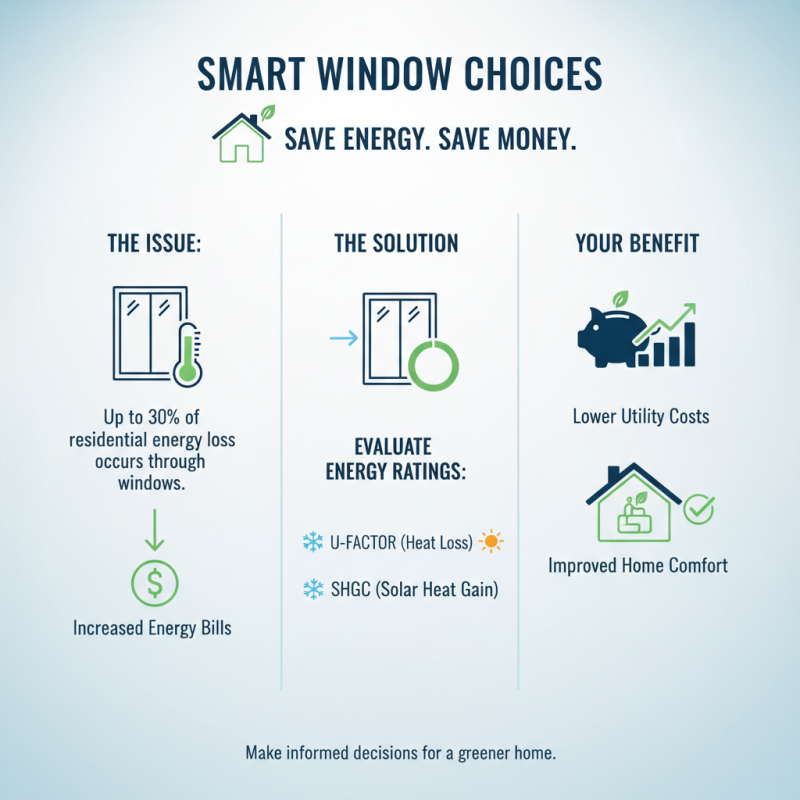
Evaluating energy efficiency ratings of window systems is crucial for homeowners. Windows account for up to 30% of residential energy loss. Understanding these ratings can lead to better decisions and savings.

The National Fenestration Rating Council (NFRC) provides energy performance ratings. Look for the U-factor, which measures heat transfer. A lower U-factor means better insulation. For example, windows with a U-factor of 0.30 or less are more efficient for colder climates. Also, check the Solar Heat Gain Coefficient (SHGC), which impacts cooling costs. An SHGC of 0.25 or lower is ideal for warmer areas.

Many homeowners overlook these details. It's common to prioritize aesthetics over efficiency. Yet, energy-efficient windows offer long-term financial benefits. An investment in quality window systems can reduce monthly energy bills. Choosing options with ENERGY STAR certification can also indicate superior performance and efficiency. Don't underestimate the impact these choices have on your comfort and expenses.

Assessing Aesthetic Options for Window Styles and Materials

When selecting window systems, aesthetics play a significant role. Consider various styles and materials that complement your home’s design. Wooden frames exude warmth and charm. Aluminum frames are sleek and modern. Vinyl options offer durability and low maintenance. Each choice impacts your home's overall look.

Tips: Match the window style to your architectural theme. Traditional homes may benefit from classic sash windows. Contemporary spaces often feel brighter with large, open panes. Don’t hesitate to mix materials for added character.

Think about energy efficiency too. Triple-glazed windows may be ideal for colder climates. This option is heavier on the wallet, but consider long-term gains. Sometimes, a less energy-efficient choice may enhance a specific aesthetic. Embrace the beauty in imperfections, ensuring every window tells its unique story.

Considering Climate and Weather Conditions in Window Selection

How to Choose the Right Window Systems for Your Home?

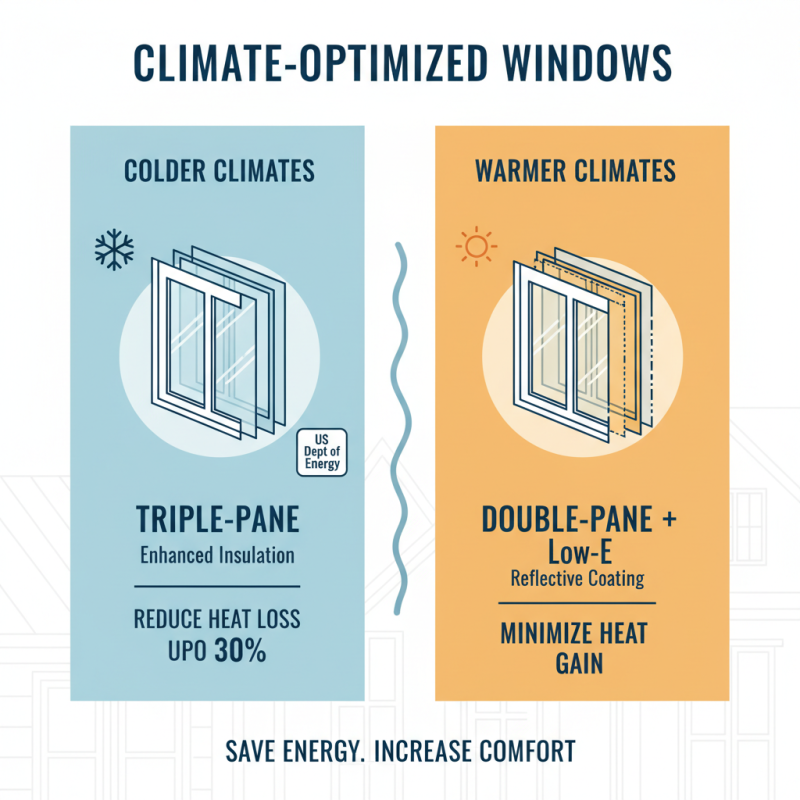
When selecting window systems, understanding local climate is crucial. Extreme temperatures can impact energy efficiency and comfort. For instance, homes in colder regions benefit from triple-pane windows, providing better insulation. According to the U.S. Department of Energy, well-insulated windows can reduce heat loss by up to 30%. This is significant for maintaining warmth in winter months.

Additionally, homes in areas prone to storms require reinforced windows. These windows protect against high winds and flying debris. A report from the Federal Emergency Management Agency states that impact-resistant windows can withstand winds up to 180 miles per hour. However, not all regions face such high threats, making it essential to assess local conditions carefully.

Moreover, installing low-emissivity (Low-E) glass can help manage heat gain in hot climates. This type of glass reflects infrared light while allowing visible light to enter. Research indicates that Low-E windows can lower cooling costs by around 10-25%. Yet, they can be pricier upfront. Homeowners need to weigh long-term savings against initial investments. Each climate demands specific considerations, and the wrong choice could lead to discomfort or costly repairs.

Budgeting and Cost Analysis for Purchasing and Installing Windows

When considering new window systems, budgeting is crucial. In 2022, the average cost for purchasing and installing windows ranged between $300 to $1,000 per window, depending on materials and energy efficiency. With a standard home having approximately 10 to 15 windows, costs can add up quickly. It’s essential to account for both the purchase price and labor costs. Installation can add another 10% to 20% to the overall budget.

Tips: Consider energy-efficient windows. They may have a higher initial cost but can save you money in heating and cooling bills. Research energy tax credits, which can further offset upfront expenses.

Additionally, remember to include potential hidden costs. Old window removal, permits, and any necessary repairs to the surrounding structure add to your budget. Some homeowners might overlook these factors, leading to financial strain. Always ask for detailed quotes that encompass all potential expenses. Being informed helps make a prudent investment.