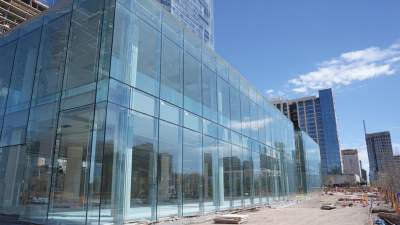
Choosing the right curtain wall system for your project can be challenging. Each project is unique. The curtain wall system impacts aesthetics, energy efficiency, and structural integrity. Understanding your project's needs is crucial.
Consider factors like climate, building height, and design vision. A well-chosen curtain wall system enhances performance and complements the architecture. Research various systems and materials. Our experience shows that minor details matter.
Consulting experts can eliminate costly missteps. A reliable curtain wall system should meet your project’s demands over time. Reflecting on your choices matters. Not all systems are perfect. Being aware of limitations ensures better decision-making.
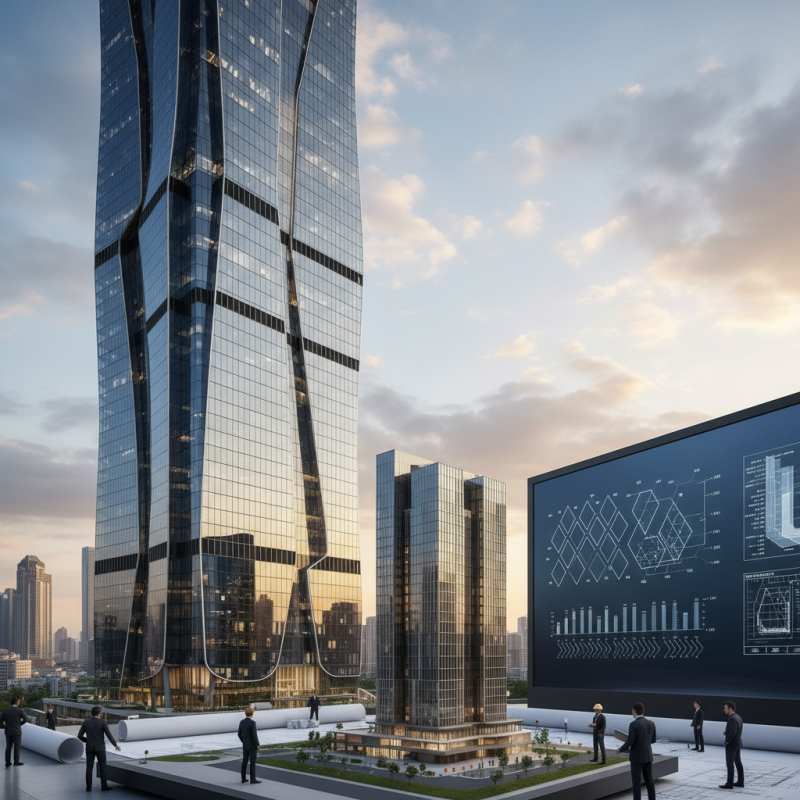
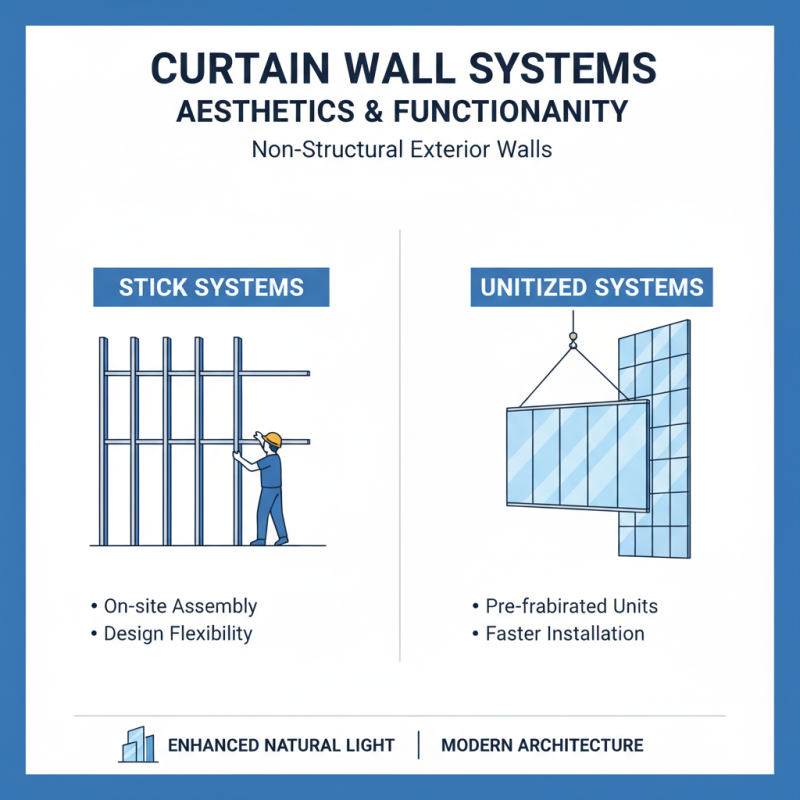
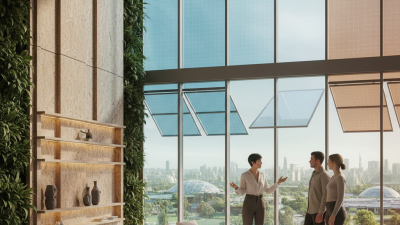
Curtain wall systems offer a blend of aesthetics and functionality in modern architecture. These systems serve as non-structural exterior walls, enabling large glass spans that enhance natural light. They can be categorized into two primary types: stick systems and unitized systems. Each type presents unique benefits. Stick systems require assembly on-site, providing flexibility. In contrast, unitized systems are prefabricated, reducing installation time.
Understanding the application of curtain walls is crucial for any project. They are ideal for high-rise buildings. Their ability to withstand wind loads is essential in urban environments. However, their thermal performance can be challenging. Designers must balance aesthetics and energy efficiency. Improper integration may lead to condensation issues. Selecting the right materials can mitigate such risks.
Evaluating a project's goals is paramount. Not all curtain wall systems suit every design. Durability, maintenance, and aesthetic appeal are vital factors. Engaging with architects and engineers early in the process helps address potential challenges. It encourages a thoughtful approach to curtain wall selection, enhancing the project's overall success.

Choosing the right curtain wall system involves various factors. It is crucial to prioritize energy efficiency and sustainability. Look for materials that provide good insulation. High-performance glazing can minimize heat loss and improve energy savings.
The structural integrity of the system is another vital consideration. Ensure that the wall can withstand local weather conditions and seismic activity. Consulting with structural engineers can provide necessary insights.
A balance between aesthetics and functionality is essential. Architects often emphasize the visual appeal of the system. However, practicality should never be sacrificed for looks.
Cost is a significant factor in decision-making. Budget constraints can limit options. It's essential to weigh initial costs against long-term benefits. Perhaps a more expensive system offers better durability. Consider the maintenance needs as well. Some systems may incur hidden costs over time. Each project has unique requirements. Critical reflection on these factors will lead to a suitable choice.
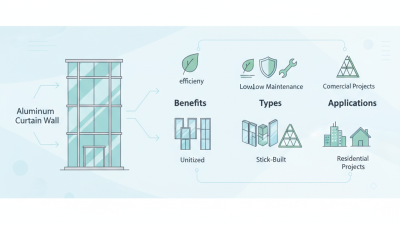
When selecting a curtain wall system, understanding the types available is crucial. There are mainly three categories: واحد, structural glazing, and semi-structural systems. Each type offers unique features, which impact design and performance. Unitized systems consist of pre-fabricated panels, making installation faster. However, this approach can limit design flexibility.
Conversely, structural glazing systems rely on glass panels bonded directly to framing. This design offers a sleek, modern aesthetic, but may pose challenges in terms of insulation. Finally, semi-structural systems combine both approaches, providing a balance between aesthetic appeal and performance. But, choosing this option can lead to complexities in sealing and weatherproofing.
It’s essential to consider the project's specific needs. Factors like climate, budget, and desired appearance play a significant role. Sometimes, a type appears suitable initially but leads to unforeseen issues during installation. Therefore, consulting with experienced professionals is recommended. Their insights can prevent costly mistakes and ensure the curtain wall system meets both functional and aesthetic expectations.
This chart illustrates the cost comparison of different types of curtain wall systems. Choosing the right system for your project involves considering not only the financial aspect but also the functional features and installation requirements associated with each type.
Choosing the right curtain wall system requires careful evaluation of performance criteria. Key factors include thermal efficiency, structural integrity, and water resistance. A well-insulated system significantly reduces energy costs. According to the Department of Energy, buildings account for 40% of energy use in the U.S. Enhancing thermal performance can lead to a reduction in overall energy consumption by up to 30%.
Water resistance is another crucial criterion. Improperly designed curtain walls may allow moisture infiltration, leading to significant damage over time. Research indicates that up to 70% of building failure issues arise from water-related problems. Selecting materials with proven durability is essential for long-term performance. Testing standards like ASTM E331 provide insights on water penetration under specified conditions.
Lastly, structural integrity should not be overlooked. The curtain wall system must withstand external forces such as wind and seismic activities. Failure to properly assess these factors can lead to catastrophic results. A study by the International Code Council highlights that inadequate structural performance contributes to over 25% of building envelope failures. Regularly reviewing and updating these performance metrics can guide better design decisions in future projects.
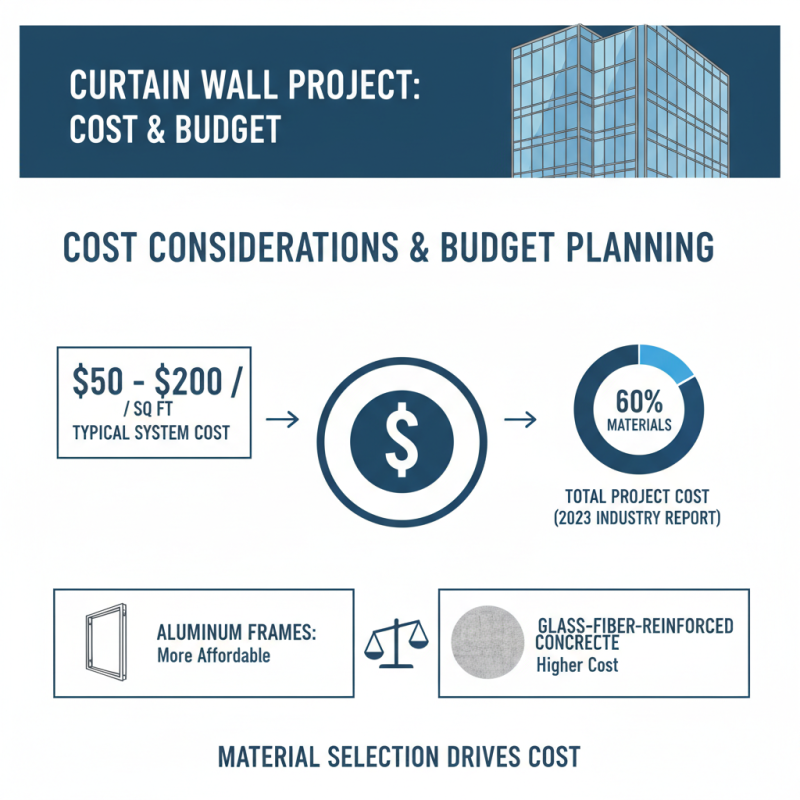
When planning a curtain wall project, budget is crucial. Typically, curtain wall systems can range from $50 to $200 per square foot, depending on various factors. Material selection significantly influences costs. For example, aluminum frames tend to be more affordable than glass-fiber-reinforced concrete. According to the 2023 Glass and Glazing Industry Report, materials account for nearly 60% of the total project cost.
Labor expenses also contribute to the overall budget. Installation complexity varies greatly. A straightforward installation may cost around $25 per square foot, while intricate designs could exceed $50. Some projects grapple with unexpected labor shortages, pushing up prices further. The National Building Granary's latest survey reveals that labor costs have risen about 8% over the past year.
Ignoring life-cycle costs can be a costly mistake. Long-term maintenance should not be overlooked. Budgeting for regular upkeep can save money in the future. Also, consider potential energy efficiency gains. High-performance curtain walls often lower energy bills, justifying higher initial investments. Balancing aesthetics, performance, and cost is key to a successful curtain wall system.