How to Choose the Right Curtain Wall for Your Building?

Choosing the right curtain wall for your building is crucial. A curtain wall is more than just a façade; it contributes to the building's overall performance. It influences energy efficiency, aesthetics, and structural integrity.

Different materials are available for curtain walls. Glass, metal, and stone are among the most popular options. Each material has its advantages and drawbacks. For instance, glass allows natural light but can lead to higher energy costs without proper insulation. Metal offers durability, but it may require more maintenance over time.

When selecting a curtain wall, consider the local climate. This factor impacts the material's performance and lifespan. It's essential to evaluate your building’s design and purpose. Reflect on your choices. Ask experts for advice, but trust your instincts too. The right curtain wall can enhance your property's value and appeal significantly.

How to Choose the Right Curtain Wall for Your Building?

Factors to Consider When Selecting Curtain Wall Systems for Buildings

Choosing the right curtain wall system is not a trivial task. Several factors require careful consideration to ensure the design meets both aesthetics and functionality. One key aspect is the climate. Buildings in regions with extreme weather need durable materials. This helps in efficient insulation and energy savings.

Another important factor is the building's purpose. For commercial spaces, visibility is crucial, while residential buildings may prioritize privacy. The structural integrity of the wall system must align with the building's design. A poorly chosen curtain wall can lead to costly repairs later.

Lastly, sustainability is becoming increasingly significant. Materials should be eco-friendly and energy-efficient. This choice affects not only the building’s footprint but also its long-term operational costs. Reflecting on these elements can prevent future challenges.

Choosing incorrectly could result in high maintenance and decreased property value. Careful evaluation is essential for a successful outcome.

Understanding Different Types of Curtain Walls: Materials and Designs

How to Choose the Right Curtain Wall for Your Building?

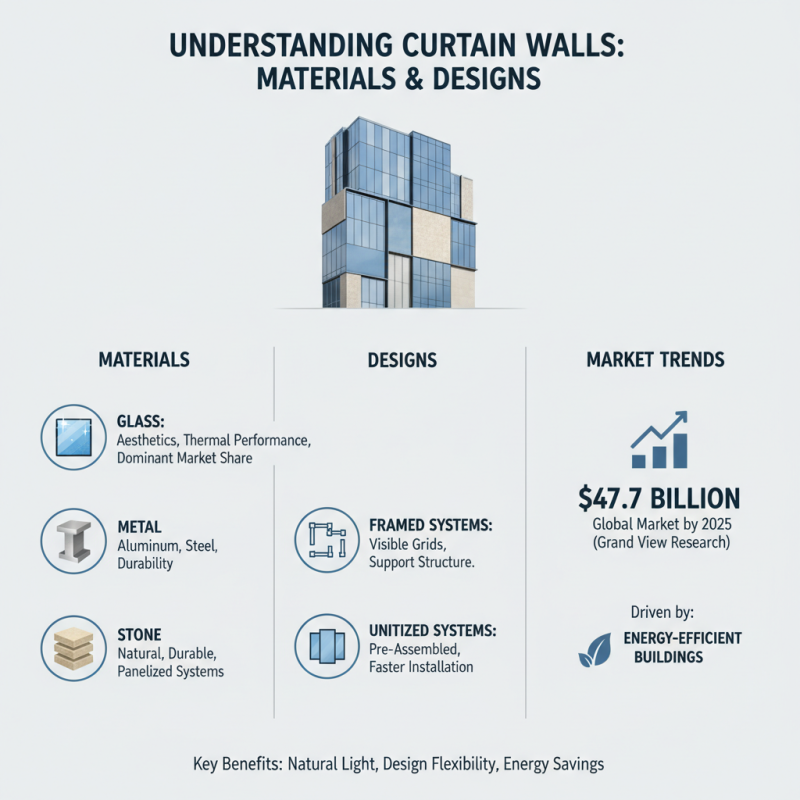
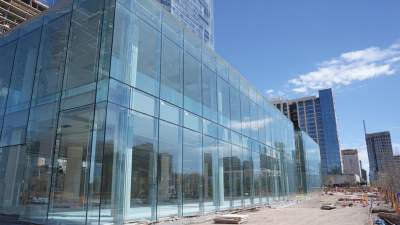
When selecting a curtain wall system, understanding the various materials and designs is crucial. Curtain walls are primarily composed of materials like glass, metal, and stone. According to a report by Grand View Research, the global market for curtain walls is expected to reach $47.7 billion by 2025. This growth reflects the increasing demand for energy-efficient buildings. Glass facade systems tend to dominate the market due to their aesthetics and thermal performance.

Different designs cater to varied architectural needs. Stick-built systems are flexible and adaptable. However, they can be labor-intensive. Unitized systems offer efficiency in installation, but they require precise factory manufacturing. The choice between these options often depends on project budget and timeline. A notable study from the American Institute of Architects indicates that integrating sustainability features in curtain wall designs has become essential. Yet, there are challenges in ensuring long-term durability and maintenance.

The performance of curtain walls is also influenced by local climate. For instance, warmer regions may favor reflective glass to reduce heat gain. Meanwhile, colder climates might benefit from insulated designs. It's important to assess these factors carefully. Projects that neglect this may face higher energy costs and reduced occupant comfort. Adopting a well-informed approach to material selection can enhance the overall performance of a building's envelope.

Evaluating Performance Metrics: Energy Efficiency and Thermal Insulation

Selecting the right curtain wall for your building hinges on critical performance metrics. Energy efficiency and thermal insulation are pivotal in making a sound choice. These factors directly impact the comfort of occupants and energy costs. A well-designed curtain wall can significantly reduce heat loss in winter and maintain cooler indoor temperatures during summer.


Assess key metrics like U-value and solar heat gain coefficient (SHGC). A lower U-value indicates better insulation. This means less energy is needed for heating and cooling. Understanding SHGC helps gauge how much solar heat enters the building. Ideally, you want a balance that maximizes natural light without excessive heat gain.


Tips: Look for materials that outperform standard energy regulations. Use triple glazing when possible. This can enhance insulation properties. Regularly assess building orientation and local climate conditions to optimize curtain wall performance. Remember, the initial cost may be higher, but savings in energy bills will make it worthwhile in the long run.

Analyzing Aesthetic Considerations in Curtain Wall Selections

How to Choose the Right Curtain Wall for Your Building?

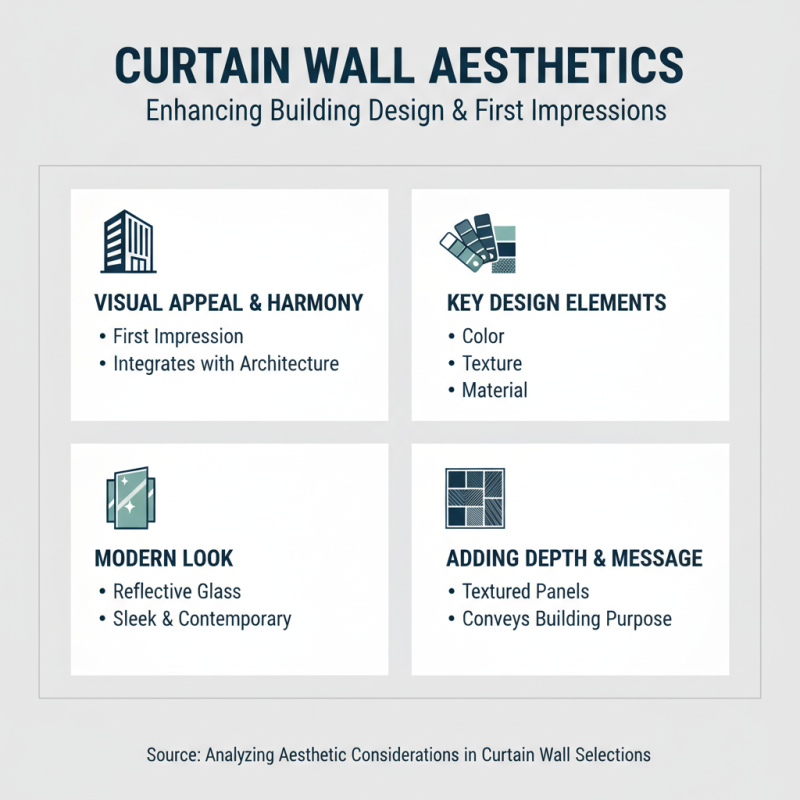
When selecting curtain walls, aesthetic considerations play a crucial role. The façade of a building is often its first impression. A well-chosen curtain wall can enhance the structure's visual appeal, integrating harmoniously with surrounding architecture. Consider the color, texture, and material. Reflective glass can create a modern look, while textured panels add depth. Each design choice conveys a message about the building's purpose.

Architectural elements should also align with the environment. For example, local climate might dictate the window size and shading devices. An overly ambitious design may clash with nearby buildings. Simplicity often yields sophistication. However, there’s a delicate balance to maintain. A striking curtain wall risks appearing too bold or out of context. Understanding these dynamics is essential for effective design.

Function shouldn't overshadow form. While aesthetics are vital, they must not compromise performance. High-quality materials ensure durability and energy efficiency. A well-designed curtain wall should complement functional aspects while being visually pleasing. Designers must reflect on the longevity of their choices, not just initial impacts. Ultimately, a successful curtain wall requires thoughtful integration of beauty and practicality.

Cost Analysis: Budgeting for Curtain Wall Installation and Maintenance

When budgeting for curtain wall installation, several key factors come into play. The initial cost can vary greatly based on materials used and the complexity of the design. For instance, glass types differ significantly in price and aesthetics. Standard options may be affordable, but high-performance glass can raise costs. Always consider not just the upfront expense but also long-term performance.

Maintenance is another critical aspect of cost analysis. Routine inspections and cleaning are necessary to ensure longevity. Neglect can lead to expensive repairs over time. It's essential to assess the installation location, as environmental factors impact wear and tear. Urban areas may face more grime and pollutants, requiring more frequent attention.

Unforeseen expenses often arise during and after installation, adding to the overall budget. Contractors might encounter structural issues that require additional work. This unpredictability can be frustrating and costly. Having a flexible budget can help absorb these surprises, allowing for smart financial planning in curtain wall projects.

Cost Analysis of Curtain Wall Installation