Top 10 Tips for Choosing the Best Doors and Windows for Your Home
When selecting doors and windows for your home, the decision extends beyond aesthetics; it holds significant implications for energy efficiency, security, and overall property value. According to a study by the American Institute of Architects, well-chosen doors and windows can contribute to a 10-15% increase in the overall value of a home. This underscores the importance of making informed choices that enhance both functionality and visual appeal.
Furthermore, the U.S. Department of Energy reports that approximately 30% of residential heating and cooling energy use is lost through inefficient windows. This statistic highlights the necessity of selecting high-performance options that fulfill energy standards, contributing to reduced utility bills and a smaller carbon footprint. With a multitude of styles, materials, and technologies available, homeowners must navigate through various options to find the best fit for their preferences and needs.
In this guide, we will explore the top 10 tips for choosing the best doors and windows for your home, ensuring that your investments not only boost curb appeal but also optimize energy performance and security.

Understanding Your Home's Style and Requirements
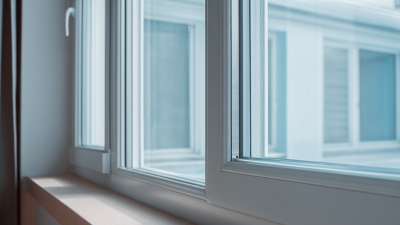
When choosing doors and windows for your home, understanding your home's style and requirements is critical. Home design comes in various styles, from traditional to modern, and each has its own unique aesthetic. Consider the architectural features of your home—do you have ornate moldings that require detailed craftsmanship, or a minimalist facade that calls for sleek lines? Selecting doors and windows that harmonize with these elements will enhance the overall aesthetic and add value to your property.
One important tip is to consider the material and energy efficiency. For instance, wood can bring warmth and elegance, while aluminum and vinyl offer durability and low maintenance. Pay attention to energy ratings to ensure your windows help in regulating indoor temperatures, ultimately saving on utility costs. Additionally, the size and placement of windows significantly impact natural light and ventilation, so opt for designs that allow for ample sunlight while also providing privacy.
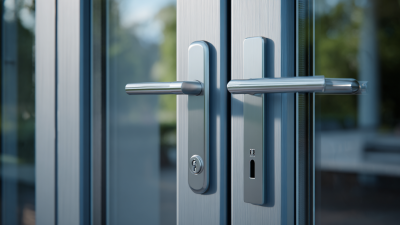
Another essential factor is functionality and security. Think about how you will use each entryway—do you need a sliding door for easy access to your patio, or a sturdy front door that enhances security? Look for locks and features that fit your lifestyle needs while ensuring the safety of your home. By combining style, efficiency, and functionality, you can select the best doors and windows that truly reflect your home's character while fulfilling its requirements.
Top 10 Tips for Choosing the Best Doors and Windows for Your Home
Evaluating Energy Efficiency Ratings and Features
When selecting doors and windows for your home, paying close attention to energy efficiency ratings is crucial. Energy-efficient products not only help in reducing your utility bills but also enhance the overall comfort of your living space. Key ratings to consider include the National Fenestration Rating Council (NFRC) labels, which provide valuable information about a product's performance.
Look for U-factor ratings, which indicate how well a window or door insulates from heat loss, and Solar Heat Gain Coefficient (SHGC) ratings that measure how much solar radiation passes through the glass. Lower values in these categories signify better energy efficiency, making your selection more effective at maintaining indoor temperatures.
In addition to ratings, it's important to consider the features that contribute to a door or window's energy efficiency. Look for double or triple glazing, which uses multiple panes of glass to create a barrier against heat transfer. Low-emissivity (Low-E) coatings are also beneficial as they reflect heat back into the room in winter and keep it out during summer. Proper sealing and weatherstripping further enhance efficiency by preventing drafts and air leaks. Selecting products with these features can lead to significant long-term savings and improve your home's energy performance, ultimately creating a more sustainable living environment.
Exploring Material Options for Doors and Windows
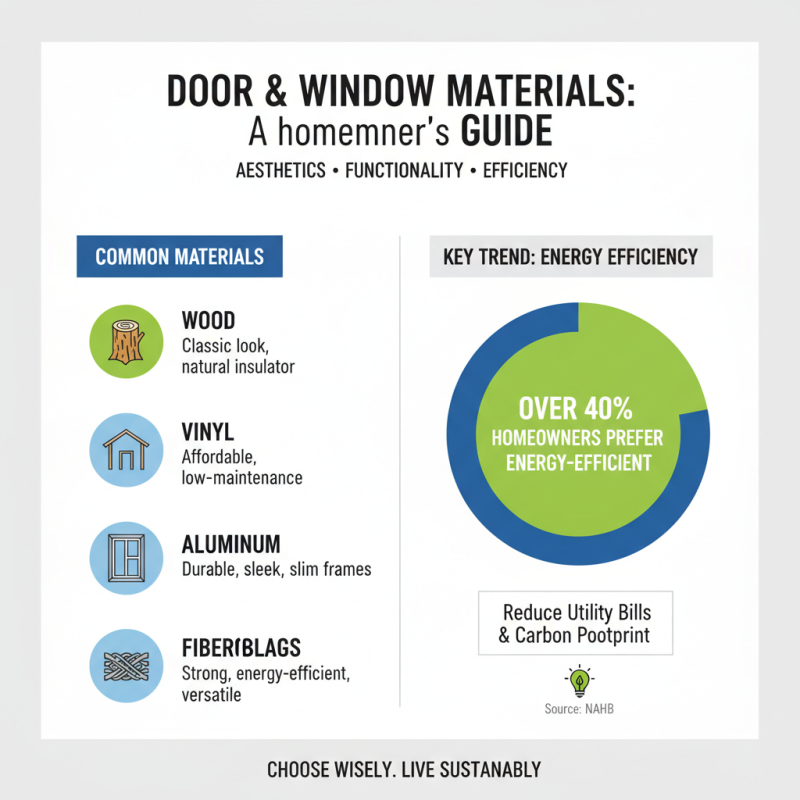
When selecting the best doors and windows for your home, the choice of materials plays a crucial role in both aesthetics and functionality. Common materials include wood, vinyl, aluminum, and fiberglass, each offering distinct advantages. According to the National Association of Home Builders, over 40% of homeowners prefer energy-efficient materials to reduce their utility bills, highlighting the growing trend towards sustainability.
One important tip is to consider the insulation properties of the materials. For example, fiberglass tends to provide superior insulation compared to traditional wood or aluminum, which can significantly affect your home's energy efficiency. Furthermore, vinyl windows have gained popularity due to their excellent weather resistance and low maintenance needs, making them a practical choice for many homeowners.
Another tip is to evaluate durability alongside aesthetics. Aluminum, while not as insulating as other materials, offers a sleek, modern look and can withstand harsh weather conditions. A study by the American Society of Interior Designers found that incorporating durable materials can increase the lifespan of doors and windows by up to 30%, reducing long-term costs and environmental impact. Making informed choices about materials ensures that your investment in doors and windows enhances both the curb appeal and energy efficiency of your home.
Assessing Security Features and Ratings
When choosing doors and windows for your home, one of the critical aspects to consider is their security features and ratings. A robust security feature often includes multi-point locking systems, reinforced frames, and impact-resistant glass. These elements play a significant role in deterring potential intruders. Additionally, look for products that have been tested and certified by recognized standards, ensuring they meet specific security benchmarks.
Beyond the physical attributes, it's essential to evaluate the security ratings of doors and windows. Various organizations provide ratings that assess the strength and effectiveness of these products against forced entry. A high rating typically indicates that a door or window can withstand significant force and is less likely to be compromised. Moreover, incorporating smart technology such as alarms or surveillance systems can enhance security, offering real-time monitoring and alerts. By prioritizing these features, homeowners can take proactive steps toward creating a safer living environment.
Selecting the Right Size and Fit for Your Openings
When selecting doors and windows for your home, ensuring the right size and fit for your openings is crucial. According to a report by the American Architectural Manufacturers Association (AAMA), improperly fitting doors and windows can lead to a significant increase in energy consumption, accounting for up to 25% of heating and cooling costs. It's essential to measure your openings accurately before making a purchase. A professional survey by the National Association of Home Builders (NAHB) indicates that homes with poorly sized installed windows can suffer from drafts and leaks, impacting the overall comfort and energy efficiency of the residence.
To achieve the perfect fit, begin by measuring the height and width of the openings, keeping in mind that the measurements should be taken at multiple points to account for any irregularities. The AAMA recommends that homeowners consult with experienced professionals who can provide guidance on necessary adjustments and ensure that the frames are square. Installing doors and windows that are too large or small can compromise structural integrity and lead to costly repairs down the line. Investing time in precise measurements can save homeowners from long-term headaches and enhance the functionality of their spaces.