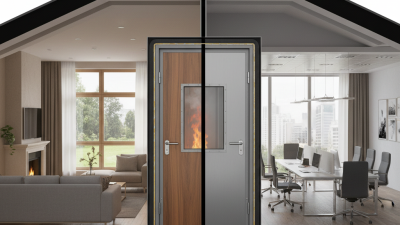
Choosing the right fire resistant doors for your project is crucial for safety and compliance. These doors serve as barriers against flames and smoke, protecting both people and property. When selecting fire resistant doors, consider factors like material, ratings, and installation requirements. Each option has its unique features and limitations, which can affect performance in emergencies.
Understanding fire resistant doors involves assessing their fire ratings, usually classified in minutes of resistance. The better the rating, the more effective the door will be in containing a fire. Inspecting door hardware, seals, and frames is equally important. A poorly installed door can compromise its protective qualities.
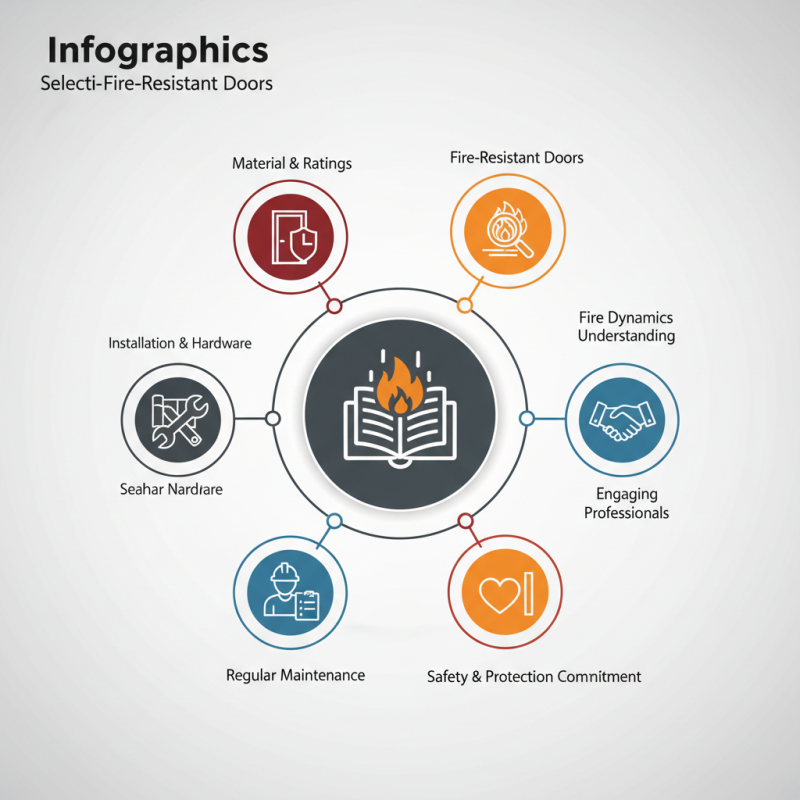
Many project managers overlook the need for regular maintenance of fire resistant doors. This step is essential for ensuring they function correctly when needed. Engaging with professionals who specialize in fire safety can greatly enhance decision-making. It's a complex area that requires attention to detail and an understanding of fire dynamics. Ultimately, selecting fire resistant doors is more than just compliance; it’s a commitment to safety and protection.
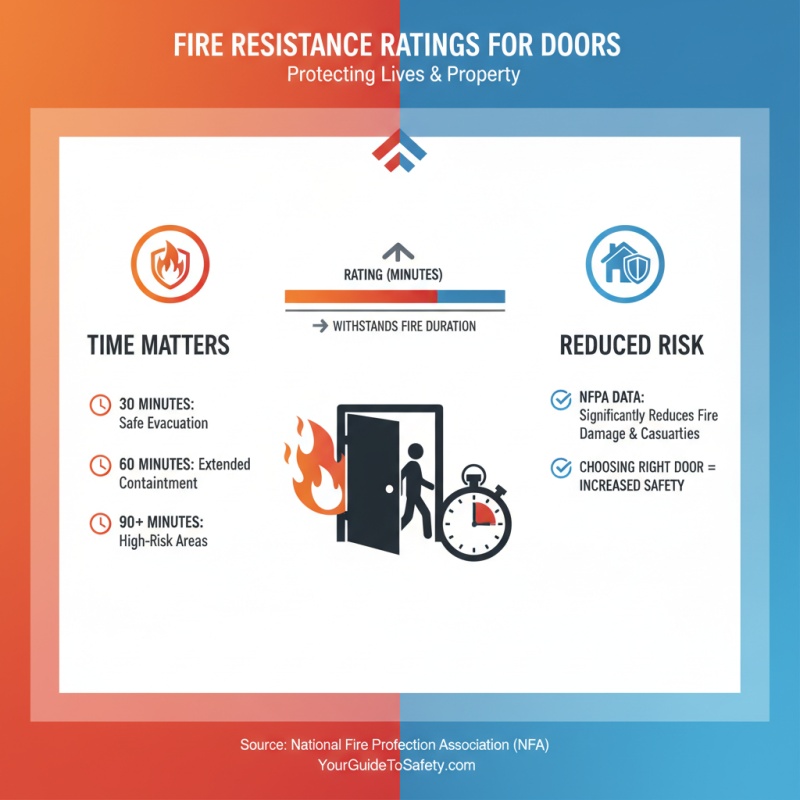
Choosing the right fire-resistant doors requires an understanding of fire resistance ratings. These ratings, often expressed in minutes, indicate how long a door can withstand a fire. For instance, a door rated for 30 minutes can contain a fire for that duration, allowing for safe evacuation. Data from the National Fire Protection Association (NFPA) highlights that properties with fire-rated doors reduce risks significantly during a fire incident.
When selecting a door, consider the materials used. Steel doors, for instance, offer higher resistance compared to wooden options. According to a report from the Fire Door Inspection Scheme (FDIS), 70% of fires in commercial buildings originate from structural failures. This underlines the importance of choosing doors with appropriate ratings that match the building’s fire safety plan.
Sometimes, the fire rating alone isn't enough. Installation quality plays a crucial role, and faulty installations can compromise a door's effectiveness. Regular inspections are vital. Many buildings fail to comply with fire door regulations, as noted in a recent industry survey. Ensuring that fire doors are regularly checked can prevent serious issues and enhance safety.

When selecting fire-resistant doors, the materials used in their construction are critical. Common materials include steel, fiberglass, and solid wood. Steel doors, for example, are known for their durability and effective barrier against flames. A report from the National Fire Protection Association indicates that steel doors can withstand heat for an extended period, often up to three hours. This is essential for any project needing high-level fire protection.
Fiberglass doors offer an alternative. They are lightweight yet effective in fire resistance. Some studies show that proper installation can enhance their performance, allowing them to endure high temperatures. Solid wood doors, while aesthetically pleasing, may not always meet strict fire-rating standards. They can warp or crack under extreme heat, reducing their longevity.
Choosing the right material depends on the specific requirements of your project. The effectiveness of these doors is influenced by factors such as installation and design. Experts recommend consulting with fire safety professionals before making a final decision. Even with stringent testing standards, compromises may occur, highlighting the need for careful consideration in material selection.
When selecting fire resistant doors, multiple factors demand careful consideration. Start with the fire rating. This rating indicates how long a door can withstand flames. Common ratings include 20, 45, and 60 minutes. Understanding your building’s needs is crucial. If it's a high-risk area, opt for doors with longer ratings.
Material choice also plays a vital role. Steel doors are popular for their durability, while wood doors provide aesthetic appeal. The insulation properties of the material can enhance energy efficiency. Think about the location of the door. Internal vs. external placement can affect the type of door required.
Installation is another key factor. Poor installation can compromise the door's effectiveness. Consulting a professional can prevent common mistakes, such as improper sealing. Each project will have unique requirements. Reflect on these specifics to make the best choice for safety and compliance. An informed decision now can prevent significant issues later.
| Factor | Description | Importance Level |
|---|---|---|
| Fire Rating | Determines duration the door can withstand fire exposure. | High |
| Material | Common materials include steel, fiberglass, and wood. | Medium |
| Compliance Standard | Must meet local codes and standards (e.g. NFPA, UL). | High |
| Installation Type | Pre-hung, retrofitted, or flush mount installations. | Medium |
| Cost | Initial investment and long-term maintenance costs. | High |
| Aesthetic Appeal | Design and finish options to match project decor. | Low |
| Accessibility Features | Includes features for ADA compliance if needed. | Medium |
Fire resistant doors play a crucial role in building safety. These doors are designed to withstand high temperatures and prevent the spread of fire and smoke. Common applications include commercial spaces, residential buildings, and industrial facilities.
In commercial settings, they protect high-traffic areas. Hospitals also utilize them to safeguard patient rooms and critical care areas.
In residential projects, fire resistant doors help to create safe zones. Homeowners often install these doors between the garage and living spaces. This design limits fire exposure and gives residents time to escape. Industrial facilities frequently require these doors for hazardous areas, ensuring worker safety and minimizing damage.
Choosing the right fire resistant door involves understanding specific needs. Not all doors meet the same standards. Reflecting on these choices can prevent costly mistakes. Visualizing the door's role in your space can aid decision-making. Consider factors like installation location and required fire ratings. Ultimately, thoughtful planning will enhance safety in any building project.
Choosing fire-resistant doors is crucial for safety. However, compliance with local fire safety regulations is paramount. Each region has unique codes. These often outline specific ratings for fire doors. According to the National Fire Protection Association (NFPA), roughly 70% of structure fires originate in the home. Therefore, having compliant doors can be a life-saving choice.
Regulatory bodies like the International Building Code (IBC) specify standards for fire resistance. Doors need to match these specifications based on building occupancy. For example, doors in commercial buildings often require higher ratings than those in residential settings. A door with a 1-hour rating can withstand intense heat. This provides crucial time for evacuation, potentially saving lives.
Despite these standards, many projects fall short. A study by the Fire Protection Research Foundation indicates that 50% of fire doors inspected had issues. Common problems include improper installation or lack of maintenance. Regular checks and updates to compliance are essential. Non-compliance can lead to severe consequences, including increased liability during inspections. Adhering to regulations may seem daunting, but it is vital for safety.