
Choosing the right Acoustic Metal Panels can be challenging. These panels play a crucial role in soundproofing spaces. They absorb unwanted noise, making environments more comfortable.
When selecting acoustic metal panels, consider their materials and design. Different materials provide various sound absorption levels. The effectiveness of these panels can vary based on installation location. Analyze the specific needs of your space. Understand the acoustics to determine the best fit.
Quality matters. Look for products from reputable manufacturers. Check reviews and expert opinions. Sometimes, even high-quality panels might not perform as expected. Reflect on your choices and seek professional advice if needed. The right panels can transform your acoustic environment significantly.
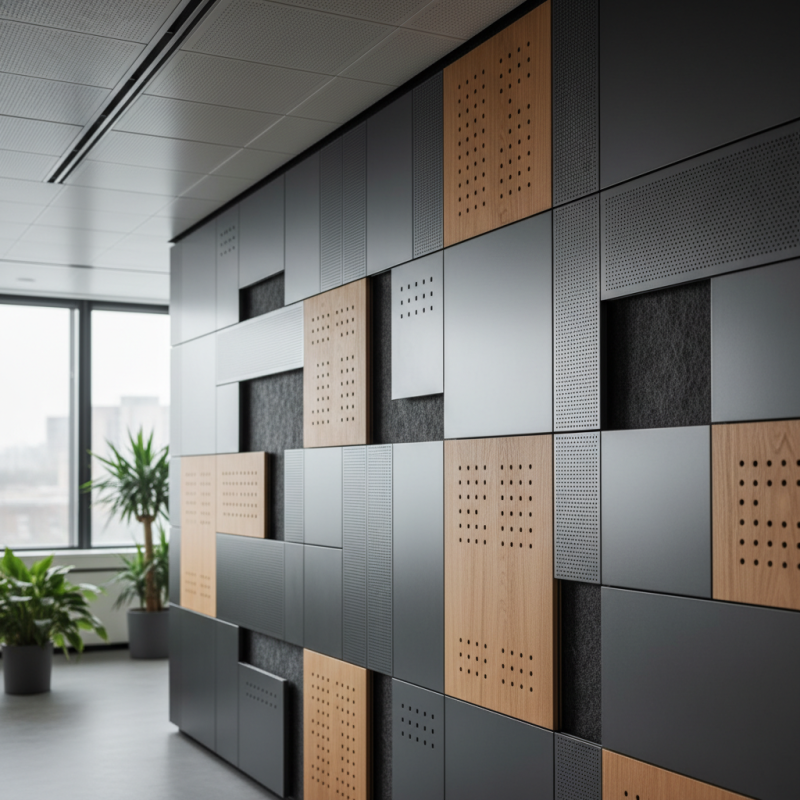
When selecting acoustic metal panels for soundproofing, various factors come into play. The material’s density and thickness significantly impact its sound absorption capabilities. Thicker panels often reduce sound transmission more effectively than thinner options. Look for panels that blend durability with acoustic properties. The right balance can enhance performance while ensuring longevity.
**Tip:** Test samples before committing. This allows you to assess how different panels perform in your specific environment.
Additionally, consider the panel's installation method. Some panels require professional installation, while others offer user-friendly options. This influences not only cost but also the effectiveness of soundproofing.
**Tip:** Plan the layout ahead. Incorrect placement can reduce the effectiveness of sound absorption. Always take the time to measure and strategize.
Finally, think about aesthetics. Acoustic metal panels are available in various designs and finishes. Choose options that align with your space’s décor. A visually appealing setup can enhance the atmosphere while providing sound control.
| Feature | Description | Importance Level |
|---|---|---|
| Material Type | Common materials include metal, fiberglass, and foam; each offers different sound absorption properties. | High |
| Thickness | Thicker panels generally provide better soundproofing, reducing sound transmission. | Medium |
| Acoustic Rating | Look for panels with a high Noise Reduction Coefficient (NRC) for better performance. | High |
| Fire Rating | Check for fire resistance certifications to ensure safety in your space. | High |
| Aesthetic Consideration | Choose a design and color that complements your existing décor. | Medium |
| Installation Method | Consider whether the panels are easy to install or require professional help. | Medium |
When selecting acoustic metal panels for soundproofing, understanding the types available is essential. Acoustic metal panels come in various designs, materials, and thicknesses, each offering unique sound absorption properties. For instance, perforated metal panels are popular due to their ability to attenuate sound while adding aesthetic value. These panels can reduce sound levels significantly, with studies indicating up to a 30% decrease in reverberation time when used in the right environment.
Another option is honeycomb acoustic panels. These panels incorporate a network of chambers to trap sound waves effectively. Research suggests that the design can reduce noise transmission by as much as 50%. Their lightweight structure makes them easy to install, but the challenges arise in their installation and alignment. Ensuring they fit seamlessly is crucial for optimal performance. Some users may find the installation process complex, potentially diminishing their soundproofing efficacy if not executed properly.
A less common choice is solid panel systems, which are denser and provide high sound insulation. While these panels deliver excellent results, their installation may require professional assistance. This leads to considerations of cost versus benefit. The effectiveness of soundproofing relies heavily on the specific environment and the proper choice of panel type. Choosing the right acoustic metal panel necessitates careful consideration and understanding of the unique acoustic needs of your space.
When measuring your space for acoustic panel placement, start by assessing the room's dimensions. Use a tape measure to get accurate measurements of height, width, and depth. A well-measured space allows for effective soundproofing. Remember, sound travels in waves, so the placement of panels significantly affects performance.
Identify reflective surfaces such as walls, ceilings, and floors. These areas often amplify sound. Mark these spots to prioritize panel placement. A general rule is to cover at least 20% of each wall with panels for noticeable results. Don't overlook the corners; they can gather sound and create an echo.
Be mindful of layout and furniture. Tables and bookshelves can influence sound waves. If your room has irregular shapes, you may need more panels for balanced acoustics. Testing different configurations can reveal what works best. Take your time to evaluate changes. Sound management is a process and can require adjustments. The key is to create a harmonious space, enhancing both comfort and function.
When it comes to installing acoustic metal panels, the technique plays a crucial role in achieving effective soundproofing. Proper alignment and spacing can significantly enhance the panels’ performance. Ensure that you place the panels at the first reflection points in the room. This will minimize sound reflections. Use a level to guarantee that your panels are straight. A slight misalignment can diminish their effectiveness.
Adhesives or mounting hardware should be selected carefully. Some adhesives may not provide a strong enough bond, leading to eventual panel detachment. Additionally, consider the thickness of the panels when installing. Thicker panels can often absorb more sound. However, they may require stronger support. If unsure, consulting an acoustic professional for advice on installation techniques can be beneficial.
Pay attention to the room's layout. Hard surfaces, like floors and glass windows, can compromise soundproofing efforts. Positioning panels near these surfaces may yield better results. Remember to check the manufacturer’s specifications on installation methods. It’s vital to follow guidelines. A well-executed placement can transform a noisy environment into a serene space. Each installation should be approached with care and precision to achieve optimal soundproofing results.
Acoustic metal panels can be a durable choice for soundproofing needs, but proper maintenance is crucial to prolong their lifespan. Industry reports indicate that well-maintained acoustic panels can last over 20 years, significantly reducing the need for replacements. Regular cleaning helps maintain their sound-absorbing effectiveness. Dust and grime can accumulate, creating a barrier that hinders sound performance. Using a soft cloth or mild detergent for periodic cleaning is recommended, but overzealous scrubbing can lead to scratches.
Humidity and temperature fluctuations can also affect acoustic metal panels. It’s essential to monitor the environment in which they are installed. Excess moisture can lead to corrosion and should be avoided. Installing humidity controls or ensuring proper ventilation can mitigate these risks. Observing the panels for signs of wear, like discoloration or rust, allows for timely interventions. While acoustic panels are robust, neglecting these details can diminish their effectiveness over time. Regular inspections can save money and enhance overall sound quality.