Why Choose Fire Resistant Doors for Your Home Safety and Security

In today's ever-evolving home safety landscape, the importance of incorporating fire resistant doors into residential design cannot be overstated. According to the National Fire Protection Association (NFPA), home structure fires accounted for 74% of all reported fires in 2020, resulting in significant loss of property and, tragically, lives. Fire resistant doors serve as a crucial barrier that can help slow the spread of flames and smoke, providing invaluable time for occupants to escape and for emergency services to respond.
Why Choose Fire Resistant Doors for Your Home Safety and Security

The value of fire resistant doors extends beyond mere compliance with building codes; they are an investment in both safety and security. Reports indicate that fire-resistant materials can withstand high temperatures for extended periods, which is essential in residential settings. The International Association of Fire Fighters (IAFF) emphasizes that having adequate fire barrier protection, including fire resistant doors, can drastically improve the chances of survival during a fire emergency. By choosing fire resistant doors, homeowners not only enhance their property’s safety features but also contribute to a comprehensive fire prevention strategy, underscoring the essential role these products play in modern home security.
Understanding Fire Resistant Doors: Definition and Materials

Why Choose Fire Resistant Doors for Your Home Safety and Security

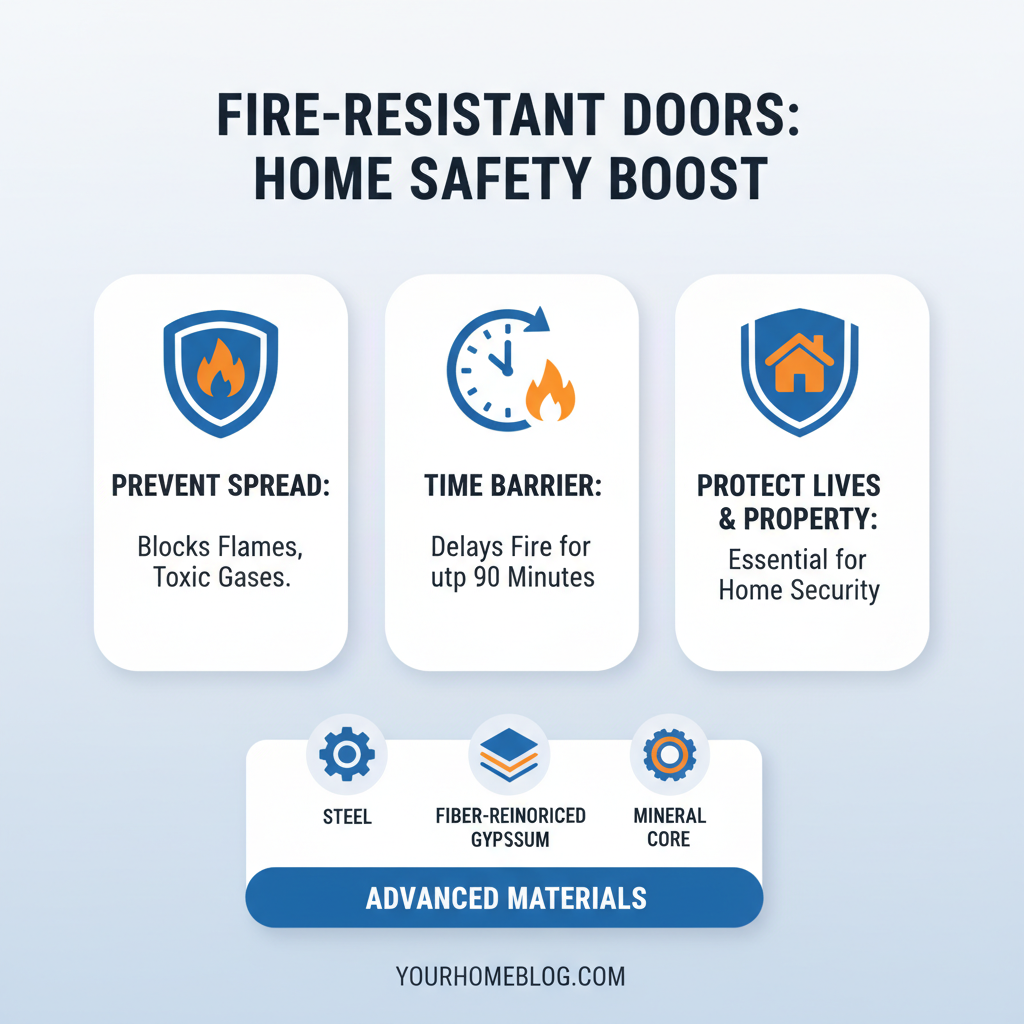
Fire-resistant doors play a crucial role in enhancing the safety and security of your home. These specialized doors are designed to withstand high temperatures and prevent the spread of flames, smoke, and toxic gases during a fire. Made from advanced materials such as steel, fiber-reinforced gypsum, or mineral core, fire-resistant doors provide a vital barrier that can protect lives and property by delaying the passage of fire for a predetermined period.

When selecting fire-resistant doors, consider the materials used in their construction. Steel doors offer superior durability and resistance to fire; however, wood doors with fire-rated cores can also be effective. Always look for certifications that verify the performance of these doors in real-world conditions.

Tips:

  1. Ensure the fire-resistant doors are installed properly, as gaps or poor-fitting installations can compromise their effectiveness.
  2. Regularly inspect your fire doors for signs of wear or damage, as maintaining them is essential for optimal performance during emergencies.
  3. Choose doors with a fire rating that matches or exceeds the requirements for your area, ensuring compliance with local building codes.

The Importance of Fire Safety in Residential Properties

Fire safety is a critical consideration for residential properties, as it can mean the difference between life and death in emergencies. Houses are often filled with flammable materials, and a fire can spread rapidly, jeopardizing the safety of your family and the integrity of your home. Implementing effective fire safety measures, including the installation of fire resistant doors, can dramatically reduce risks and provide residents with valuable time to escape and call for help.

When choosing fire-resistant doors, ensure they meet the required fire ratings and are installed correctly. Fire doors are designed to withstand heat and prevent flames from spreading, acting as barriers during a fire. For enhanced safety, consider incorporating automatic closing mechanisms to ensure that these doors remain closed when not in use.

Tips: Regularly check your fire-resistant doors for signs of wear and tear, as they may lose effectiveness over time. Additionally, conduct fire drills with your family to familiarize everyone with escape routes, and encourage open discussions about the importance of fire safety to promote vigilance in the home.

Benefits of Installing Fire Resistant Doors in Your Home

Installing fire-resistant doors in your home is a crucial step towards enhancing safety and security. According to the National Fire Protection Association (NFPA), more than 350,000 home structure fires occur annually in the United States, resulting in considerable property damage and loss of life. Fire-resistant doors act as a barrier, slowing the spread of flames and smoke, which can provide valuable minutes for occupants to evacuate safely. Furthermore, a study by Underwriters Laboratories indicates that fire-rated doors can hold back flames and heat for up to 90 minutes, significantly increasing the chances of survival during a fire incident.

Incorporating fire-resistant doors not only protects lives but can also reduce insurance premiums. Many insurance providers offer discounts for homes equipped with fire-rated doors, reflecting a proactive approach to safety. Additionally, these doors enhance overall property value and can be a selling point for potential buyers.

Tips: When choosing fire-resistant doors, look for those with a minimum rating of 20 minutes. Ensure that installation is performed by a certified professional to maintain their fire rating. Regularly inspect these doors for any damage or wear to ensure they are in optimal condition for safety.

Key Features to Look for in Fire Resistant Doors

Why Choose Fire Resistant Doors for Your Home Safety and Security

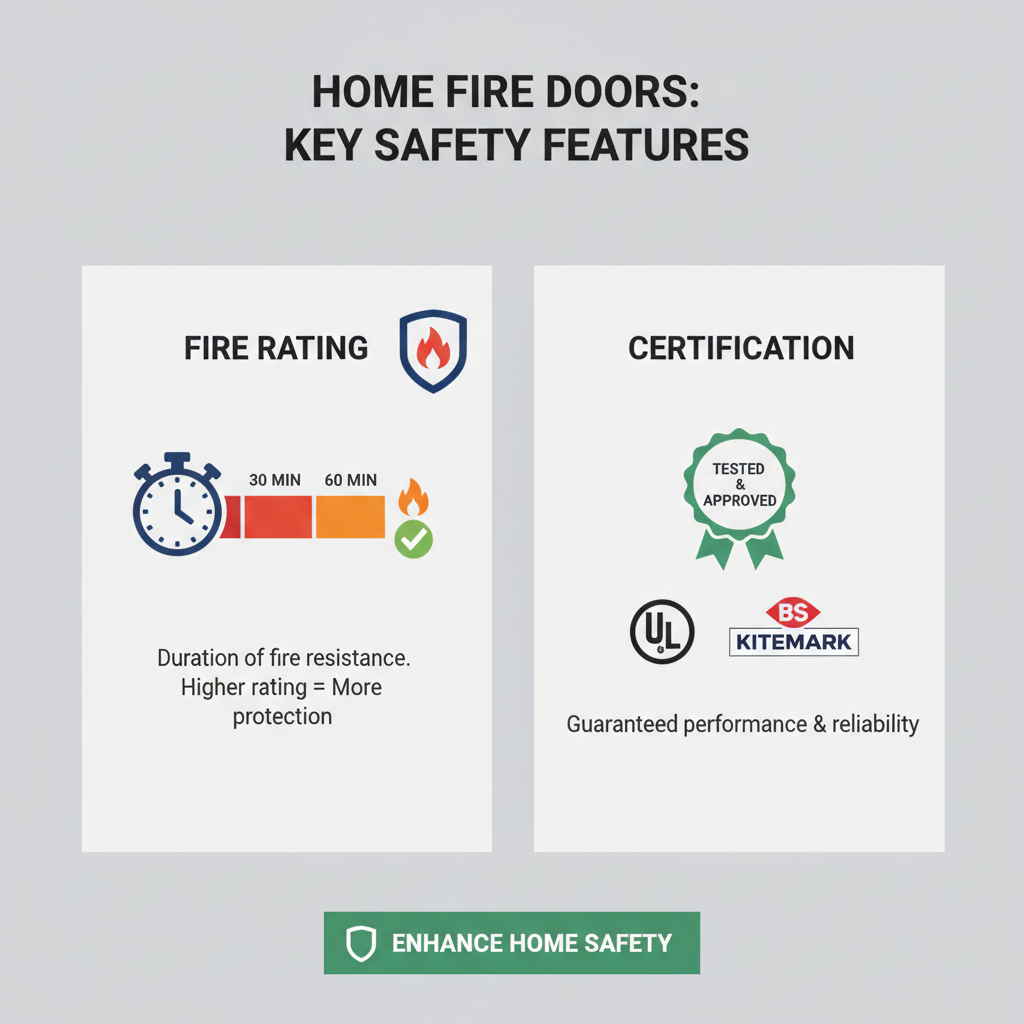
When selecting fire resistant doors for your home, there are several key features to consider that significantly enhance safety and security. Firstly, the fire rating of the door is crucial. Fire doors are classified based on their ability to withstand fire for a specific period, typically measured in hours. Look for doors with a higher fire rating, as they can provide better protection during an emergency. Additionally, ensure that the door is tested and certified by relevant safety organizations to guarantee its performance.

Another essential feature is the material of the door. Fire resistant doors are commonly made of steel, fiberglass, or a composite material designed to endure high temperatures. Steel doors tend to offer superior durability and resistance to various forces, making them an excellent choice for residential safety. Also, consider the frame and hardware; they should be specifically designed to complement the door's fire resistance and provide a tight seal when closed, minimizing smoke and heat transfer during a fire. Finally, ensure that the door is installed properly, as even the best-quality door can fail if not fitted correctly.

Maintenance and Regulations for Fire Resistant Doors

Fire-resistant doors play a critical role in home safety, particularly when it comes to reducing the risks posed by fire. To ensure these vital safety features remain effective, regular maintenance is essential. Recently launched educational programs, such as the GQA Level 3 Diploma in Fire Door Inspection, emphasize the need for practical skills in identifying the condition and compliance of fire doors. These programs equip individuals with the knowledge required to conduct thorough, non-invasive inspections, ensuring that fire doors meet regulatory standards.

Compliance with fire safety regulations is fundamental, as nearly every aspect of fire protection is governed by codes, such as those set by the National Fire Protection Association (NFPA). These codes provide guidelines on the installation and maintenance of fire-resistant doors to minimize risk during emergencies. Furthermore, updated guidance from regulatory bodies aims to assist manufacturers in meeting these standards. With increasing awareness and legislative focus on fire safety, maintaining fire doors has become paramount—helping to secure homes against potential fire hazards and ensuring safe exit routes in case of emergencies.

Why Choose Fire Resistant Doors for Your Home Safety and Security - Maintenance and Regulations for Fire Resistant Doors

Feature Description Standard Duration Maintenance Frequency Regulatory Compliance
Fire Resistance Rating Measurement of how long a door can withstand a fire 30/60/90 minutes Annually NFPA 80
Materials Steel, fiberglass, or treated wood N/A As needed based on wear ASTM E119
Installation Proper framing and sealing essential for efficacy N/A After installation check Local building codes
Inspection Regular checks for damage or wear required N/A Bi-annually IBC compliant