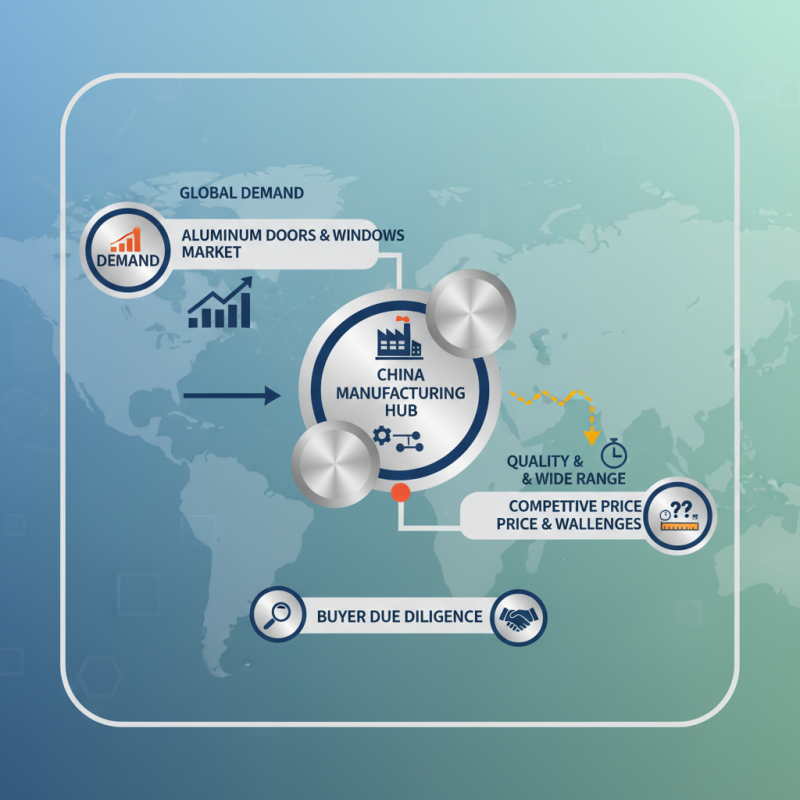
In recent years, the demand for aluminium doors and windows has surged globally. According to a recent market report, the aluminium windows and doors market is expected to grow at a CAGR of 6.5% through 2027. This surge is driven by their durability, energy efficiency, and aesthetic appeal. Many buyers now look to China for reliable suppliers of these products.
China stands out as a key player in the aluminium doors and windows industry. The country boasts advanced manufacturing technologies and a well-developed supply chain. Local companies possess extensive experience in producing high-quality aluminium products. However, despite their advantages, many suppliers struggle with consistency in quality and timely delivery. This inconsistency can raise concerns for international buyers.
While China's aluminium doors and windows meet various industry standards, buyers should conduct thorough research. Understanding supplier capabilities and quality control processes is essential. Navigating the complexities of international trade adds another layer of challenge. Nevertheless, with proper diligence, global buyers can benefit from China's competitive prices and wide product range.
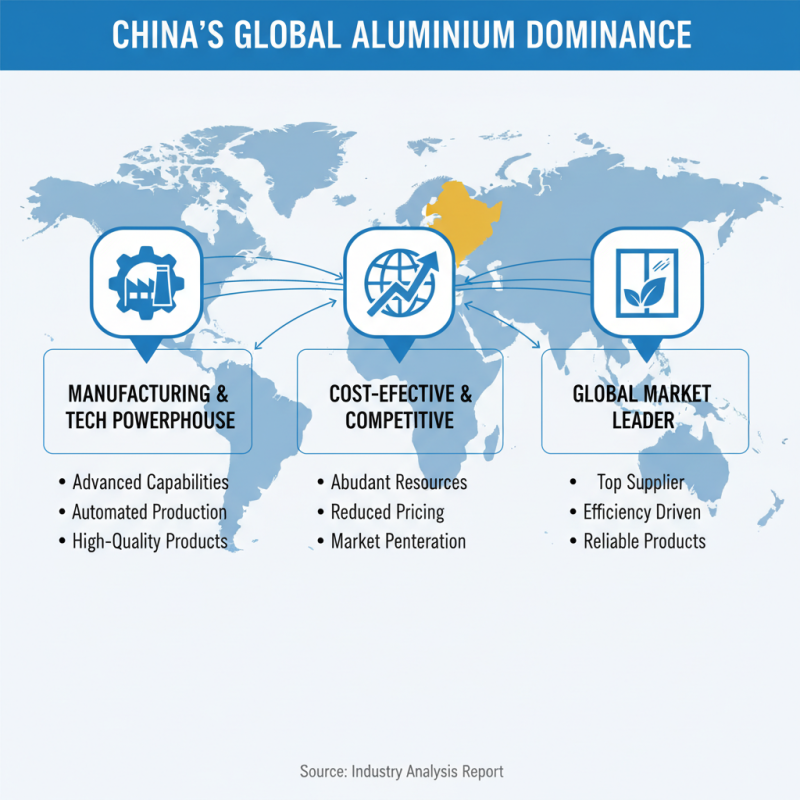
China has emerged as a dominant player in the global aluminium doors and windows market. The country boasts advanced manufacturing capabilities and technological expertise. Many suppliers utilize automated production to enhance efficiency. This allows for high-quality, cost-effective products. Furthermore, China's vast natural resources contribute to competitive pricing, enabling better market penetration.
However, challenges persist in this industry. Some manufacturers may struggle with quality consistency. This inconsistency can lead to customer dissatisfaction and potential loss of trust. Additionally, environmental regulations impact production methods. Balancing eco-friendly practices with high output remains a critical task.
Global buyers are increasingly focusing on sustainability. They seek partners who adhere to environmental standards. This demand pushes Chinese suppliers to innovate in sustainable manufacturing. As China adapts, the industry could see a shift in standards and practices. Many aspires to lead, but the journey is complex and requires continuous improvement.

China's aluminium doors and windows industry is thriving, attracting global buyers. Multiple key players are shaping this vibrant sector. These companies focus on quality and innovation. Many have extensive experience, ensuring reliability in their products. They utilize advanced manufacturing processes to meet international standards.
These suppliers offer a wide range of designs and functionalities. However, challenges exist. Some firms struggle with maintaining consistency in quality. Others face difficulties in meeting the increasing demand for sustainable materials. The pressure to innovate can sometimes lead to rushed production, impacting the final product quality.
Furthermore, not all key players are equally effective in their marketing strategies. Some may lack a global reach, limiting their potential customer base. This can result in a disconnect between product capabilities and market visibility. Addressing these issues is crucial for capturing the attention of discerning international buyers.
Innovative technologies in aluminium door and window manufacturing are transforming the industry. In recent years, the use of advanced materials has improved durability and energy efficiency. According to a 2022 report by Market Research Future, the global aluminium doors and windows market is expected to grow by 5.3% annually. This growth highlights the increasing demand for sustainable building materials.
Modern manufacturing techniques, such as extrusion and anodizing, enhance product performance. Extrusion allows for precise profiles that fit various architectural designs. Anodizing improves corrosion resistance and aesthetic appeal. These advancements attract architects who seek both functionality and style in projects.
Tip: Consider the energy efficiency ratings of aluminium windows before making a purchase. Higher ratings can lead to long-term savings.
Customer feedback indicates a desire for customizable solutions. Manufacturers must adapt to these expectations while maintaining quality standards. Addressing unique design needs can be challenging.
Tip: Research various suppliers to compare product features and innovations. Finding the right match can elevate your project’s outcome.
As the aluminium industry evolves, staying informed about emerging technologies is essential. By leveraging these advancements, manufacturers can meet global buyers' expectations effectively.
| Product Type | Material Quality | Technology Used | Market Demand | Sustainability Rating |
|---|---|---|---|---|
| Aluminium Windows | High-Grade Aluminium | Thermal Break Technology | High | A+ |
| Aluminium Doors | Eco-Friendly Aluminium | Powder Coating Technology | Medium | A |
| Sliding Windows | Corrosion-Resistant Aluminium | Multi-Point Locking System | High | A+ |
| Bi-Fold Doors | Lightweight Aluminium | Advanced Glazing Technique | High | A |
| Casement Windows | High-Strength Aluminium | Seal-Lock Technology | Medium | A+ |
When considering aluminium doors and windows from China, understanding the quality standards is crucial. China has established several certification systems to ensure that products meet international norms. For instance, the China Compulsory Certification (CCC) is mandatory for many aluminium products. This certification indicates compliance with safety and performance standards.
Moreover, reputable suppliers often pursue ISO certifications. ISO 9001 focuses on quality management systems. It helps ensure that companies maintain high-quality production practices. However, not every manufacturer follows these standards sincerely. Some may only obtain certifications without real adherence to quality.
It’s also important to be aware of local regulations. Different regions in China might have unique standards. Buyers should do research and verify if the supplier adheres to these regional norms. This reflection on quality can prevent costly mistakes. Not all certifications guarantee superior quality. A diligent buyer engages directly with manufacturers, asking for evidence of compliance and quality assurance processes.
The global market for aluminium doors and windows is evolving. Manufacturers focus on energy efficiency, sustainability, and design flexibility. Consumers demand products that enhance aesthetics while providing functionality. This trend is reshaping the competitive landscape.
Aluminium’s lightweight yet strong properties make it a preferred choice. Countries across Asia and Europe are investing in new designs. These designs cater to modern architecture and eco-friendly building standards. However, adapting to local regulations can be challenging for suppliers.
As the industry grows, innovation must match consumer expectations. Sustainability practices need clearer guidelines. The balance between cost and quality remains a critical concern. Suppliers must address these challenges to maintain reliability. The future of aluminium doors and windows relies on both creativity and compliance.