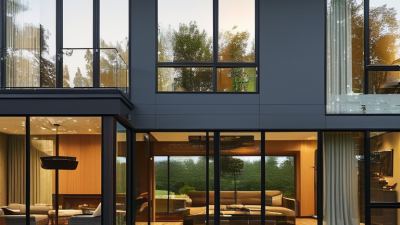
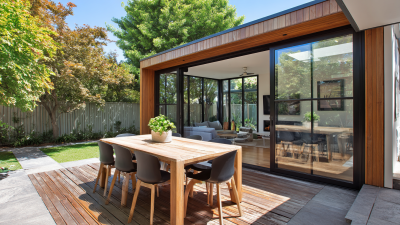
Framing a window effectively plays a crucial role in both aesthetics and efficiency. According to industry reports, up to 30% of a home's energy loss can occur through poorly framed windows. This highlights the importance of proper techniques in window framing. A well-framed window not only enhances visual appeal but also maximizes energy efficiency.
In 2026, new guidelines and innovative methods are emerging. Builders are urged to focus on material selection and precise measurements. Research shows that windows framed with high-quality materials can improve insulation by as much as 25%. While many focus on aesthetics, neglecting structural integrity can lead to costly errors. Accurate techniques must balance both beauty and functionality.
Reflecting on past practices reveals areas for improvement. Many professionals still overlook the importance of proper sealing in framing a window. This oversight can compromise the durability of the frame and of the window itself. By addressing these common mistakes, the industry can move toward more sustainable and efficient practices. Embracing new technologies and methods will pave the way for better window framing in the years to come.
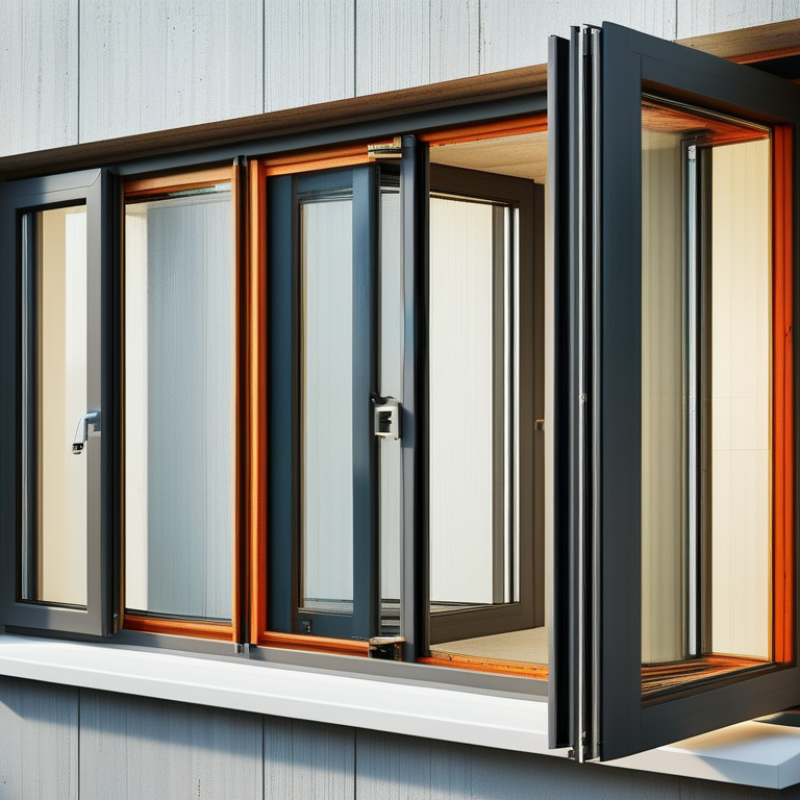
Framing a window in interior design is crucial. It creates a focal point that draws the eye. Proper framing enhances not only the window but also the room's overall aesthetic. The way you frame a window can change the perception of space and light.
Consider the style of your interior. A modern room may benefit from sleek, minimal frames. On the other hand, traditional décor often pairs well with ornate, detailed casing. Each choice reflects the character of the space. The frame should not overpower the window. Instead, it should complement it while remaining functional.
When selecting materials, think about durability and maintenance. Wooden frames can bring warmth but require upkeep. Metal frames offer a contemporary look but may feel cold. Balancing these aspects is important for your design.
Pay attention to the window's surroundings. The wall color and furniture can impact how the frame looks. A bold frame can stand out against neutral walls. Alternatively, a subtle tone can blend seamlessly, creating a serene environment. Keep in mind, the goal is to enhance the window without cluttering the space.
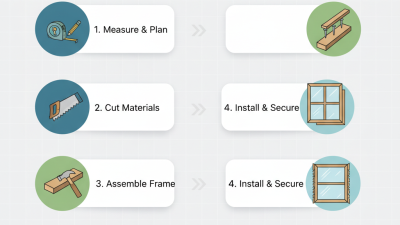
Choosing the right materials for window framing significantly impacts both aesthetics and energy efficiency. According to recent reports, vinyl and wood remain the most popular options for window frames. Vinyl is known for its durability and low maintenance, while wood provides a classic look and excellent insulation. However, wood requires regular upkeep to prevent warping, which can be seen as a drawback.
Metal frames, like aluminum, are gaining traction due to their strength and sleek appearance. They are thinner and allow for larger glass areas, maximizing natural light. However, metal is less energy-efficient unless properly insulated. A study by the National Institute of Standards and Technology (NIST) highlights that selecting energy-efficient materials can reduce heating and cooling costs by up to 30%.
Sustainable materials, such as recycled composites, are also becoming more prominent. They not only contribute to environmental goals but can offer similar structural benefits. However, some consumers may hesitate due to perceived durability issues. Decisions about framing materials should reflect both functionality and personal style, with careful consideration of long-term performance. Finding the right balance can be challenging, and the choices made today will directly affect energy consumption and maintenance in the future.
Window framing plays a crucial role in enhancing light and space in any room. The right design can dramatically change the ambiance of a space, making it feel wider and more inviting. Consider using larger frames to allow more natural light in. This minimizes the need for artificial lighting during the day. Opting for lighter-toned frames can create a seamless transition between the interior and exterior. It helps in making spaces feel more connected to the outdoors.
Lighting is essential in window framing. Use sheer curtains or blinds to filter sunlight while maintaining privacy. This balance is vital for creating a warm, inviting environment. You might find that incorporating wooden or metal elements into your frame adds texture and depth, enhancing the room's aesthetic. Additionally, experimenting with different window shapes can introduce unique character. Arched or circular windows can draw the eye, making the space seem larger than it is.
A common mistake is overlooking the view outside. Position your frames to highlight architectural features or natural landscapes. Engaging with the surroundings adds interest to your design. Always reflect on how your choices impact the room's overall feel. Analyze how the light shifts throughout the day, and adjust your framing techniques accordingly. This conscious approach can lead to improved design satisfaction and functionality.
Choosing the right frame style for your windows is essential. It affects both function and aesthetics. A well-chosen frame can enhance the beauty of your home's architecture. Look at your home’s style. Is it modern, traditional, or perhaps farmhouse? Different styles call for different frames. For example, sleek lines work well in contemporary settings.
Consider the materials you use. Wood gives a warm, classic look. Meanwhile, metal offers a more industrial feel. The color of your frames should also complement your home’s palette. A white frame may look stunning against darker walls. This contrast brings a fresh touch to your space. Yet, don't shy away from experimenting with bold colors or textures. They can highlight unique architectural features.
Reflect on visual balance. A large window may require thicker frames to prevent overwhelming the design. On the other hand, small windows can benefit from slender profiles. Don’t overlook how frames interact with your interior too. They should create harmony between your home’s exterior and interior. Carefully considering these elements can lead you to the perfect window framing solution.
Proper maintenance is vital for preserving window frames over time. Regularly inspecting your frames for damage can prevent larger issues. Look for any signs of rot or wear, particularly in wooden frames, as they are most susceptible to the elements. Addressing these problems early can save you from costly repairs later. Keep the frames clean and free from dirt. A simple mixture of mild soap and water can work wonders, ensuring your windows look fresh and new.
Applying a protective sealant can also enhance the longevity of your window frames. This is especially important in areas with extreme weather conditions. Regular reapplication helps to keep moisture at bay. You may also consider painting your frames every few years. Choose high-quality paint that withstands fading and peeling. However, keep in mind that over time, even the best paint will require touch-ups. This proactive approach prevents deterioration and maintains the aesthetic appeal of your home.
Do not overlook the hardware of your windows. Hinges and locks should be lubricated regularly to ensure they function smoothly. Inspect them for rust or corrosion. Replace any broken or worn parts promptly to maintain security and performance. Remember, even with the best care, some elements may not last. Reflecting on how to improve maintenance practices can lead to better outcomes in the long run. Each frame tells a story, and how you maintain it speaks volumes about your home care standards.