When embarking on a home improvement project, choosing the right elements can significantly enhance the overall aesthetic and functionality of your space. One of the most impactful decisions you can make is selecting high-quality window sliding doors. Renowned industry expert Michael Smith, a leading figure in architectural design, emphasizes the importance of these installations, stating, "Window sliding doors not only bridge the gap between indoor and outdoor spaces but also add a touch of elegance and modernity to any home."
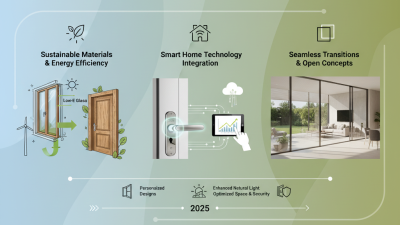
Window sliding doors are increasingly favored for their ability to maximize natural light and provide seamless access to outdoor areas. They come in various styles and materials, allowing homeowners to find the perfect match for their design vision. Furthermore, with advancements in technology, today's sliding doors offer enhanced energy efficiency and security features, making them a wise choice for both functionality and aesthetics.
As you plan your home improvement project, consider how window sliding doors can transform your living space. From creating a bright and airy atmosphere to enhancing your home's connection with nature, these doors are not just a practical addition; they're a statement of style and design.
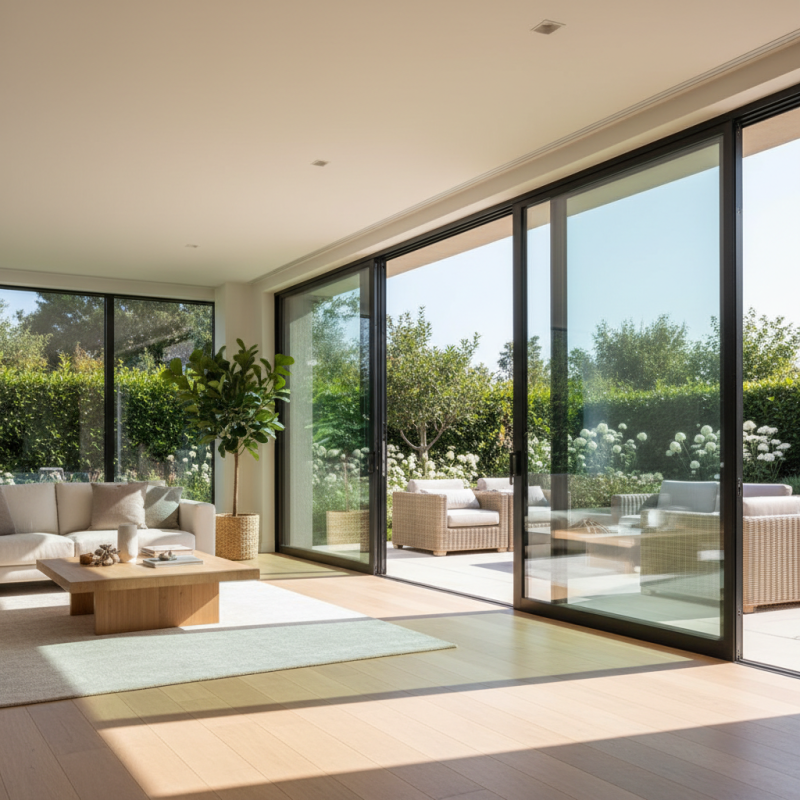
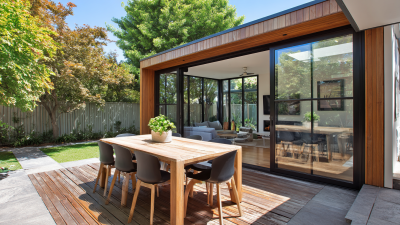
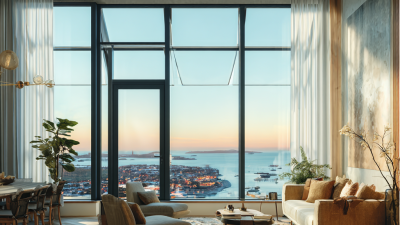
When it comes to enhancing your home’s aesthetic and functionality, sliding doors emerge as a versatile option suitable for various home styles. According to a report by the National Association of Home Builders (NAHB), sliding doors are gaining popularity due to their ability to seamlessly connect indoor and outdoor spaces. This feature is particularly appealing in modern and contemporary homes, where expansive glass panels not only maximize light but also provide stunning views of the outside landscape.
For traditional homes, classic wood-framed sliding doors can add warmth and charm, maintaining the home’s character while introducing functional design. The American Institute of Architects indicates that over 40% of architects incorporate sliding doors into their designs to enhance space fluidity. On the other hand, homes with a minimalist aesthetic often benefit from sleek aluminum frames and large glass panels, which contribute to a clean and airy atmosphere while ensuring energy efficiency. As highlighted by the Department of Energy, energy-efficient sliding doors can reduce heating and cooling costs, making them a smart choice for homeowners looking to increase comfort and lower energy bills without sacrificing style.
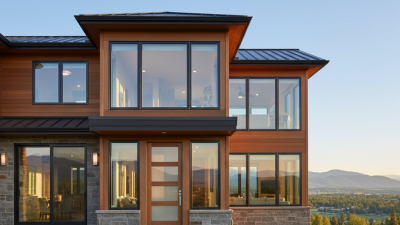
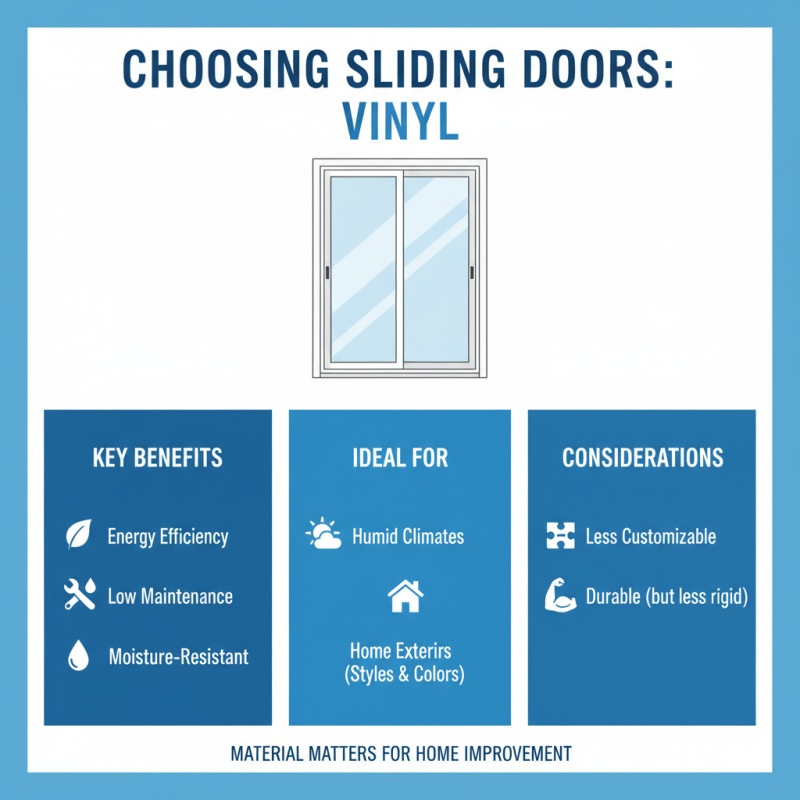
When choosing the best sliding doors for your home improvement project, the material plays a crucial role in functionality, aesthetics, and maintenance. Vinyl sliding doors are known for their energy efficiency and low maintenance requirements. They are lightweight and resistant to moisture, making them an excellent choice for humid climates. Additionally, vinyl offers a variety of styles and colors, enabling homeowners to find a design that complements their home’s exterior. However, while vinyl is durable, it can be less customizable than other materials.
Wood sliding doors, on the other hand, provide a classic and warm look that many homeowners desire. They are highly customizable in terms of finishes and designs, allowing for seamless integration into various architectural styles. Though wood offers beauty, it requires more maintenance to prevent rot and warping over time, especially in regions with varying weather conditions. Regular painting or sealing is necessary to maintain their appearance and longevity.
Aluminum sliding doors strike a balance between sturdiness and modern appeal. They are incredibly durable, resistant to corrosion, and can withstand harsh weather conditions without warping or cracking. Aluminum frames are typically slimmer, allowing for larger glass panels that maximize natural light and offer expansive views. While they can conduct heat and cold, modern thermal break technology significantly improves their insulation properties. Thus, when selecting sliding doors, considering the material's benefits and drawbacks is essential for achieving your desired look and performance.
When considering home improvement projects, energy efficiency is a paramount concern, especially with window sliding doors.
Energy-efficient sliding doors can play a significant role in reducing energy consumption and costs. According to the American Council for an Energy-Efficient Economy (ACEEE), replacing a single-pane sliding door with an Energy Star-rated option can save homeowners between $100 and $150 annually on energy bills. This figure highlights the importance of selecting doors that not only enhance aesthetics but also deliver substantial savings over time.
The energy efficiency of sliding doors largely depends on their insulation properties and the materials used in their construction. High-performance sliding doors often feature double or triple glazing, Low-E (low emissivity) glass coatings, and argon gas fills, which significantly reduce thermal transfer. Research from the Department of Energy indicates that well-insulated doors can reduce heating and cooling costs by up to 20%. Additionally, installing doors with proper sealing and weather stripping can prevent drafts, further enhancing energy efficiency. As homeowners prioritize sustainable living, energy-efficient sliding doors present an ideal solution for cost savings while contributing to a greener environment.
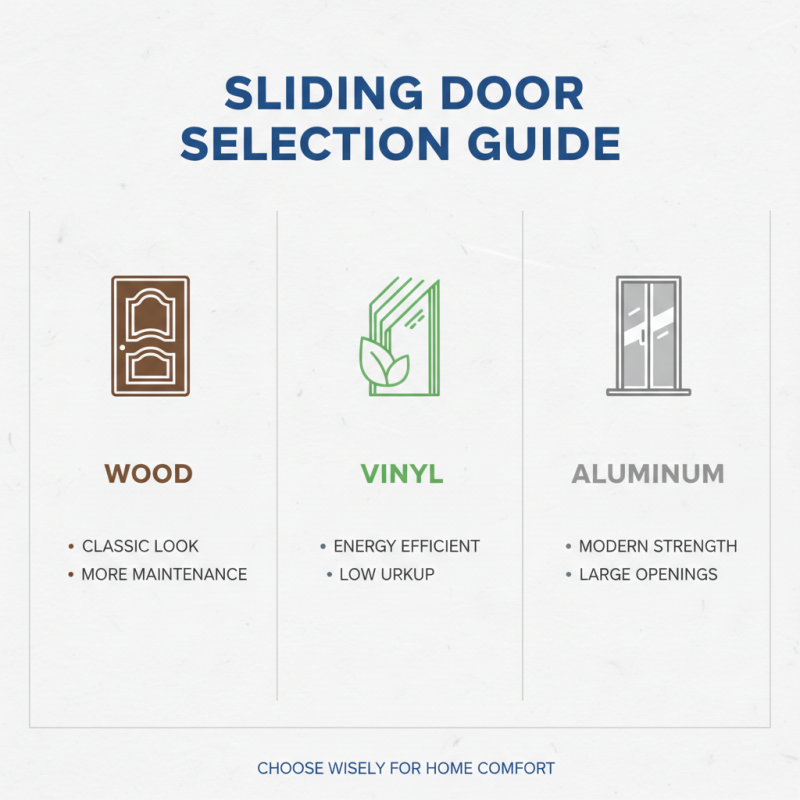
When selecting sliding doors for your home improvement project, several key features should be prioritized to ensure a perfect fit and functionality. Firstly, the material of the sliding door is crucial. Options typically include wood, vinyl, and aluminum, each offering distinct aesthetic appeal and durability. Wooden doors provide a warm, classic look but require more maintenance. In contrast, vinyl doors offer energy efficiency and require less upkeep, while aluminum doors, known for their strength and modern appearance, are ideal for larger openings.
Another important consideration is the type of glazing used in the sliding doors. Double or triple-pane glass provides better insulation, improving energy efficiency and reducing noise from outside. Additionally, you should consider the door's security features, including sturdy frames and advanced locking systems, to ensure your home remains safe. Finally, the sliding mechanism itself should operate smoothly; look for durable rollers and tracks that ensure effortless operation over time. By focusing on these essential features, you can select the perfect sliding doors that complement your home while meeting your functional needs.
When installing sliding doors for your home improvement project, attention to detail is paramount. According to a 2022 report from the National Association of Home Builders, improper installation is a leading cause of performance issues, accounting for as much as 30% of all door-related complaints. One of the most common pitfalls is failing to properly level the door frame.
An uneven installation can result in operational difficulties and may lead to air leaks, compromising energy efficiency. A well-leveled frame ensures that the sliding mechanism operates smoothly, and helps in achieving an aesthetically pleasing finish.
Another critical aspect is ensuring proper weatherproofing. Studies show that homes with poorly sealed sliding doors can lose up to 20% more energy compared to those with well-installed options. To avoid this, it is essential to use high-quality weatherstripping and caulk, particularly at the seams. Before installation, it’s beneficial to conduct a thorough check for any damage to the door or frame. Implementing these installation tips not only enhances the door's performance but also prevents costly repairs down the line, ultimately leading to a more successful home improvement project.