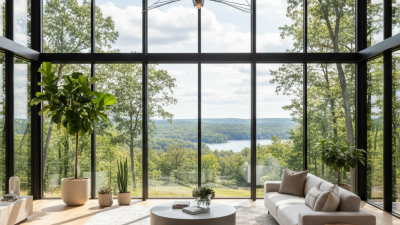
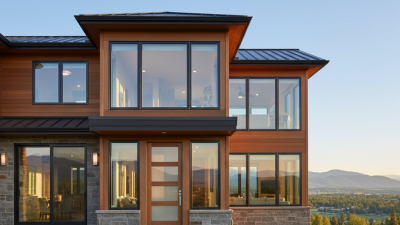
In the realm of architecture, the curtain wall has emerged as a game-changer. Experts like Jack Thompson, a leading figure in facade technology, once said, “Curtain walls transform buildings into visually striking pieces of art.” This sentiment captures the evolving nature of curtain wall designs, which blend aesthetics and functionality.
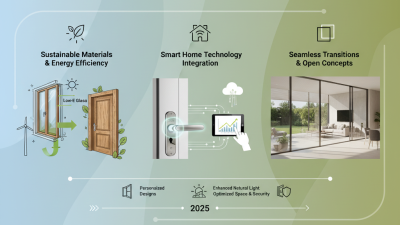
As we look ahead to 2026, several exciting trends are shaping this industry. Sustainable materials are becoming increasingly popular, reflecting a global shift toward eco-conscious construction. Furthermore, innovative glazing techniques enhance energy efficiency while allowing natural light to flood interiors. However, these advancements also pose challenges. Balancing design with structural integrity has never been more critical.
Architects and builders must consider these evolving trends carefully. While the desire for unique visual statements grows, there's a risk of overlooking practicality. The curtain wall should not only be beautiful but also durable and functional. As we explore the best designs and trends of 2026, it's essential to reflect on both successes and areas for improvement in curtain wall applications.
As we approach 2026, curtain wall design is evolving. Emerging materials will play a pivotal role.
Architects are exploring options like graphene and bio-based composites.
These materials promise enhanced strength while reducing environmental impact.
Incorporating sustainable materials presents challenges. Sourcing these innovative options can be difficult.
Some architects find limited availability stifles creativity. However, integrating them into designs can yield striking results.
The aesthetic appeal of these materials can transform buildings, making them both functional and beautiful.
Tips for designers:
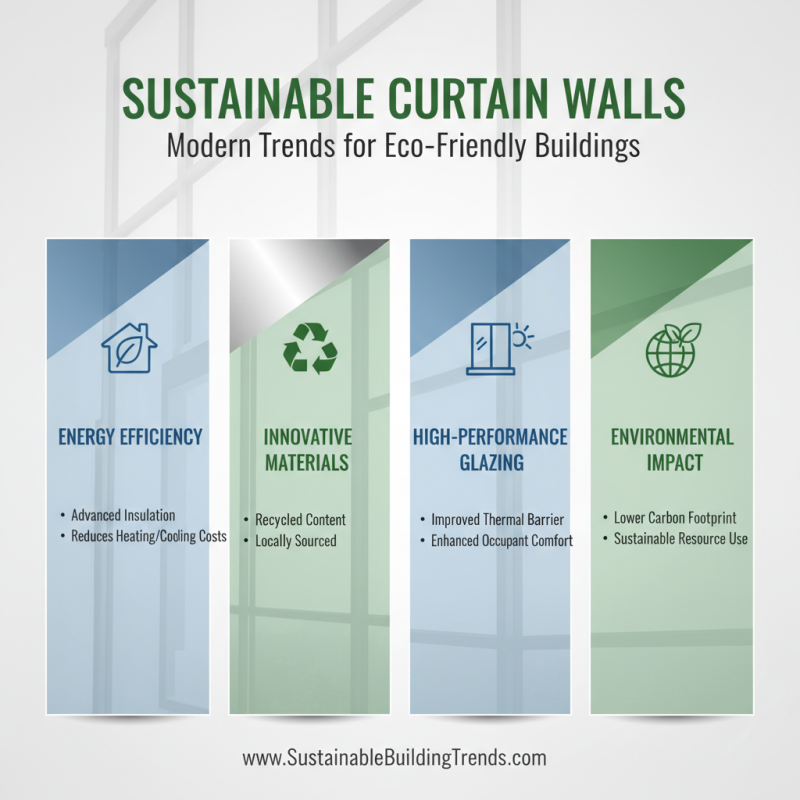
Sustainable practices are transforming curtain wall designs. Architects now prioritize energy efficiency. Innovative materials are at the forefront. For instance, using recycled or locally sourced materials reduces environmental impact. High-performance glazing can improve insulation. This not only cuts energy costs but enhances comfort.
Natural ventilation is gaining traction too. Designers are integrating operable windows and air flow patterns. These elements can minimize reliance on HVAC systems. Yet, there are challenges. Often, balancing aesthetics and functionality is tough. Sometimes, designs look impressive but fall short in practice.
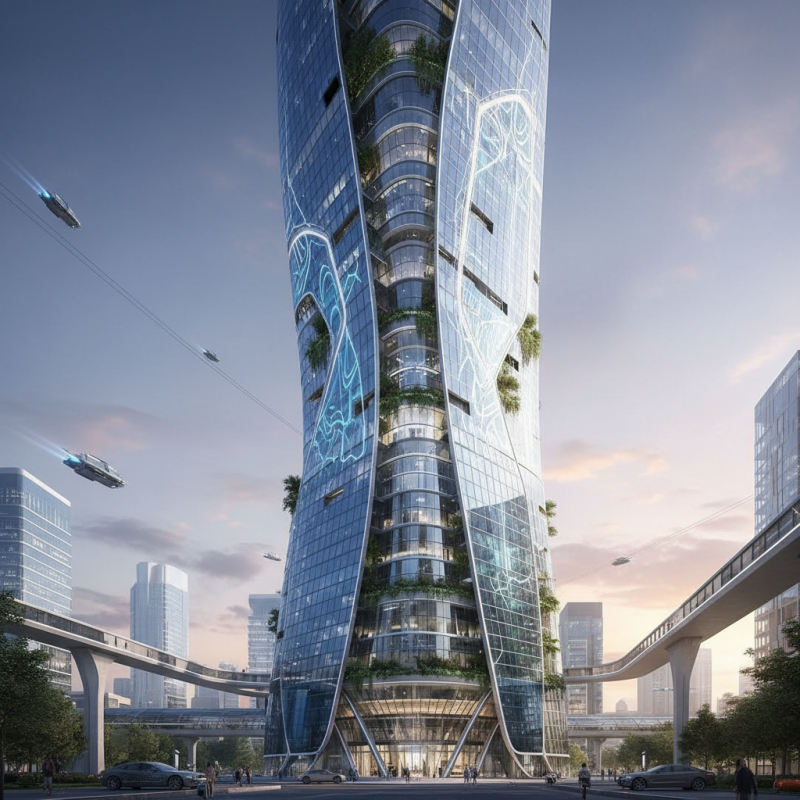
Another trend is the use of greenery in curtain walls. Vertical gardens not only enhance beauty but also improve air quality. However, maintenance can be complicated. It's essential to consider ecosystem dynamics. Sustainable curtain walls should not just be about trends but about thoughtful, lasting solutions.
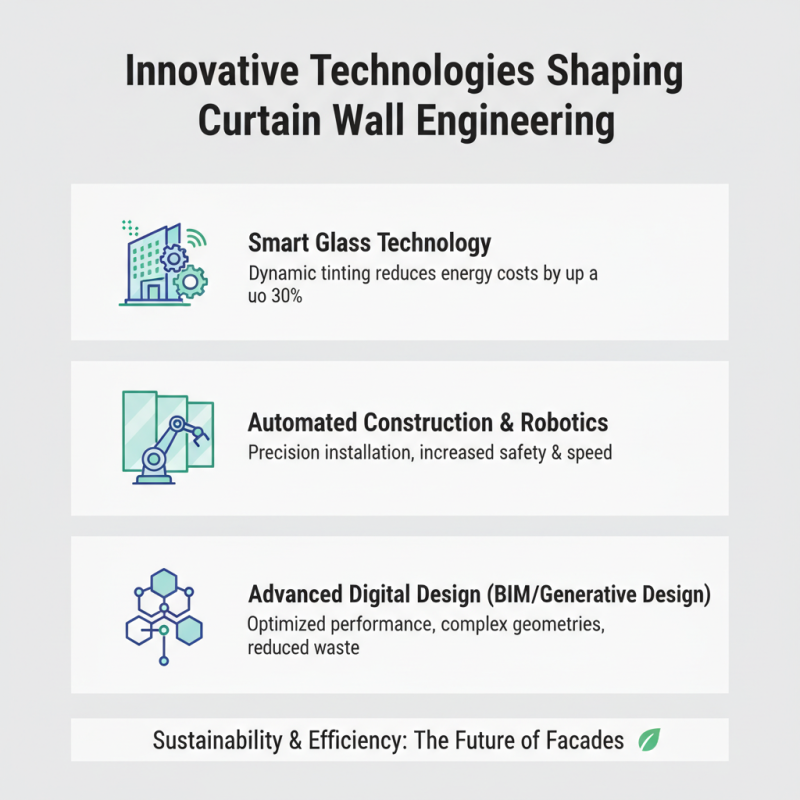
The curtain wall industry is evolving rapidly. Innovative technologies are transforming the way we think about building facades. These advancements are not just about aesthetics; they are crucial for performance. Reports suggest that smart glass technology can reduce energy costs by up to 30%. This is significant in an era focused on sustainability.
Automation in the production of curtain walls is gaining traction. Robotics streamline manufacturing processes, which improves precision. A recent survey indicated that firms using automated systems saw a 20% reduction in material waste. Yet, challenges remain. Many smaller companies struggle to adopt these costly technologies, leaving them behind in a competitive market.
Moreover, the integration of biophilic design into curtain walls is becoming more common. This approach connects occupants with nature, promoting well-being. Data shows that such designs can enhance occupant productivity by around 15%. Still, the implementation of these concepts can be complex. Balancing cost, design, and functionality requires careful consideration and, at times, trial and error.
The visual appeal of curtain walls is increasingly influenced by aesthetic trends. Current designs emphasize simplicity and elegance. Minimalist lines and sleek materials are favored. A recent report indicates that 72% of architects prefer using glass for its transparency and light-reflecting qualities. This choice enhances modern aesthetics and connects interiors to the outside.
Success in curtain wall design requires an understanding of materials. For instance, using textured glass can add depth to a building's facade. Patterns can play a significant role in visual interest. Consider incorporating elements like shades and colors that complement the environment.
Tips: Experiment with different finishes. Textured surfaces can create a dynamic look. Balance is key; too many elements can overwhelm. It’s essential to reflect on the overall harmony of the design, ensuring every component works together cohesively. Be cautious of trends that focus too heavily on the superficial. They may detract from functional aspects.
Cultural influences play a significant role in shaping curtain wall designs across the globe. The diversity in styles is fascinating, with each region reflecting its unique heritage. Recent reports indicate that architectural firms increasingly incorporate local elements into their designs. For instance, in Asia, traditional motifs often merge with modern aesthetics. Such hybrid designs create a distinctive visual identity.
Specific trends show that sustainable practices are gaining traction. According to industry data, 70% of architects consider sustainability a vital aspect. This focus often leads to challenges. Balancing tradition with contemporary needs can lead to conflict. How can we respect cultural heritage while focusing on efficiency?
Another striking detail is the rise of interactive façades. These walls respond to environmental factors like light and temperature. While innovative, this approach sometimes overshadows cultural expressions. The industry must reflect on whether modernity erases individuality. As curtain wall designs evolve, the interplay of culture and innovation will be crucial. Embracing imperfection may lead to more authentic creations.
| Design Style | Cultural Influence | Material Highlights | Key Features | Sustainability Aspect |
|---|---|---|---|---|
| Geometric Patterns | Islamic Architecture | Glass, Aluminum | Intricate Facade Designs | Recycled Materials |
| Nature-Inspired | Scandinavian Design | Wood, Eco-Friendly Glass | Biophilic Design Elements | Energy-Efficient Systems |
| Minimalist | Japanese Aesthetics | Steel, Composite Panels | Clean Lines, Open Spaces | Low Carbon Footprint |
| Futuristic Designs | Modernist Movement | Smart Glass Technology | Dynamic Facades | Adaptive Solar Control |
| Art Deco Revival | European Art Movements | Ornamental Metalwork | Luxury Finishes | Use of Reclaimed Materials |