Aluminum curtain wall systems have become essential in modern architecture. They offer both elegance and functionality for contemporary buildings. These systems create sleek façades, allowing natural light into spaces while ensuring energy efficiency.
The variety of aluminum curtain wall designs caters to different architectural styles. Some are minimalist, enhancing a building's modern look. Others incorporate unique textures or colors, adding visual interest. However, selecting the right system can be challenging. There are many options to consider, and not all may fit a project's specific needs.
It's crucial to weigh the benefits against potential drawbacks. Some aluminum curtain walls may require more maintenance than expected. Others might not perform well in extreme weather conditions. Understanding these details can lead to better decision-making. The ideal aluminum curtain wall system strikes a balance between aesthetics and practicality for lasting impact.
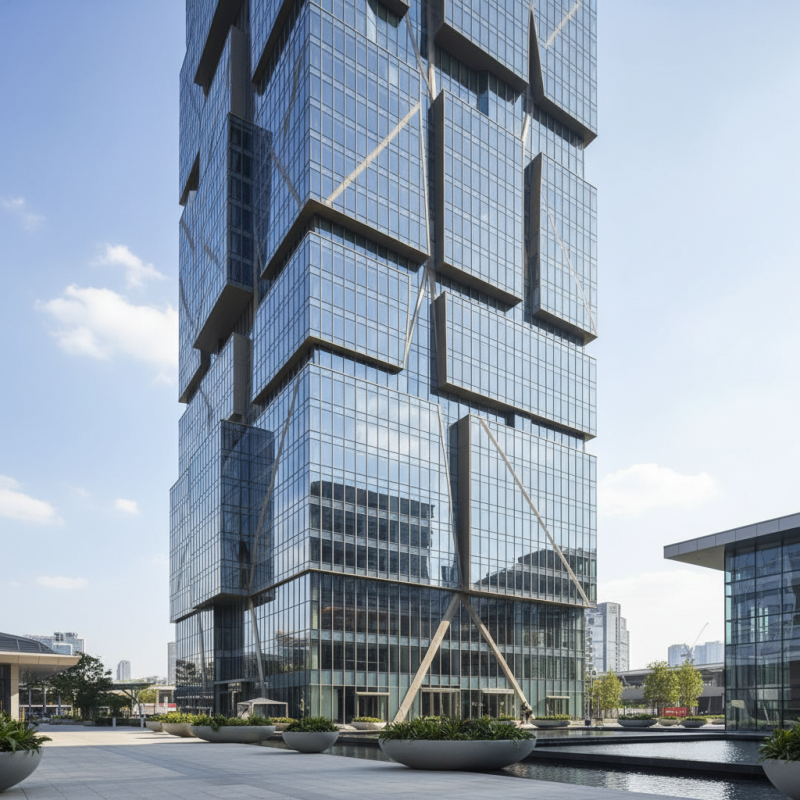
Aluminum curtain wall systems have become a popular choice for modern buildings. These systems offer a sleek and contemporary aesthetic while providing durability and energy efficiency. With their lightweight nature, aluminum frames allow for extensive glass use. This feature enhances natural light intake, contributing to brighter interior spaces.
However, there are challenges in implementing these systems. The installation process can be complex, requiring skilled labor. Proper weather sealing is vital to prevent leaks and insulation issues. Moreover, design flexibility can sometimes lead to structural concerns if not carefully managed. Architects must balance aesthetics with functionality, which can be a tricky endeavor.
The maintenance of aluminum curtain walls is another aspect worth discussing. While they are generally low-maintenance, occasional inspections are necessary. Scratches and dents can occur, affecting the appearance. Regular cleaning is also essential to preserve the material's sheen. Therefore, while aluminum curtain wall systems offer numerous benefits, they require thoughtful consideration throughout the design and maintenance phases.
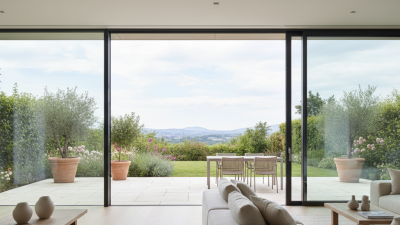
Modern aluminum curtain wall systems are crucial for contemporary architecture. These systems have evolved significantly, offering various benefits. One key feature is their lightweight yet durable structure. According to a report by the International Journal of Architectural Engineering, lightweight materials reduce stress on building frames. This means better support for higher structures.
Energy efficiency stands out as another advantage. Many recent systems use insulated glass. This helps maintain indoor temperatures, reducing HVAC loads. A study from the Energy Efficiency in Buildings report highlights that proper insulation can save up to 30% on energy costs. However, it is vital to choose the right materials. Poor choices may lead to thermal bridging, compromising efficiency.
Aesthetics play a vital role as well. Sleek designs can enhance a building's visual appeal. The Modern Architectural Research Institute shows that buildings with attractive exteriors can increase property values by up to 20%. Yet, beauty must come paired with functionality. Complicated designs may pose installation challenges. Ensuring high-quality installation is crucial for performance.
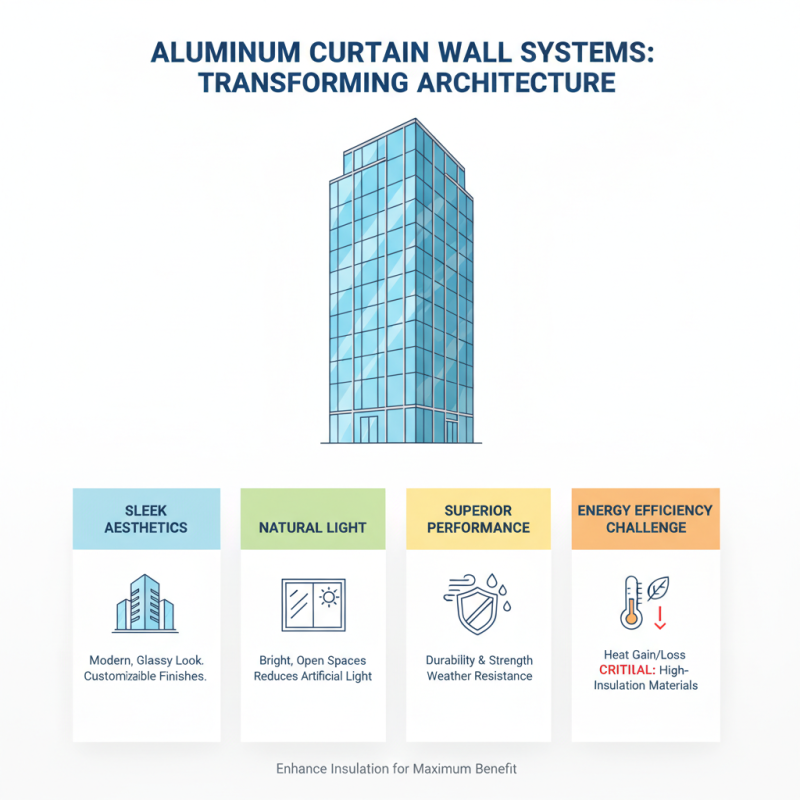
Aluminum curtain wall systems have transformed contemporary architecture. These structures offer sleek aesthetics while providing superior performance. They allow natural light to flood in, creating vibrant spaces. However, they can sometimes lack energy efficiency. It’s vital to choose materials that enhance insulation. Otherwise, the intended benefits may diminish.
Design flexibility is another appealing aspect. Architects can experiment with shapes and sizes. Yet, too many design options can lead to overwhelming decisions. Simplicity often yields better results. It’s also crucial to ensure proper installation. Poorly executed installations can result in leaks or structural issues. Regular maintenance is essential to combat wear and tear over time.
The visual appeal of aluminum systems cannot be overstated. They can seamlessly blend modern design with functionality. However, the initial investment can be significant. Weighing short-term costs against long-term benefits is necessary. The choice between aesthetic and practicality is ongoing. Thoughtful planning must guide the decision-making process to achieve the best outcome for contemporary buildings.
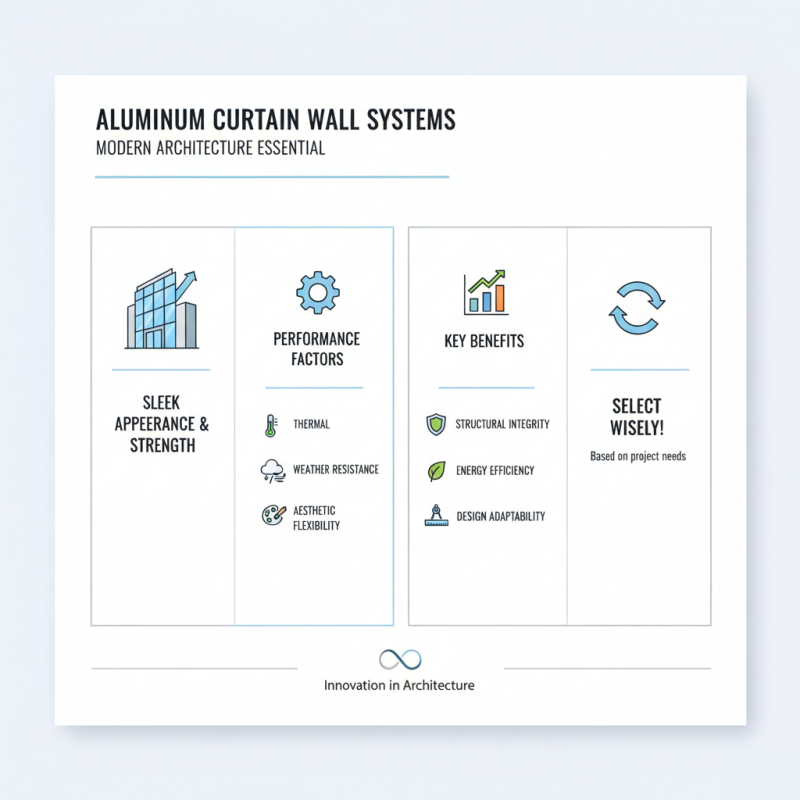
Aluminum curtain wall systems are essential for modern architecture. They offer a sleek appearance while providing structural integrity. Performance varies significantly among different systems. Factors like thermal performance, weather resistance, and aesthetic flexibility play crucial roles.
In energy efficiency evaluations, some systems excel. They reduce heat transfer effectively. However, not all options meet high energy standards. This inconsistency can lead to unnecessary energy costs. Durability is another aspect to consider. Certain systems face challenges against extreme weather. Tests show that some struggle with water penetration. This can compromise building integrity over time.
The installation process should also be scrutinized. Complexity can lead to errors, impacting the overall performance. While many designs look appealing, they may not always be practical. Architects often overlook maintenance requirements, which can pose issues later. Balancing design and functionality remains a challenge in curtain wall selection.
Aluminum curtain wall systems are pivotal in modern architectural design. As energy efficiency becomes a priority, many designs now focus on optimizing thermal performance. According to a report by the Energy Center, buildings with advanced aluminum curtain walls can reduce energy consumption by up to 30%. Insulating glazing and low-emissivity coatings are key features that enhance energy efficiency in these systems.
Architectural trends show a growing preference for minimalist aesthetics. Designers are opting for sleek lines and expansive glass facades that invite natural light. However, achieving this requires careful consideration of structural integrity and weather resistance. Many buildings experience issues such as water infiltration and thermal expansion due to improperly installed curtain walls. The American Society of Civil Engineers notes that 20% of facade-related failures stem from inadequate design or installation choices.
Sustainable materials are also gaining traction. More architects are leveraging recycled aluminum and high-performance glass in their designs. Despite the benefits, the cost of these materials can be prohibitive. A study from the Global Sustainability Council indicates that while the initial investment may be high, the long-term savings in energy and maintenance often justify the costs. This balance of aesthetics, function, and sustainability remains a critical focus in modern building design.