2026 Best Alu Windows and Doors for Global Buyers?
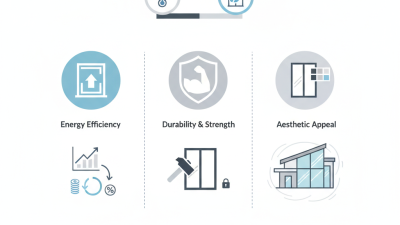
As the demand for energy-efficient solutions increases, industry reports highlight the growing popularity of alu windows and doors among global buyers. These products not only offer superior durability but also enhance aesthetics in residential and commercial buildings. According to a 2022 market analysis by Grand View Research, the global demand for aluminum windows and doors is expected to reach $74.36 billion by 2028, expanding at a CAGR of 5.5%. This trend reflects a shift towards sustainable architecture.
With the rise of eco-consciousness, alu windows and doors are lauded for their thermal insulation properties. They achieve significant energy savings by minimizing heat transfer. However, some buyers express concerns about initial investment costs and long-term maintenance. While alu products assure longevity, choosing the right finish can be challenging. Understanding these nuances can empower buyers in making informed decisions.
Nevertheless, not all suppliers provide the same quality. Variability in manufacturing standards could affect performance. It's crucial for consumers to verify certifications and warranties when selecting their products. Engaging with reputable manufacturers enhances reliability and trustworthiness in the purchase of alu windows and doors.
2026 Trends in Aluminium Windows and Doors for Global Buyers
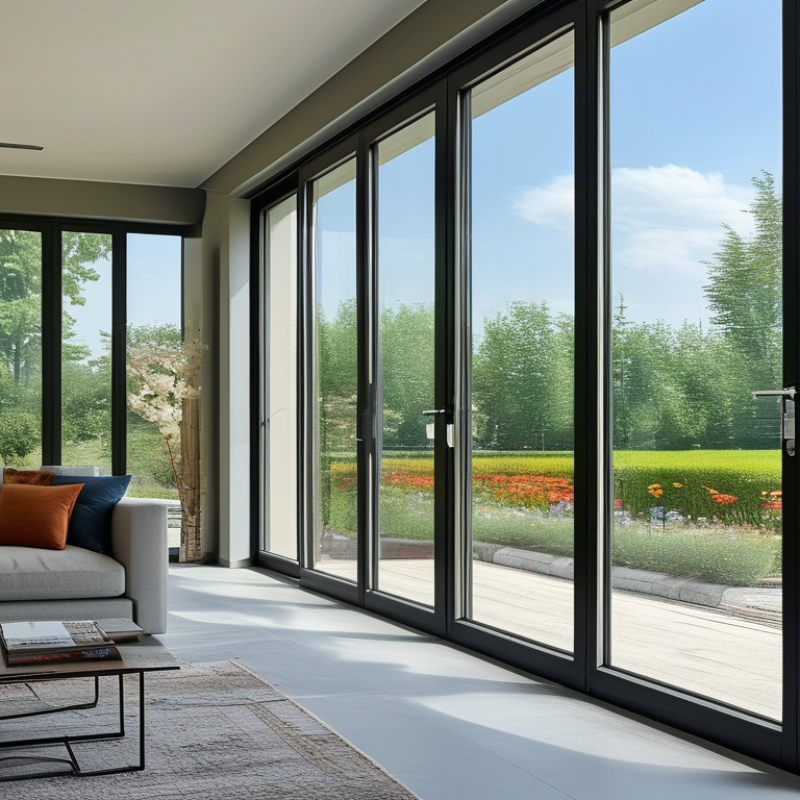
In 2026, the landscape for aluminium windows and doors is evolving rapidly. High energy efficiency is now a priority for many buyers. Designs are becoming sleeker and more modern, appealing to a diverse range of architectural styles. Buyers are increasingly looking for customizable options that reflect their unique tastes. Enhanced thermal insulation features are also becoming standard, which meets demands for energy conservation.
Sustainability is another significant trend. Many manufacturers are utilizing recycled aluminium in their production. This decision not only reduces environmental impact but also resonates with eco-conscious buyers. However, the supply chain can face challenges. The sourcing of sustainable materials can sometimes lead to delays and increased costs. Additionally, while the durability of aluminium is well-known, not all suppliers maintain consistent quality. This inconsistency can leave buyers frustrated, as they seek reliable options.
Colors and finishes are expanding. The trend includes deeper tones and textured surfaces that mimic wood. This versatility allows aluminium to blend seamlessly with different home aesthetics. Yet, such innovations may sometimes compromise on traditional designs, prompting buyers to think critically about their choices. As 2026 approaches, understanding these details will be essential for making informed decisions in the aluminium window and door market.
Key Features to Look for in Aluminium Windows and Doors
When considering aluminium windows and doors, several key features stand out. First, energy efficiency is crucial. Look for products with double or triple glazing. This will enhance insulation and reduce energy bills. Quality framing is also important. Durable and resistant materials ensure longevity and withstand various weather conditions.
Aesthetics play a significant role in your selection. Choose designs that complement your home’s architecture. Customizable options allow for a personalized touch. Security features should not be overlooked. Ensure that locks and hardware are robust. This deters potential intruders and provides peace of mind.
Reflecting on your choice is important. Some buyers may focus solely on price, but this can lead to disappointment. Quality materials sometimes come with higher upfront costs, but they save money in the long run. Remember, the installation process also affects performance. Professional installation is often worth the investment. Make choices that balance appearance, function, and durability.
Top Manufacturers of Aluminium Windows and Doors Worldwide
Choosing the right aluminium windows and doors is crucial for homeowners and builders alike. The global market offers a diverse range of options with varying designs and performance levels. Many manufacturers focus on energy efficiency. They employ advanced insulation technology to ensure comfort and reduce energy bills. The selection process can feel overwhelming for buyers.
Some manufacturers emphasize sustainability. They use recycled materials in their production process. This not only reduces environmental impact but also appeals to eco-conscious consumers. However, it’s vital to assess the long-term durability of these products as they may not always meet high-performance standards. Buyers should compare customer reviews and expert opinions to make informed decisions.
Design is another aspect that deserves attention. Many manufacturers offer customizable options to suit unique architectural styles. This flexibility allows buyers to find the perfect match for their project. Yet, not all designs are practical. Buyers can face challenges in installation and maintenance if they choose complex or innovative styles without thorough research. Engaging with trusted sources and consulting professionals can mitigate these risks.
2026 Best Alu Windows and Doors for Global Buyers
| Dimension |
Type |
Color Options |
Energy Rating |
Price Range (per unit) |
| 48"x72" |
Sliding Window |
White, Grey, Black |
A++ |
$200 - $300 |
| 36"x80" |
Hinged Door |
Brown, Black |
A+ |
$250 - $400 |
| 60"x60" |
Casement Window |
White, Green |
A++ |
$180 - $280 |
| 72"x80" |
French Door |
White, Beige |
A |
$500 - $700 |
| 36"x36" |
Awning Window |
Grey, Black |
A++ |
$150 - $220 |
Comparative Analysis: Aluminium vs. Other Window and Door Materials
When choosing windows and doors, many buyers consider aluminium alongside other materials. Aluminium is known for its strength and durability, making it a popular choice. It withstands harsh weather conditions without warping or cracking. Despite its advantages, aluminium can conduct heat and cold, leading to energy loss. Consider thermal breaks in aluminium frames to enhance efficiency.
In contrast, wooden windows provide natural insulation but require regular maintenance. They can also be more expensive over time, as they need repainting and sealing. Vinyl windows offer low maintenance and good insulation but may lack the aesthetic appeal of aluminium and wood.
Tips for making a choice: measure the area to ensure a perfect fit. Think about your local climate, as it can impact material selection. Explore finish options as different materials may provide various styles. Evaluating long-term durability versus initial costs is crucial for budgeting. Remember, it's essential to balance beauty with functionality in your decision.
Guide to Sustainability and Energy Efficiency in Aluminium Products
Sustainability and energy efficiency are crucial in today’s building materials market, particularly for aluminium windows and doors. Aluminium is increasingly recognized for its durability and low environmental impact. However, not all aluminium products are created equal. Some processes can lead to increased carbon footprints. Buyers should consider sourcing materials from suppliers that prioritize eco-friendly practices.
Energy efficiency plays a significant role in reducing heating and cooling costs. High-performance aluminium windows and doors can dramatically improve insulation and thermal performance. Look for products that meet or exceed stringent energy standards. Good insulation can reduce energy consumption by keeping indoor temperatures stable. However, achieving this often requires careful consideration of design and material choices.
It's important to reflect on the lifecycle of aluminium products. Although aluminium can be recycled, improper disposal can still contribute to waste. Buyers should educate themselves about responsible recycling methods and advocate for products designed with end-of-life considerations in mind. Choosing suppliers committed to sustainability ensures that the industry's evolution leans toward a greener future, yet constant vigilance and awareness are needed.