Curtain wall construction represents a significant advancement in modern architectural design. This technique not only enhances the aesthetic appeal of buildings but also provides multiple functional advantages. In urban areas, where space is limited, incorporating curtain walls allows for innovative designs that maximize natural light and space efficiency.
One benefit of curtain wall construction is its ability to improve energy efficiency. These walls often utilize lightweight materials, reducing the overall structural load. They can also be designed to enhance insulation, lowering heating and cooling costs. However, there can be a trade-off with initial installation costs.
Another aspect worth noting is the flexibility in design. Curtain walls can adapt to various styles and requirements. Yet, this flexibility may sometimes lead to challenges in maintaining structural integrity. Despite these imperfections, the advantages of curtain wall systems remain compelling, making them a preferred choice in modern buildings.
Curtain wall systems offer significant advantages in energy efficiency, which is crucial for modern buildings. Studies indicate that buildings with curtain walls can reduce energy consumption by up to 30%. This reduction primarily stems from improved insulation properties and enhanced natural lighting. For instance, using energy-efficient glazing helps minimize heat loss during winter and heat gain during summer. The benefits are clear, especially in urban areas where energy costs are rising.
Moreover, integrating advanced technologies like low-E coatings and automated shading devices contributes to optimal thermal performance. Industry reports suggest that smart curtain walls can decrease the need for artificial lighting by up to 40%. While these systems bring many benefits, installation and maintenance can be challenging. It's essential to ensure proper sealing and regular inspections to maintain their effectiveness over time. The initial investment might seem high, but the long-term savings and environmental impact make curtain walls a valuable choice for sustainable architecture.
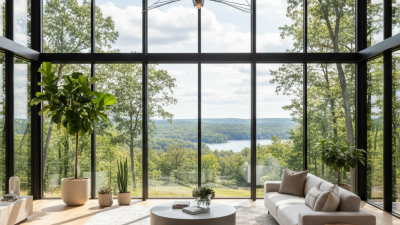
Natural light significantly enhances occupant well-being and productivity in modern buildings. According to a report by the World Green Building Council, workplaces with ample natural light can improve employee productivity by up to 15%. Natural light helps regulate circadian rhythms, promoting better sleep and mood. Employees exposed to daylight report feeling less stressed and more energized.
However, while the benefits are clear, many buildings fail to utilize light effectively. Poor design can lead to glare or heat, making spaces uncomfortable. The key is balancing light and shade. Designers must consider window placement to maximize daylight without compromising comfort. Over-reliance on glass can also raise energy costs. Hence, using advanced glazing technologies can result in better thermal performance while still allowing sufficient light.
Moreover, natural light doesn’t just impact individual productivity. It can influence teamwork and collaboration. An environment bathed in light promotes communication and creativity. Yet, not every building harnesses this potential. Architects often overlook the importance of good daylighting, leading to missed opportunities. Further research is essential to understand how lighting design affects various aspects of building performance.
| Benefit | Description | Impact on Occupant Well-Being | Impact on Productivity |
|---|---|---|---|
| Natural Light Maximization | Curtain walls allow large areas of glazing to let in natural light. | Improves mood and reduces eye strain. | Enhances focus and reduces fatigue. |
| Aesthetic Appeal | Provides a modern and sleek appearance to buildings. | Creates a pleasant visual environment. | Increases workplace satisfaction. |
| Energy Efficiency | Reduces energy consumption through effective insulation. | Maintains comfortable indoor temperatures. | Boosts productivity by keeping a stable environment. |
| Noise Reduction | Minimizes external noise pollution with proper sealing. | Creates a quieter and more serene space. | Enhances concentration and reduces distractions. |
| Durability | Built with strong materials resistant to weathering. | Ensures a safe environment for occupants. | Reduces maintenance disruption for workers. |
| Flexibility in Design | Allows architects to create unique building designs. | Encourages creativity and inspiration. | Stimulates innovative thinking in collaborative spaces. |
| Sustainability | Can utilize recycled materials and low-impact resources. | Promotes environmental consciousness. | Engages Occupants with sustainable practices. |
| Reduced Construction Time | Prefabricated components speed up the building process. | Less disruption during the construction phase. | Allows faster occupancy and utilization of the space. |
| Enhanced Natural Ventilation | Allows for better air circulation in buildings. | Improves air quality, positively affecting health. | Provides a more comfortable environment for work. |
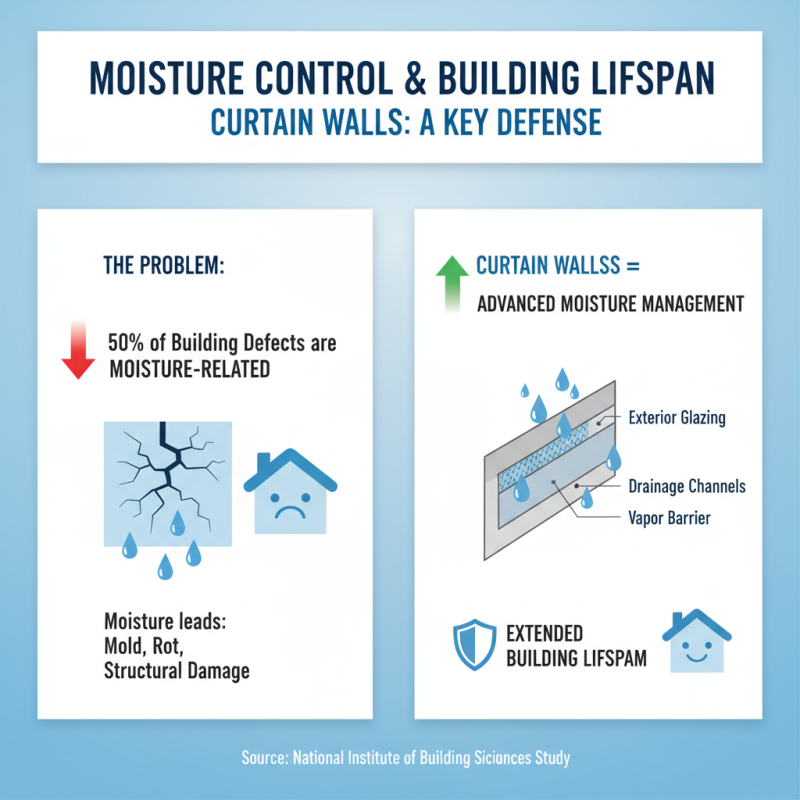
Curtain walls have gained attention for their role in building moisture control, crucial for extending a structure's lifespan. According to a recent study from the National Institute of Building Sciences, an estimated 50% of all building defects are moisture-related. This staggering statistic underscores the importance of proper moisture management in construction.
The design of curtain walls includes materials that resist water penetration. High-quality glass and coatings can minimize leaks. A well-installed curtain wall system can reduce the risk of mold and deterioration. In regions with heavy rainfall or high humidity, this is especially vital. A survey by the American Institute of Architects (AIA) found that buildings with effective moisture control can last up to 25% longer.
Yet, not all implementations are flawless. Poor installation or inadequate design can lead to significant issues. Moisture can still penetrate through seams if not correctly addressed. Buildings in coastal areas often face unique challenges due to saltwater intrusion. Regular maintenance checks are necessary to prevent long-term damage.
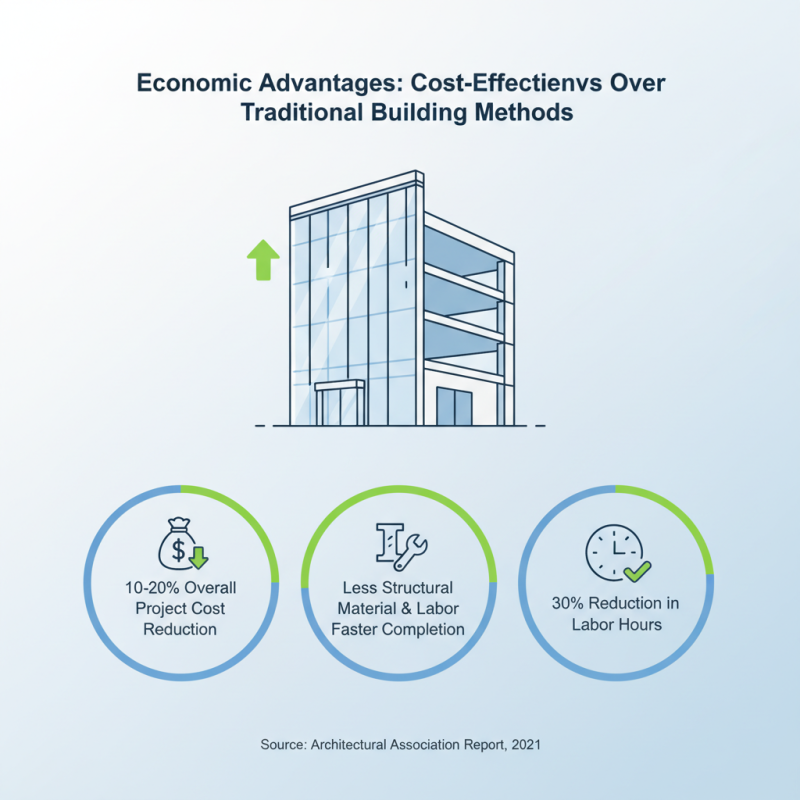
Curtain wall construction presents notable economic advantages compared to traditional building methods. Studies show that using curtain walls can reduce overall project costs by 10-20%. This method often requires less structural support, saving material costs. A 2021 report from the Architectural Association highlights that curtain walls can reduce labor hours by nearly 30%. This efficiency can lead to faster project completion.
In addition, the energy efficiency of curtain walls can lower operational costs. Modern materials offer improved insulation, cutting heating and cooling expenses. Recent energy audits indicate that buildings with curtain walls can achieve up to 40% energy savings. However, upfront costs for high-quality materials may be a barrier for some projects. It's essential to evaluate long-term savings versus initial investments.
Sometimes, architects and builders face challenges in integrating curtain walls into older building designs. Balancing aesthetics and functionality is no easy task. Additionally, fluctuations in material prices can impact financial forecasts. As the market evolves, it's vital to remain adaptable. Using data-driven approaches can help oversee these complications but caution is still necessary.
Curtain wall construction is gaining popularity for its sustainability features. These systems allow for large glass facades, which maximize natural light. Natural light reduces the need for artificial lighting, leading to lower energy consumption. The integration of energy-efficient materials further enhances building performance.
On the flip side, curtain walls can sometimes lead to excessive solar gain. A careful balance in design and materials is essential. Consider using shading devices to mitigate this issue. This simple step can improve thermal comfort and reduce reliance on cooling systems.
Tips for creating an eco-friendly curtain wall include choosing low-emissivity glass. This glass minimizes heat transfer and keeps indoor environments comfortable. Additionally, utilizing recycled materials in framing components can reduce environmental impact. Thoughtful design choices can lead to significant energy savings and a reduced carbon footprint.