Top 10 Benefits of Aluminum Curtain Wall for Modern Architecture

In modern architecture, the use of aluminum curtain walls has revolutionized building design. Renowned architect Michael Johnson states, “Aluminum curtain walls bring structure and beauty together.” This powerful combination offers both aesthetic appeal and functionality.

Aluminum curtain walls are lightweight yet sturdy. They allow for expansive glass surfaces, enhancing natural light and visual connection with the outdoors. However, the installation process requires great precision, which can become a challenge for some firms. It's vital to balance design intent with practical execution.

Moreover, the long-term maintenance of aluminum curtain walls should not be overlooked. While they are durable, homeowners must ensure regular upkeep to maintain their appearance and performance. This can often be a point of reflection for architects and builders alike, highlighting the importance of planning for the future in modern design.
Top 10 Benefits of Aluminum Curtain Wall for Modern Architecture

Benefits of Aluminum Curtain Walls in Enhancing Aesthetic Appeal

Top 10 Benefits of Aluminum Curtain Wall for Modern Architecture

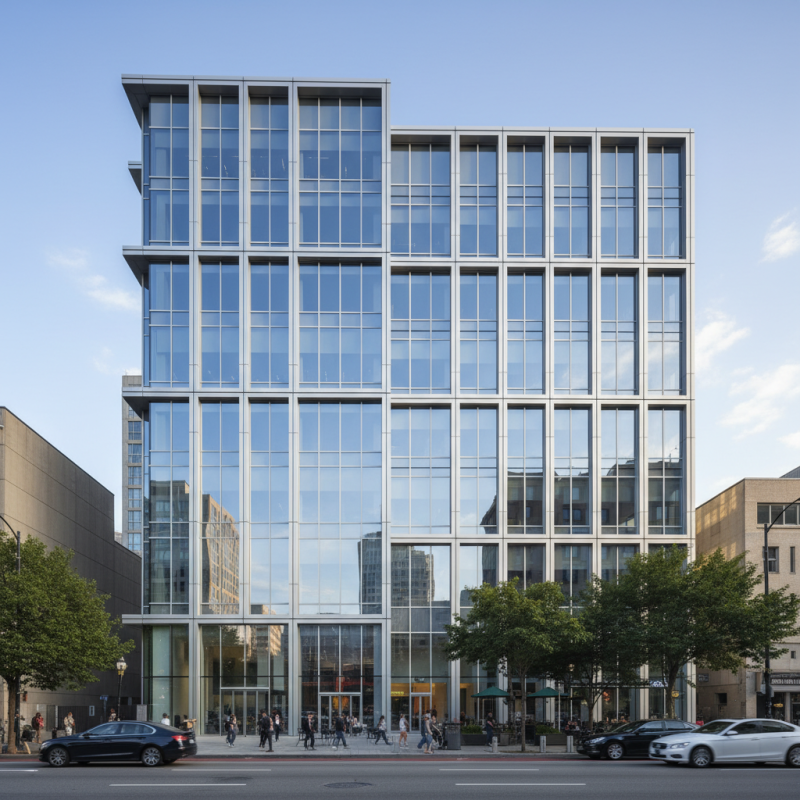
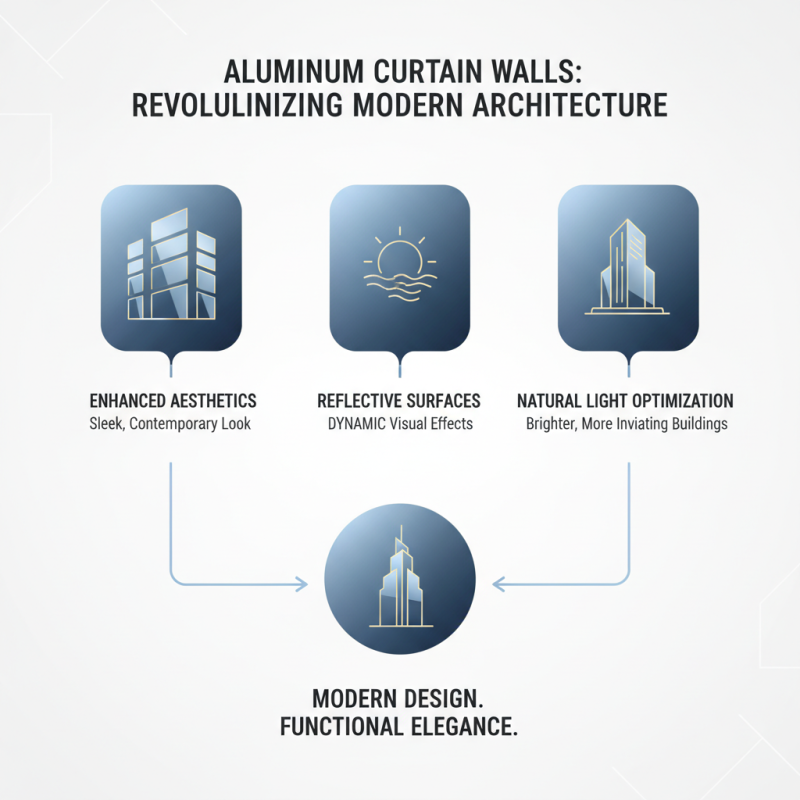
Aluminum curtain walls have revolutionized modern architecture by enhancing aesthetic appeal. These walls provide a sleek, contemporary look that meshes well with various architectural styles. Their reflective surfaces can create stunning visual effects, adding depth and character to a building's façade. This reflects natural light beautifully, making buildings appear more vibrant and inviting.

Incorporating aluminum curtain walls allows for expansive glass panels that offer panoramic views. The design flexibility enables architects to play with shapes and angles. However, some might argue that this can lead to an overly cold look if not balanced with other materials. It's essential to consider integrating warmer elements to soften the starkness. Additionally, while the benefits are evident, maintenance of these walls can pose challenges. Dirt and grime may accumulate more noticeably, requiring regular cleaning to maintain their shine. Balancing aesthetics with practicality is crucial.

Energy Efficiency of Aluminum Curtain Walls in Modern Buildings

Aluminum curtain walls play a significant role in modern architecture, particularly in energy efficiency. These walls consist of lightweight aluminum frames that support large glass panels. They allow natural light to flood the interiors, reducing the need for artificial lighting. This quality not only brightens spaces but also lowers electricity consumption.

Tips: Consider using high-efficiency glazing. It can significantly improve insulation. Proper installation is key to maximizing energy savings. Even small gaps can lead to loss of heat.

Moreover, aluminum curtain walls can help regulate indoor temperatures. The materials reflect heat in summer while retaining warmth in winter. This balance creates comfortable spaces year-round. However, maintaining these systems can be challenging. Weather conditions may lead to wear and tear. Regular inspections are essential to ensure optimal performance.

Tips: Schedule routine maintenance checks. Look out for signs of water leakage or frame damage. Early detection can prevent costly repairs. Stay proactive in managing these structures to enhance their lifespan.

Durability and Low Maintenance of Aluminum in Architectural Design

Aluminum curtain walls are gaining popularity in modern architecture. Their durability makes them an excellent choice for exterior applications. Unlike other materials, aluminum resists corrosion and withstands weather extremes. This ensures longevity, reducing the need for replacements. Furthermore, the lightweight nature of aluminum allows for easier installation. It can also support large expanses of glass for enhanced aesthetics.

Low maintenance is a significant advantage of aluminum in architectural design. A simple cleaning routine maintains its appearance. Unlike wood or steel, aluminum does not warp or rust. This means less time and money spent on repairs. The finish on aluminum can last for years, resisting fading and chipping. However, a lack of awareness about proper maintenance could lead to premature degradation. Architects must educate clients on care practices.

While aluminum offers numerous benefits, it is essential to consider potential drawbacks. It can conduct heat, leading to thermal bridging. This means that in some climates, additional insulation might be necessary. Understanding these aspects is crucial during the design phase. Balancing aesthetics, functionality, and sustainability is a challenge that architects face.

Thermal Insulation Properties of Aluminum Curtain Walls

Aluminum curtain walls offer remarkable thermal insulation, enhancing energy efficiency in modern architecture. These walls act as a barrier against temperature fluctuations. They keep buildings cooler in summer and warmer in winter. This means reduced energy costs. The lightweight nature of aluminum makes it easy to install. However, some might overlook the importance of proper installation. A poorly sealed wall can lead to air leaks, undermining insulation properties.

Another significant aspect is condensation management. Aluminum can attract moisture if not designed effectively. This could result in mold or structural damage over time. Therefore, architects must prioritize drainage solutions when implementing these systems. Selecting the right type of glass can also enhance performance. Low-emissivity coatings can help regulate heat transfer. However, it's crucial to balance aesthetics and functionality.

While aluminum curtain walls are eco-friendly, they are not without challenges. They require regular maintenance to preserve their performance and appearance. If neglected, corrosion can occur. This poses a long-term risk to buildings. Engaging in an ongoing dialogue about these aspects can drive innovation. Finding solutions is essential for maximizing the benefits of aluminum in architecture.

Sustainability and Eco-Friendliness of Aluminum Curtain Wall Systems

Aluminum curtain walls have gained popularity due to their strong sustainability credentials. These systems are lightweight, yet sturdy, making them ideal for modern architecture. According to a report by the U.S. Department of Energy, buildings account for nearly 40% of U.S. energy consumption. Using aluminum curtain walls can significantly reduce this footprint. They enhance insulation, lowering energy costs over time.

Moreover, aluminum is 100% recyclable. This makes it a preferable choice for eco-conscious designs. The Recycling Aluminum Association estimates that recycling one ton of aluminum saves up to 8 tons of bauxite ore. Such recycling practices minimize waste and preserve resources. Despite these benefits, the production of aluminum does require significant energy. This is where we need to reflect on the sustainability of our choices.

Furthermore, advancements in technology allow for better thermal performance in aluminum systems. However, some may argue that this does not fully negate the environmental impact of manufacturing. It's essential to weigh these considerations carefully. Architects and builders face tough questions about balancing aesthetic appeal with environmental responsibility. While the benefits are clear, they come with complexities that warrant deeper thought.