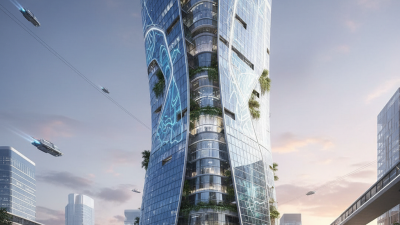
The aluminum curtain wall system has gained significant popularity among global buyers. This system offers a perfect blend of aesthetics, durability, and energy efficiency. As cities grow, architectural designs evolve. Buyers seek solutions that not only enhance a building’s appearance but also meet functional needs.
Aluminum curtain wall systems excel in providing lightweight yet robust structures. They can withstand harsh weather conditions while offering flexibility in design. Innovative materials make these systems energy-efficient. This aspect attracts buyers aiming for sustainable building practices. Moreover, the range of finishes available allows for unique architectural expressions.
Despite their many benefits, some challenges exist. Not all manufacturers guarantee the same level of quality. Potential buyers must conduct thorough research. Authentic reviews and certifications are essential. This diligence ensures that the chosen aluminum curtain wall system meets specific project demands efficiently. Understanding these factors can empower buyers in their decision-making process.
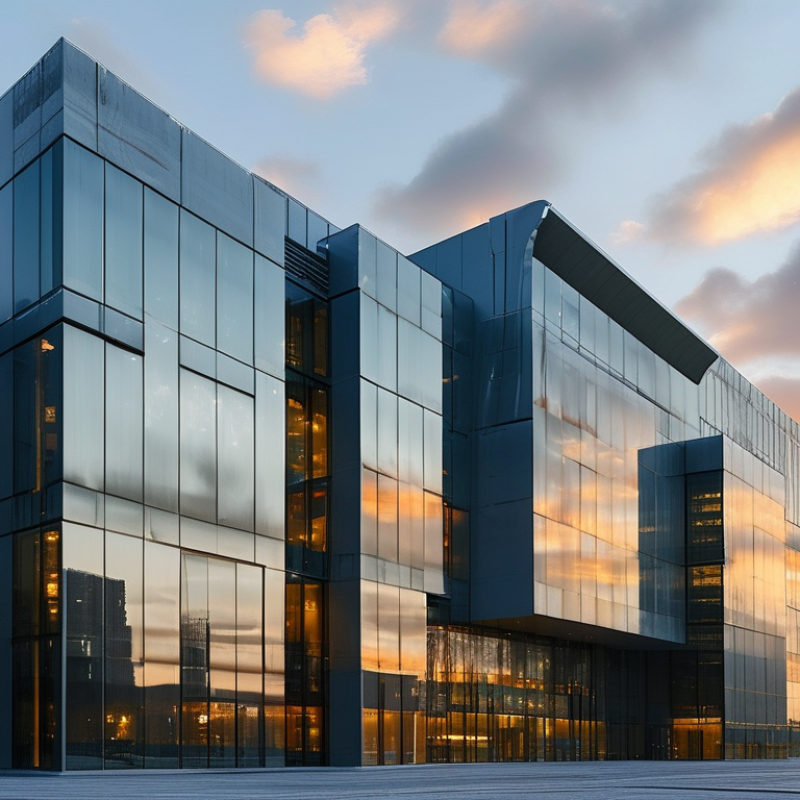
Aluminum curtain wall systems are becoming increasingly popular among global buyers. One of their main advantages is their lightweight nature. This makes them easy to install, reducing labor costs and project timelines. The durability of aluminum also ensures that these systems resist corrosion and require minimal maintenance over time. This can be particularly appealing for buyers aiming for longevity in their constructions.
Another significant benefit is energy efficiency. Aluminum curtain walls can be designed with thermal breaks that minimize heat transfer. This helps in reducing energy consumption, leading to lower utility bills. Proper insulation is critical in achieving desired energy performance. Buyers should prioritize this aspect when selecting systems.
Design flexibility is another key advantage. Aluminum curtain walls can be tailored to fit various architectural styles. They can accommodate large glass panels, allowing for expansive views and natural light. However, not all designs are equally effective. Some may struggle with structural integrity under adverse weather conditions. It’s essential for buyers to be discerning and carefully evaluate design options for safety and efficiency.
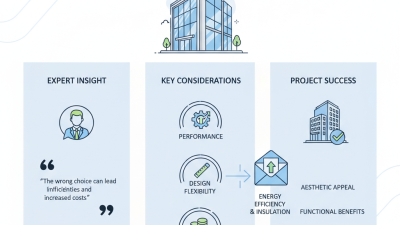
Aluminum curtain wall systems are increasingly favored for their durability and low maintenance features. According to a report from the Aluminum Association, aluminum's lifespan can exceed 50 years. This durability significantly reduces the need for frequent replacements compared to other materials. In regions with harsh weather, such as heavy rain or intense sunlight, aluminum proves resilient. Its ability to withstand such conditions makes it an attractive option for global buyers.
Maintenance is often a concern for building owners. Fortunately, aluminum curtain walls require minimal upkeep. A study by the National Institute of Standards and Technology (NIST) indicates that proper cleaning and inspection can extend their lifespan and performance. Cleaning can typically be done with soap and water, making it simple and cost-effective. Despite these advantages, it’s essential to acknowledge that neglecting maintenance can lead to deterioration. Some installation challenges also exist, which can lead to potential leaks if not expertly handled.
Incorporating energy-efficient glazing enhances the benefits of aluminum curtain walls. Reports show that these systems can improve insulation and reduce energy costs. As energy efficiency becomes a priority, building owners increasingly consider these systems. However, careful evaluation of the local climate and installation practices remains crucial for maximizing performance.
Aluminum curtain wall systems are gaining traction among global buyers for their energy efficiency and sustainability benefits. These systems effectively insulate buildings, reducing energy consumption. By minimizing heat loss in winter and keeping interiors cool in summer, they lower reliance on heating and cooling systems. This translates to significant cost savings over time. Proper design and installation can optimize these advantages, but not all projects may achieve ideal results.
Sustainability is at the core of manufacturer choices in aluminum curtain walls. The material is recyclable and has a long lifespan, which reduces waste. Additionally, technological advancements allow for coatings that enhance energy performance. However, there are challenges. Not every manufacturer uses the most efficient processes or eco-friendly coatings. It is essential for buyers to carefully assess their options. Effective research can reveal which systems align with sustainability goals.
The integration of aluminum curtain wall systems in design helps in meeting modern architectural demands. Natural light filters in without compromising energy efficiency. Still, potential issues may arise from improper installation or material degradation over time. Buyers should remain vigilant and seek expert advice. This ensures they invest in systems that provide genuine energy savings and uphold sustainability standards.
Aluminum curtain wall systems are increasingly favored for their aesthetic versatility. These systems can adapt to a variety of architectural styles, from sleek modern designs to classic facades. According to a report by MarketsandMarkets, the global curtain wall market is projected to reach USD 41.18 billion by 2026. This growth reflects a rising demand for customizable options in building design.
The aesthetics of aluminum curtain walls are striking. They offer unparalleled flexibility in color and finish. A building can easily stand out with unique hues or polished surfaces. Industry studies indicate that buildings with innovative facades can achieve a 19% premium in market value. However, there can be challenges. Ensuring that design choices meet local building codes is essential. This can add layers of complexity to projects.
Architects find that aluminum systems allow for expansive glass panels, enhancing natural light. However, this can lead to thermal inefficiencies if not properly addressed. Balancing style with energy performance is vital. A thoughtful approach ensures that visual appeal does not compromise functionality. As trends evolve, continuous improvement in design and materials is necessary to meet emerging aesthetic and environmental standards.
Aluminum curtain wall systems are increasingly recognized for their cost-effectiveness in global projects. According to a recent report from the Market Research Future, the global aluminum facade market is expected to reach over $84 billion by 2027, highlighting its growing demand. This growth is largely attributed to the material's favorable cost-performance ratio. Aluminum curtain walls are lightweight but robust, providing both aesthetic appeal and structural integrity.
Moreover, the low maintenance requirements of aluminum systems significantly cut down long-term expenses. Research shows that buildings utilizing aluminum curtain wall systems can save over 30% on maintenance costs compared to other materials. Additionally, the ease of installation reduces labor costs, making them a practical choice for large-scale projects. This efficiency aligns with the growing trend towards sustainable building practices, where cost savings can also lessen environmental impact.
However, challenges exist. The energy efficiency of aluminum curtain walls can sometimes be improved. Unoptimized thermal performance may lead to higher energy bills. Architectural firms and project managers must collaborate closely to ensure these systems are designed with energy-saving features in mind. Balancing aesthetics and functionality remains essential for success.
| Dimension | Value |
|---|---|
| Material Cost (per square meter) | $50 |
| Installation Cost (per square meter) | $30 |
| Average Lifespan (years) | 40 |
| Energy Efficiency Rating | U-Value: 0.25 W/m²K |
| Return on Investment (ROI, %) | 20% |
| Weight (per square meter) | 20 kg |
| Environmental Impact Rating | LEED Certified |