What is an Aluminum Curtain Wall? Benefits, Types, and Applications Explained

An aluminum curtain wall is an innovative architectural feature that has gained significant popularity in modern building design. This exterior cladding system consists of lightweight aluminum frames filled with glass or other materials, creating a sleek and visually appealing façade. Not only does it enhance the aesthetic appeal of a structure, but it also plays a crucial role in energy efficiency and weather resistance. The increasing trend toward sustainable building practices has propelled the use of aluminum curtain walls, as they provide better insulation and allow for natural light while minimizing energy consumption.

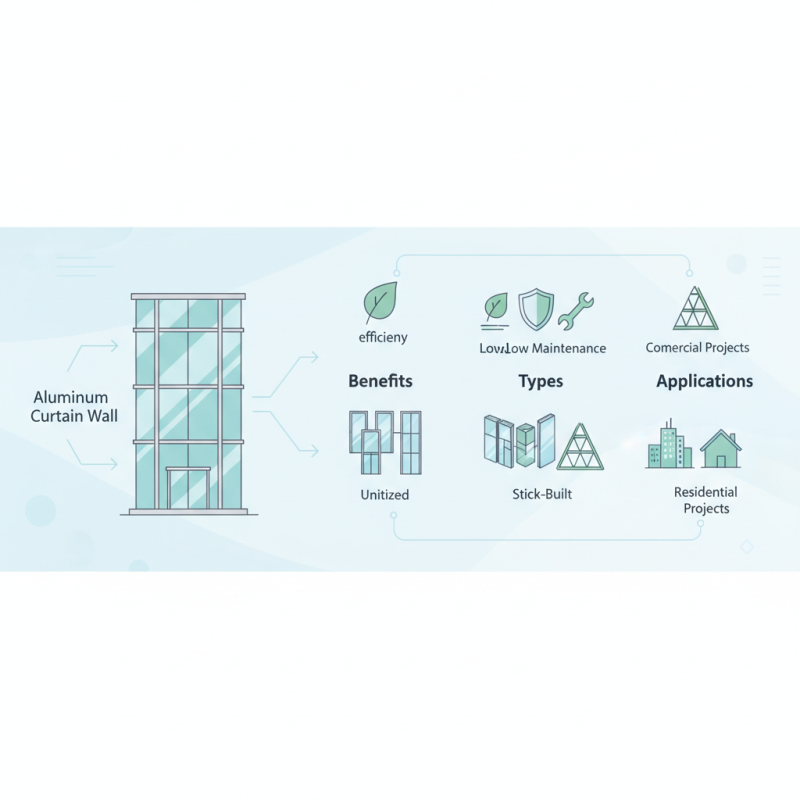
The benefits of aluminum curtain walls extend beyond their visual impact. These systems offer durability, flexibility, and low maintenance requirements, making them a preferred choice for commercial and residential projects alike. Various types of aluminum curtain walls, such as unitized, stick-built, and truss-based systems, cater to different architectural needs and preferences. This adaptability ensures that aluminum curtain walls can be customized to fit diverse design specifications while maintaining structural integrity.

In this article, we will explore the myriad advantages of aluminum curtain walls, delve into the different types available, and examine their applications in contemporary architecture. By understanding the significance of this building element, architects, builders, and property developers can make informed decisions that enhance the overall performance and appearance of their projects.
What is an Aluminum Curtain Wall? Benefits, Types, and Applications Explained

What is an Aluminum Curtain Wall?

What is an Aluminum Curtain Wall? Benefits, Types, and Applications Explained

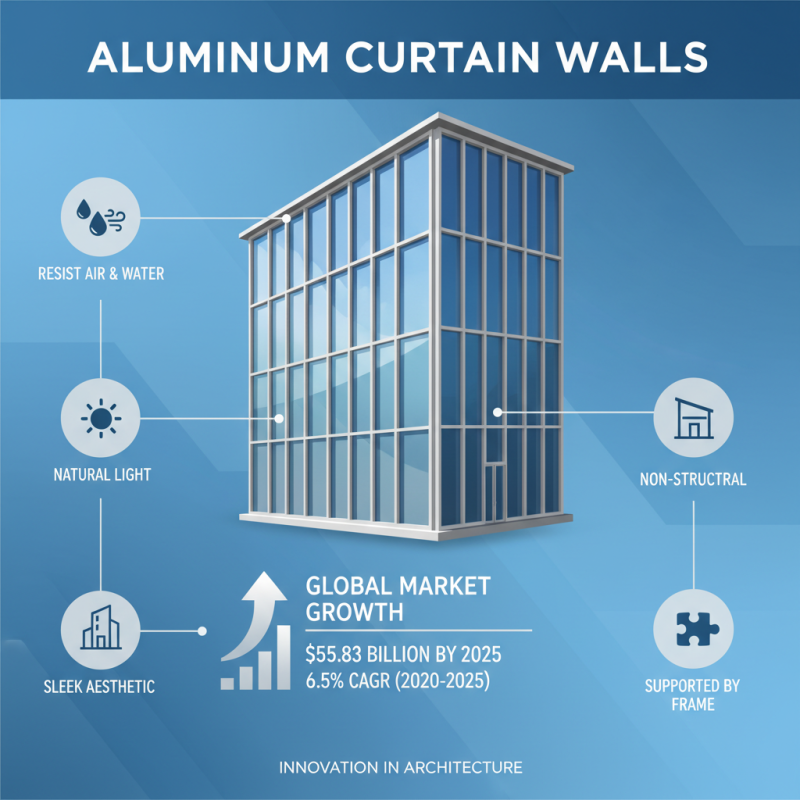
An aluminum curtain wall is a non-structural outer covering of a building that is designed to resist air and water infiltration, while also providing natural light and a sleek aesthetic. Unlike traditional walls that bear the building’s weight, the curtain wall system can be supported by the structure's frame, allowing architects to create visually stunning facades without compromising structural integrity. This innovation has gained increasing acceptance over the past few decades; according to a report by MarketsandMarkets, the global market for curtain wall systems is projected to reach $55.83 billion by 2025, growing at a CAGR of 6.5% from 2020.

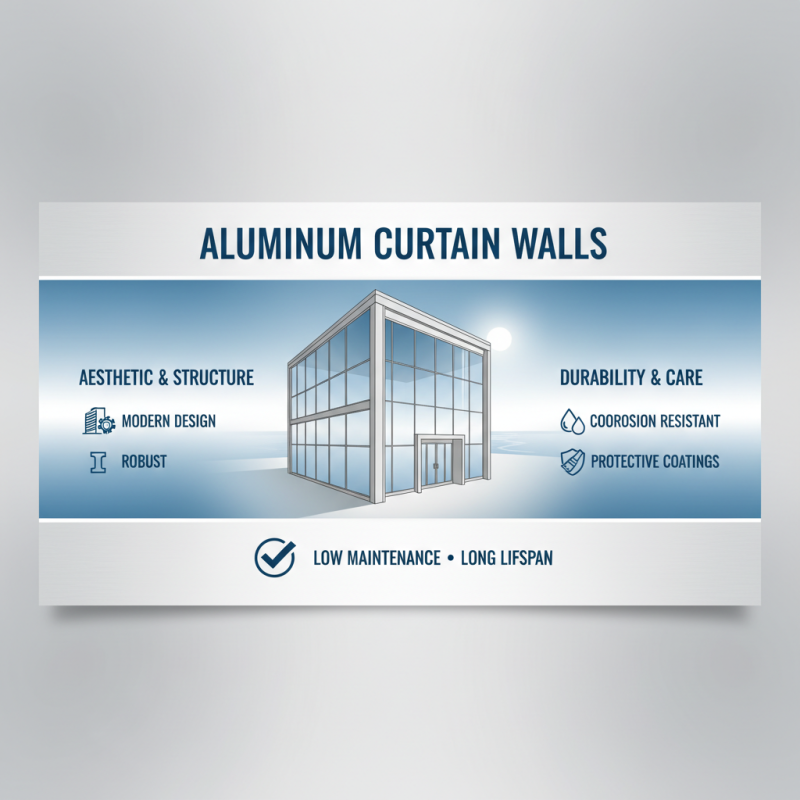
The primary advantage of aluminum curtain walls lies in their lightweight nature coupled with high durability, which makes them a preferred choice for many architects. Aluminum offers resistance to corrosion and weathering, significantly reducing maintenance costs over the lifespan of the building. Furthermore, these systems can be designed to meet rigorous thermal performance standards, contributing to energy efficiency. A study published in the Journal of Architectural Engineering indicated that buildings with optimized curtain wall systems can achieve energy savings of up to 25% compared to conventional designs, making them a popular option for sustainable construction and LEED certification.
Key Benefits of Aluminum Curtain Walls in Construction

Aluminum curtain walls have become a prominent feature in modern architectural designs due to their exceptional benefits. One of the primary advantages is their lightweight yet durable nature, which allows for enhanced performance without compromising structural integrity. According to a report by the National Institute of Building Sciences, utilizing aluminum curtain walls can improve energy efficiency by 30% compared to traditional wall systems. This energy efficiency is attributed to their ability to incorporate insulation and advanced glazing, which reduce heat loss and minimize energy consumption in buildings.

Additionally, aluminum curtain walls offer significant aesthetic flexibility while being environmentally friendly. The material can be easily molded into various shapes and finishes to meet diverse design requirements, making them suitable for both commercial and residential constructions. A study published by the U.S. Green Building Council highlights that buildings with aluminum curtain wall systems can contribute to LEED certification by promoting sustainable building practices. Furthermore, the durability of aluminum ensures a longer lifespan with less maintenance, translating into lower lifecycle costs for building owners.

The ease of installation is another critical benefit. A report from the American Institute of Architects indicates that aluminum curtain walls can be prefabricated and installed with relative speed, significantly reducing construction time. This efficiency not only helps in meeting tight project deadlines but also minimizes labor costs. As a result, aluminum curtain walls not only enhance the visual appeal of a building but also contribute to the overall efficiency and sustainability of the construction process.

Different Types of Aluminum Curtain Walls Explained

Aluminum curtain walls are structural systems that provide a non-structural external facade for buildings. They are classified into several types based on their design and installation methods. The most common types include stick-built systems, unitized systems, and semi-unitized systems. Stick-built systems are assembled on-site, allowing for flexibility in design and the ability to adapt to specific site conditions. However, they require more time for construction and can be susceptible to weather conditions during installation.

Unitized systems, on the other hand, are pre-fabricated in a factory and delivered to the construction site as large panels. This approach significantly reduces installation time and enhances quality control since components are built in a controlled environment. Semi-unitized systems combine elements of both stick-built and unitized approaches, allowing for quicker installation while still offering some flexibility in designs. Each type comes with its own set of advantages and applications, making aluminum curtain walls a popular choice for modern architectural designs.

Common Applications of Aluminum Curtain Walls in Architecture

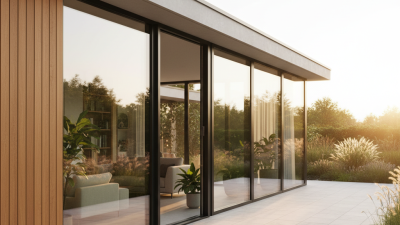
Aluminum curtain walls have become a prominent feature in modern architectural designs, valued for their aesthetic appeal and functional advantages. These non-structural cladding systems are commonly employed in commercial high-rises, office buildings, and shopping complexes, providing an excellent balance between durability and elegance. According to industry reports, the global aluminum curtain wall market was valued at approximately $38 billion in 2021 and is projected to grow at a CAGR of around 5% through 2028, highlighting the increasing demand for innovative designs that enhance building performance.

One of the primary applications of aluminum curtain walls is in the development of energy-efficient buildings. With the ability to incorporate high-performing insulating glass and advanced framing systems, these walls contribute significantly to thermal regulation and energy savings. Studies indicate that buildings equipped with aluminum curtain walls can achieve up to a 30% reduction in energy consumption, making them an attractive option for architects aiming to meet LEED certification requirements. Additionally, their lightweight nature allows for flexible design configurations, enabling architects to create dynamic facades that reflect modern trends in sustainability and urban aesthetics.

Furthermore, aluminum curtain walls are commonly used in institutional buildings such as schools and hospitals, where the need for natural light and open spaces is paramount. High transparency and structural performance make them ideal for creating inviting environments that enhance occupants' well-being. Reports suggest that buildings utilizing aluminum curtain walls benefit from increased occupant satisfaction rates, further establishing their role as a staple in contemporary architectural practices.

What is an Aluminum Curtain Wall? Benefits, Types, and Applications Explained

Dimension Data
Material Aluminum
Weight 4-6 kg per square meter
Thermal Conductivity 150-170 W/m·K
Fire Resistance Class A
Typical Lifespan 30-40 years
Common Finishes Anodized, Painted, Powder-coated
Applications Commercial buildings, High-rise offices, Shopping malls, Airports
Advantages Lightweight, Aesthetic appeal, Energy-efficient, Low maintenance

Maintenance and Durability of Aluminum Curtain Walls

What is an Aluminum Curtain Wall? Benefits, Types, and Applications Explained

Aluminum curtain walls are popular in modern architecture due to their aesthetic appeal and structural advantages. However, the maintenance and durability of these systems are critical considerations for building owners and designers alike. One of the primary benefits of aluminum curtain walls is their resistance to corrosion, which makes them suitable for a wide range of environments, including coastal areas where salt exposure can be a concern. Additionally, these walls often come with protective coatings that enhance their longevity and minimize maintenance needs.

Regular inspections and cleaning are essential to ensure the longevity of aluminum curtain walls. Accumulation of dirt, debris, and pollutants can affect their appearance and performance over time. Simple cleaning routines, using non-abrasive solutions to avoid damaging the surface, can significantly extend their life span. Moreover, seals and gaskets should be checked periodically to maintain water and air tightness, preventing potential damage caused by leaks. Overall, with proper maintenance, aluminum curtain walls can offer durability and a prolonged lifespan, making them a sustainable choice for contemporary buildings.