2026 Best Fire Resistant Doors for Global Buyers
In 2026, global buyers face a crowded market for fire resistant doors, with products designed for homes, offices, hotels, and industrial spaces. The “best” option is not always the one with the highest rating or the most polished finish. It is the door assembly that suits the building, local requirements, expected use, and available installation support. Requirements and test methods can vary by market, so buyers should verify which documentation applies to their project.
This guide compares key factors, including tested fire ratings, core and frame materials, smoke seals, hinges, latching hardware, and door closers. A neat label is not enough. Ask for current test reports or certification details, and confirm that the frame and hardware match the tested assembly. Installation matters. A small gap, poorly fitted seal, or misaligned closer can affect how the door performs. Supplier reliability and after-sales service also deserve attention, especially when replacement parts must cross borders. No shortlist can remove every uncertainty. Product information may be incomplete, and a showroom sample may not reflect site conditions. Use the comparisons as a starting point, then check project documents and local guidance before selecting a door.
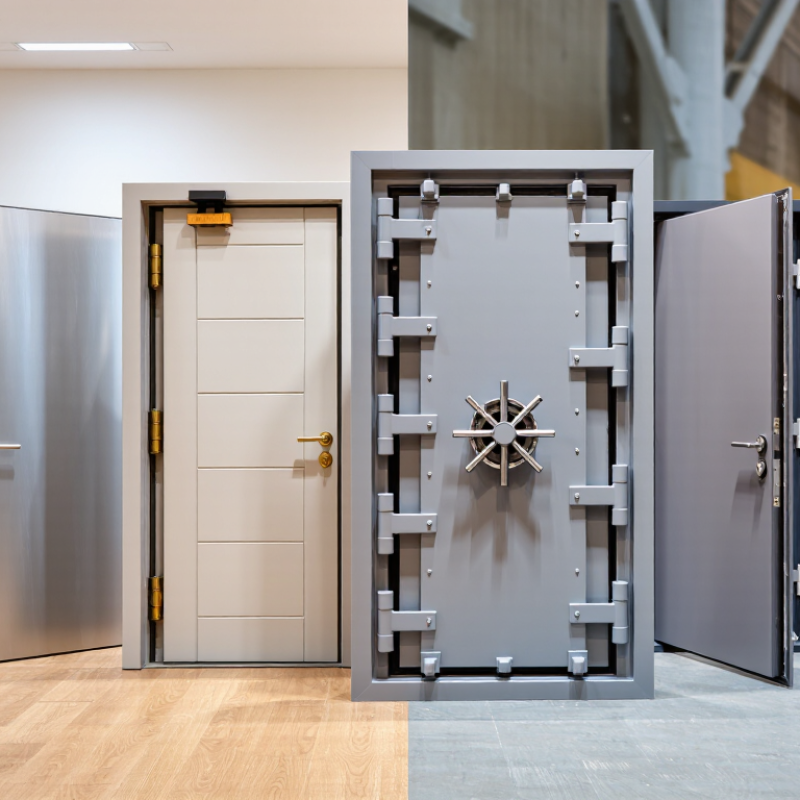
Fire-Resistant Doors: Purpose, Ratings, and How They Work
Fire-Resistant Doors: Purpose, Ratings, and How They Work
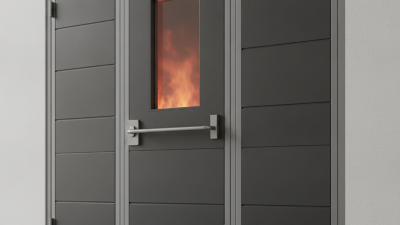
A fire-resistant door is part of a tested assembly: door leaf, frame, seals, and hardware must work together. It slows fire and heat from moving between spaces, giving people more time to leave and helping protect escape routes. It is not fireproof. In 2023, U.S. fire departments responded to an estimated 1.39 million fires, according to the National Fire Protection Association’s Fire Loss in the United States During 2023. That scale makes compartmentation more than a specification detail. Still, a rating on paper cannot compensate for a door wedged open or a damaged seal.
Ratings indicate how long an assembly withstands defined fire-test conditions, such as 30, 60, or 90 minutes. The exact test method and accepted labeling vary by market, so buyers should compare documentation against local project requirements. A higher number is not automatically the best choice; the opening’s location and the tested wall assembly matter. Smoke control also depends on suitable seals and correct installation. Real buildings are less tidy than test rooms.
Tips: Ask for the complete assembly’s test evidence, not just a door-leaf certificate. Check labels, frame compatibility, latches, and perimeter gaps during installation and routine inspections. A few millimeters can matter. NFPA 80 provides inspection and maintenance guidance, but site conditions deserve careful review.
Global Fire Door Standards and Certification Requirements
Fire-door requirements are not universal. A rating accepted in one market may not satisfy another authority’s rules. In Europe, doorsets are commonly tested under EN 1634-1 and classified under EN 13501-2. North American projects may reference NFPA 252 or ASTM E2074. Check the destination country’s current code before comparing ratings.
A fire rating applies to a tested assembly, not just the door leaf. The frame, glazing, seals, hinges, latch, and closer can all affect performance. Confirm that the certificate covers the exact configuration being supplied, including its fire-resistance duration and any smoke-control requirement. The details matter. A familiar label is not enough if the listed size or hardware differs from the installed unit.
Ask for current test reports, certification records, product identification, and installation instructions. Then check that local approval accepts the stated test method and certification route. Keep records that link each door to its certificate and installation location. Even experienced buyers can overlook small changes, such as replacing a closer during renovation. Paperwork can look convincing. It still needs careful checking.
Door Types, Materials, and Performance Features
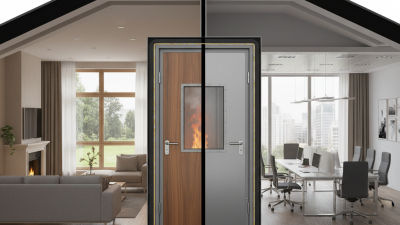
Fire-resistant doors are not one product category. Steel doors suit demanding corridors and service rooms, while tested timber assemblies can offer a warmer finish in offices and hotels. Glazed doors preserve visibility, but their glass, frame, seals, and hardware must belong to the tested assembly. A door leaf alone tells little. Details matter.
For global buyers, compare the complete assembly’s fire rating, smoke-control performance, self-closing action, and latching—not material names alone. Ratings commonly range from 20 to 180 minutes, but acceptance depends on local building codes and the specific test listing. NFPA 80 calls for fire-door inspections at least annually in applicable settings; damaged seals or a door that will not latch can undermine performance. Still, paperwork can look reassuring while installation tells another story.
The risk context is real. NFPA’s “Fire Loss in the United States During 2023” estimated 1.389 million fires and 3,670 civilian fire deaths. That report does not measure door effectiveness, but it underscores why compartmentation deserves careful review. Check labels, frame compatibility, clearances, hinges, and closing speed on site. I would question any specification that names a rating but omits the tested configuration. A small gap can matter.
How to Compare Fire-Resistant Doors for Different Buildings
2026 Best Fire Resistant Doors for Global Buyers
Comparing fire-resistant doors starts with the building, not the catalog. A hotel corridor needs reliable compartmentation and frequent-use hardware; a school may need durable surfaces that withstand daily impacts. In a warehouse, opening size, traffic, and nearby fire hazards can change the practical choice. NFPA’s 2023 U.S. fire-loss report estimated 1.39 million fires and 3,670 civilian fire deaths. These figures are U.S.-specific, but they underline why door performance deserves careful review. Fit matters.
Compare the complete door assembly, not just the leaf. Check the tested fire rating, frame compatibility, glazing, hinges, latch, closer, and smoke seals. Ratings and permitted configurations vary by location and wall type, so confirm local requirements with a qualified building professional. Also consider how the door will be used: a heavy closer may be difficult for some occupants, while a busy doorway needs hardware built for repeated cycles. A strong specification can still fail in practice if installation or maintenance is overlooked.
Tips: Ask for test documentation for the exact assembly and inspect the label. Measure openings on site, including frame depth and floor clearance. Check seals and closing action during routine maintenance. One detail is easy to miss: a door that is often propped open cannot provide its intended protection. Fire doors are not a substitute for an overall fire-safety plan.
2026 Best Fire-Resistant Doors for Global Buyers
Common fire-door resistance ratings by nominal duration
Fire doors are tested and rated as part of an assembly. The required rating depends on the building’s use, location, fire-barrier rating, and applicable local code. Confirm the approved door, frame, glazing, and hardware requirements with the relevant authority.
Selection, Installation, Inspection, and Maintenance for Global Buyers
For global buyers, a fire door is a tested assembly, not just a heavy leaf. Check the required fire-resistance rating, test standard, frame, hardware, seals, and glazing as one compatible package. A certificate for the door leaf alone may not cover the installed assembly. Confirm documentation with the supplier and a qualified local professional, since requirements vary by market and building type.
Installation matters. The frame must be secure and square, with gaps kept within the assembly’s tested limits. The door should close and latch without sticking. Small details count. NFPA’s Fire Loss in the United States During 2023 estimated 1.389 million fires and US$23.2 billion in direct property damage. These figures describe US fire losses, not the performance of fire doors, but they show why dependable protection deserves careful attention.
Inspection and maintenance keep that protection usable. NFPA 80 calls for annual fire-door inspections where its requirements apply; local rules may differ. Inspectors should check labels, hinges, seals, glazing, clearances, closing, and latching. Record defects and repairs. Replace damaged seals or hardware with compatible components, and never prop a rated door open. A label can be easy to miss. That deserves a second look. even a well-selected door can fail its purpose if installation or upkeep is overlooked.