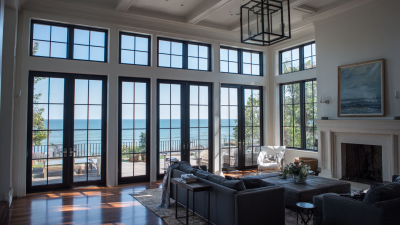
The design and innovation landscape of doors and windows is constantly evolving, reflecting both technological advancements and shifts in consumer preferences. As we look ahead to 2025, experts in the industry are predicting significant trends that will reshape how we think about these essential architectural elements. According to renowned architect and doors and windows specialist, Dr. Emily Thompson, "The future of doors and windows lies in their ability to merge functionality with aesthetic appeal, creating seamless transitions between the interior and exterior spaces."
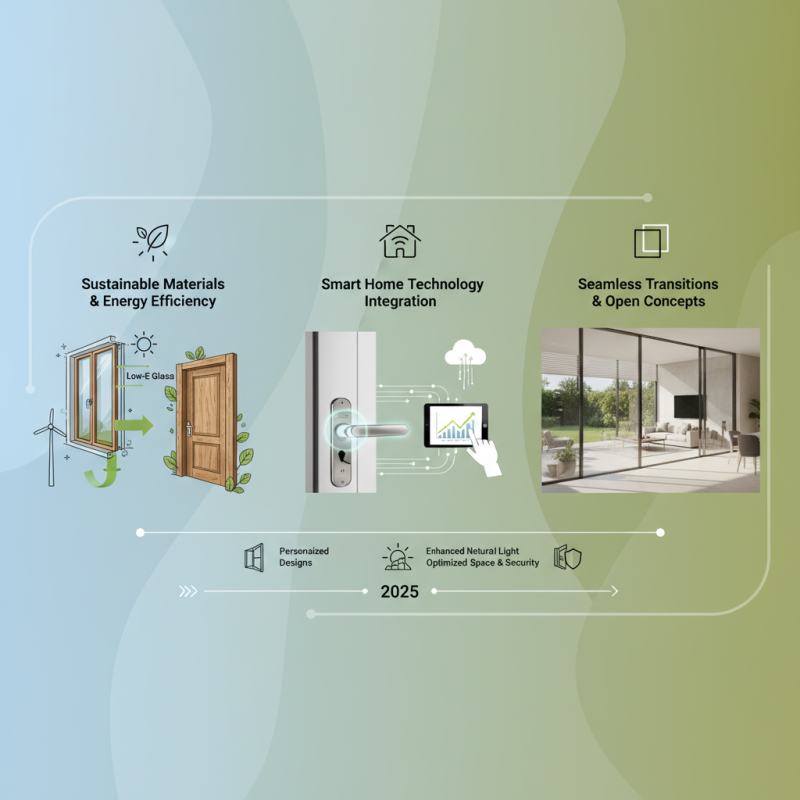
In the coming years, we anticipate an increase in demand for sustainable materials and smart home technology integration within the doors and windows sector. Homeowners and builders alike are becoming more conscious of energy efficiency and environmental impact, which is driving innovation. Furthermore, with the rise of open concept layouts, doors and windows will play a pivotal role in enhancing natural light and optimizing space within homes.
As we delve deeper into the top trends for 2025, it becomes clear that the industry is moving towards more personalized designs, focusing on individuality and the homeowners' lifestyle. This shift not only influences the aesthetic aspects but also the functionality and security features related to doors and windows, heralding a new era of innovation that caters to contemporary living needs.
As we approach 2025, the door and window manufacturing industry is set to undergo significant transformations, driven by emerging materials that promise enhanced durability, sustainability, and aesthetic appeal. Manufacturers are increasingly embracing innovative alternatives such as fiberglass, recycled aluminum, and engineered wood. These materials not only offer exceptional thermal performance and resistance to weathering but also contribute to a lower carbon footprint, aligning with global sustainability goals.
When considering new materials for your home, it’s crucial to evaluate their energy efficiency ratings and maintenance requirements. For instance, fiberglass doors are renowned for their insulating properties while requiring less upkeep compared to traditional wood. Additionally, opting for recycled materials can significantly reduce your environmental impact while still providing a stylish and durable solution.
Tips: Always ensure that the materials you select comply with local building codes and regulations. Consulting with professionals can help ensure that your choices enhance both the aesthetic value and functionality of your space. Embracing these trends not only prepares your home for the future but can also increase its value in the competitive real estate market.
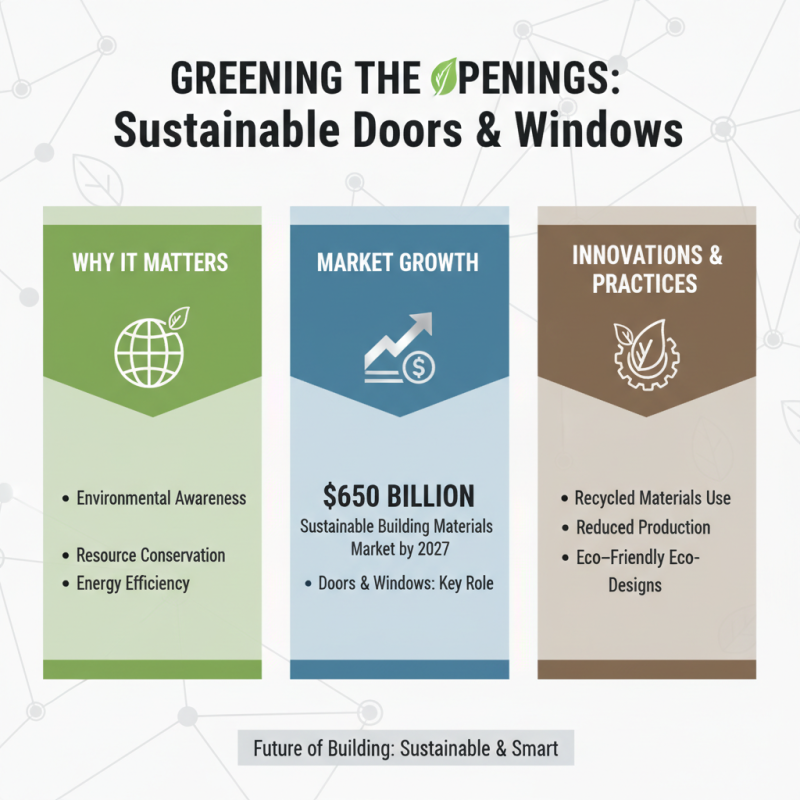
Sustainable design is becoming a cornerstone of the doors and windows industry as global awareness of environmental issues continues to grow. Innovations are focusing on energy efficiency, resource conservation, and the use of sustainable materials. Reports indicate that the sustainable building materials market is projected to reach $650 billion by 2027, with doors and windows playing a significant role in this transformation. Manufacturers are adopting techniques such as utilizing recycled materials and reducing energy consumption during production to align with these trends.
Tips for embracing sustainable design include selecting windows with high Energy Star ratings, which can reduce heating and cooling costs by 12-20%, and optimizing insulation with low-emissivity (low-E) coatings. For doors, consider options made from reclaimed wood or bamboo, both of which offer durability and a lower environmental impact. Using local materials reduces transportation emissions, further enhancing sustainability efforts.
In addition, smart technology integration is paving the way for innovations in energy-efficient windows and doors. These advancements not only minimize carbon footprints but also enhance user comfort through automated control systems and improved thermal performance. By choosing products that incorporate such technologies, consumers can significantly contribute to a sustainable future while enjoying the benefits of modern design.
As we look ahead to 2025, the integration of smart technology in doors and windows is set to revolutionize the way we experience our homes and buildings. Intelligent locking systems, automated blinds, and energy-efficient windows are just a few innovations on the horizon. These advancements not only provide enhanced security but also improve energy management, allowing homeowners to monitor and control their environment remotely. Imagine being able to adjust your window shades via a smartphone app or enabling your doors to lock automatically as you leave your home.
**Tips for Smart Technology Integration:**
When considering the installation of smart doors and windows, it's important to prioritize compatibility with existing home automation systems. Ensure that the technology you choose can seamlessly integrate with devices like smart speakers or security cameras. Additionally, think about the ease of use; user-friendly applications can make a significant difference in your daily routine.
Another aspect to consider is the security of your smart devices. Opt for products that offer robust encryption and two-factor authentication to protect against unauthorized access. Regularly updating software and firmware will also help mitigate any vulnerabilities. Keep in mind that while smart technology can greatly enhance convenience and safety, being proactive about security is crucial in enjoying the full benefits of these innovations.
| Trend | Description | Technology Type | Expected Impact |
|---|---|---|---|
| Smart Locks | Integration of keyless entry systems with mobile apps for enhanced security and convenience. | IoT | Improved home security and user accessibility. |
| Smart Windows | Windows that can adjust opacity and tint automatically based on sunlight and temperature. | Smart Glass Technology | Energy efficiency and improved indoor climate control. |
| Automated Blinds | Blinds that can be controlled via smartphone or voice assistants. | Home Automation | Convenience and enhanced privacy control. |
| Energy Monitoring Sensors | Sensors that monitor energy consumption and efficiency of doors and windows. | Energy Management | Cost savings and reduced environmental impact. |
| Voice-Activated Controls | Integration of voice technology to open or close doors and windows. | Smart Home Technology | Increased accessibility for all users. |
In 2025, the aesthetic landscape of door and window design is poised to transform, reflecting a harmonious blend of innovation and natural beauty. One prominent trend is the emphasis on sustainable materials, which elevate the visual appeal while aligning with environmental values. Designers are increasingly opting for organic materials that exhibit unique textures and finishes, such as responsibly sourced wood and recycled metal. These choices not only enhance the aesthetic quality but also tell a story of eco-consciousness that resonates with homeowners.
Another significant influence is the integration of smart technology within design aesthetics. Future doors and windows are projected to feature sleek, minimalist designs that seamlessly incorporate high-tech functionalities, such as smart locking mechanisms and energy-efficient glazing. This blend of form and function presents a modern look while catering to a tech-savvy clientele.
Additionally, the use of bold colors and innovative shapes is anticipated to make a statement, breaking away from traditional neutrals to invite vibrant expression into home exteriors. These trends reflect a broader shift towards personalization in design, where functionality meets artistic expression, creating captivating focal points in architectural spaces.
The demand for energy-efficient doors and windows is set to rise significantly by 2025, driven by growing environmental awareness and stringent regulations aimed at reducing carbon footprints. Future innovations in this sector are likely to focus on materials and designs that enhance thermal insulation and minimize energy loss. Advanced glazing technologies, such as triple-glazed windows with low-emissivity coatings, can dramatically reduce heat transfer, ensuring interiors remain comfortable with minimal energy consumption. Enhanced air sealing techniques will further improve the performance of doors and windows, preventing drafts and heat escape.
Moreover, smart technology integration is set to revolutionize how we view energy efficiency in doors and windows. Automated systems will monitor real-time energy usage and adjust window shading or ventilation based on external temperatures and sunlight exposure. This adaptability not only optimizes energy savings but also improves indoor comfort levels. As manufacturers increasingly embrace sustainability, we can expect a surge in the use of recycled materials and environmentally friendly production processes, paving the way for a future where energy-efficient doors and windows contribute significantly to greener buildings and reduced energy consumption worldwide.